
Agricultural Trade and Tariffs: Understanding the US-India Trade Negotiations and Russian Oil Implications
- Date & Time:
- |
- Views: 48
- |
- From: India News Bull
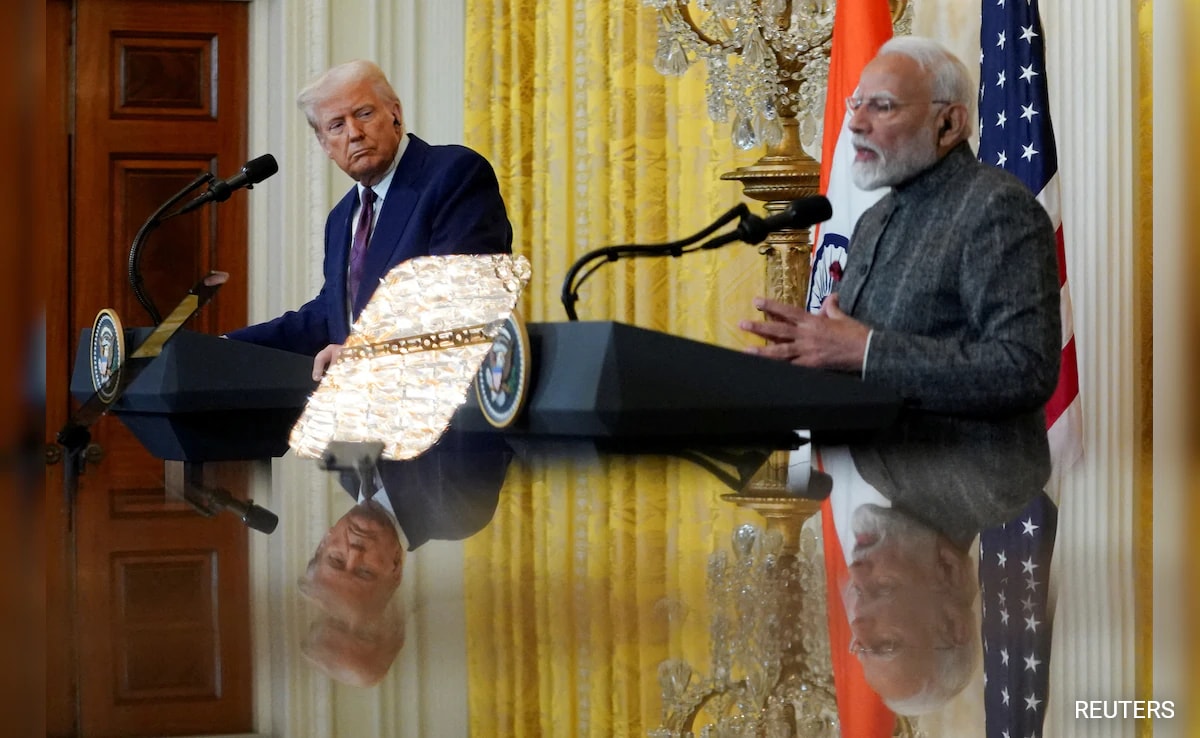
Prime Minister Narendra Modi and US President Donald Trump recently engaged in discussions primarily centered on trade relations, according to President Trump. During their conversation, PM Modi reportedly assured Trump that India would impose limitations on oil purchases from Russia.
Following the United States' decision to sanction Russia's leading oil producers on Wednesday, Indian refineries—which have been significant consumers of affordable Russian oil—indicated their plans to substantially reduce imports. This move could potentially eliminate a major obstacle to establishing a US-India trade agreement.
India is seeking a trade deal with the United States due to the severe 50% tariffs currently imposed on its exports to America. Half of these duties were specifically designed to penalize Russian oil purchases, creating significant pressure on crucial Indian industries including textiles, jewelry, seafood, leather, and engineering goods—sectors that provide employment to millions of workers.
Some reports indicate that the United States might reduce tariffs on Indian imports from 50% to approximately 15-16%, with the potential agreement likely focusing on energy and agricultural sectors.
In the ongoing negotiations, the United States is particularly interested in selling corn and soybeans to India. These agricultural products have become central points in the discussions.
India has been increasingly utilizing corn to enhance ethanol production. However, current Indian regulations prohibit the use of imported grains for ethanol manufacturing and ban genetically modified (GM) food crops. Most American corn is genetically modified, though some US farmers do cultivate non-GM varieties.
The United States is urging India to permit corn imports, contending that ethanol produced from US corn would be exclusively used for blending with gasoline and would not enter India's agricultural system.
The push to export corn, soybeans, and soymeal stems from the trade tensions between Washington and Beijing. Retaliatory tariffs imposed by both nations have made US soybeans cost-prohibitive for Chinese buyers, who have traditionally been the world's largest soybean importers.
To assist American soybean farmers dealing with excess inventory, Washington is eager to sell these oilseeds to India. Additionally, the Trump administration is pressuring India—home to the world's largest cattle population—to purchase American soymeal, a protein-rich animal feed product.
India has been reluctant to allow market access for American grains and dairy products, citing the necessity to safeguard the livelihoods of small-scale farmers. Nevertheless, trade and industry sources suggest India might consider permitting limited imports of corn and soymeal.
India's soybean industry has expressed opposition to imports of both American soybeans and soymeal, arguing that such imports would negatively impact domestic oilseed producers. They also maintain that India already possesses surplus stocks of animal feed.
Ethanol producers in India are resisting corn imports, asserting that any shipments of the grain would disrupt the entire ethanol supply chain, particularly since India's ethanol production capacity currently exceeds consumption demands.
With assembly elections approaching in Bihar, a major corn-producing eastern state, allowing US imports could potentially anger farmers, who represent an influential voting bloc in the region.
Source: https://www.ndtv.com/world-news/corn-soybeans-and-tariffs-the-new-us-india-trade-flashpoints-9509585