
Indian-American Scholar Ashley Tellis Released on Bond in Classified Document Retention Case
- Date & Time:
- |
- Views: 59
- |
- From: India News Bull
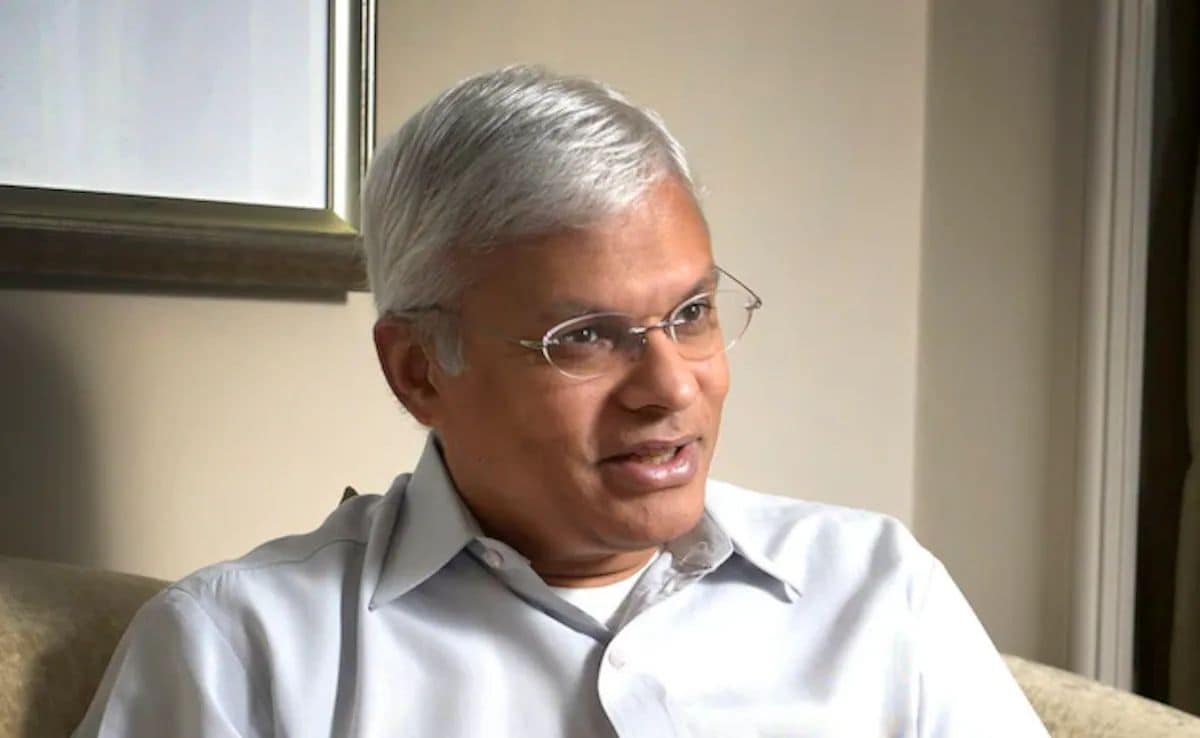
Tellis, a distinguished specialist in Indian and South Asian affairs, has been granted pre-trial release by a US court in an alleged espionage case. The 64-year-old Indian-American scholar's legal team has promised complete cooperation with authorities, emphasizing his career-long dedication to American national security interests.
With over two decades of experience in Washington's diplomatic circles and think tanks, Tellis was arrested after FBI agents discovered more than 1,000 pages of classified documents, designated as top-secret or secret, in his basement office at his Vienna, Virginia home.
Following his arrest, Tellis was charged with unlawfully retaining national defense information, an offense that carries a potential 10-year imprisonment sentence.
During his initial court appearance before a Virginia district judge, Tellis's defense team noted that he had been cooperative with investigators since his arrest. The court authorized his release from detention to home confinement on Tuesday.
Tellis currently serves as a senior fellow at the Carnegie Endowment for International Peace, where he focuses on international security, defense strategies, and Asian strategic matters. His impressive career includes senior positions during George W. Bush's administration and continued service as an unpaid State Department advisor.
At the hearing, his attorneys strongly contested the Justice Department's filing that implied Tellis might have disclosed classified US defense information to China. The defense maintained that the Justice Department had overreached in its case against a patriotic American whose "scholarly curiosity" rather than malicious intent had led to the accumulation of classified materials in his residence.
"Any suggestion that Dr. Tellis has shared classified information - particularly with a foreign government - has no evidential support," defense attorneys John Nassikas and Deborah Curtis stated in court documents, as reported by The Washington Post.
"Unfortunately, investigators misinterpreted his standard professional responsibilities, such as coordination work and international travel, as secretive activities, attributing sinister motives to what were routine think-tank and academic foreign policy engagements," they further explained, promising to "vigorously challenge" all espionage allegations against their client.
The defense characterized the case as an instance of overzealous counterintelligence operations during a period of heightened US-China tensions.
The FBI's affidavit claimed that Tellis had multiple meetings with Chinese officials at a restaurant in Fairfax, Virginia, alleging that during one dinner, he appeared to arrive with a manila envelope that was not visible when he departed. The affidavit also mentioned that Chinese officials presented Tellis with a "red gift bag" during their most recent meeting last month.
Tellis's legal team countered that exchanging small gifts is customary in Asian cultures and not indicative of anything "nefarious" as portrayed. They explained, "The red gift bag contained tea - a traditional gift in Asian cultures." Regarding the manila envelope, they suggested it likely contained a printout of an article authored by Tellis, as he regularly shared his publications during meetings.
"The only charge against him involves the unauthorized retention of national defense information - not its dissemination... There is no allegation, much less evidence, that Dr. Tellis ever shared, attempted to share, or intended to share national defense information with unauthorized individuals," the attorneys emphasized.
A federal magistrate judge approved a joint request from prosecutors and Tellis's attorneys for home confinement while awaiting trial. He was released on a $1.5 million secured bond, backed by his family residence and co-signed by his wife, Dhun Tellis. The case's next hearing is scheduled for November 4.
Source: https://www.ndtv.com/world-news/indian-us-scholar-ashley-tellis-gets-pre-trial-release-in-espionage-case-9507155