
EU Implements 19th Sanctions Package Against Russia: Targeting Energy Revenues and Diplomatic Movement
- Date & Time:
- |
- Views: 57
- |
- From: India News Bull
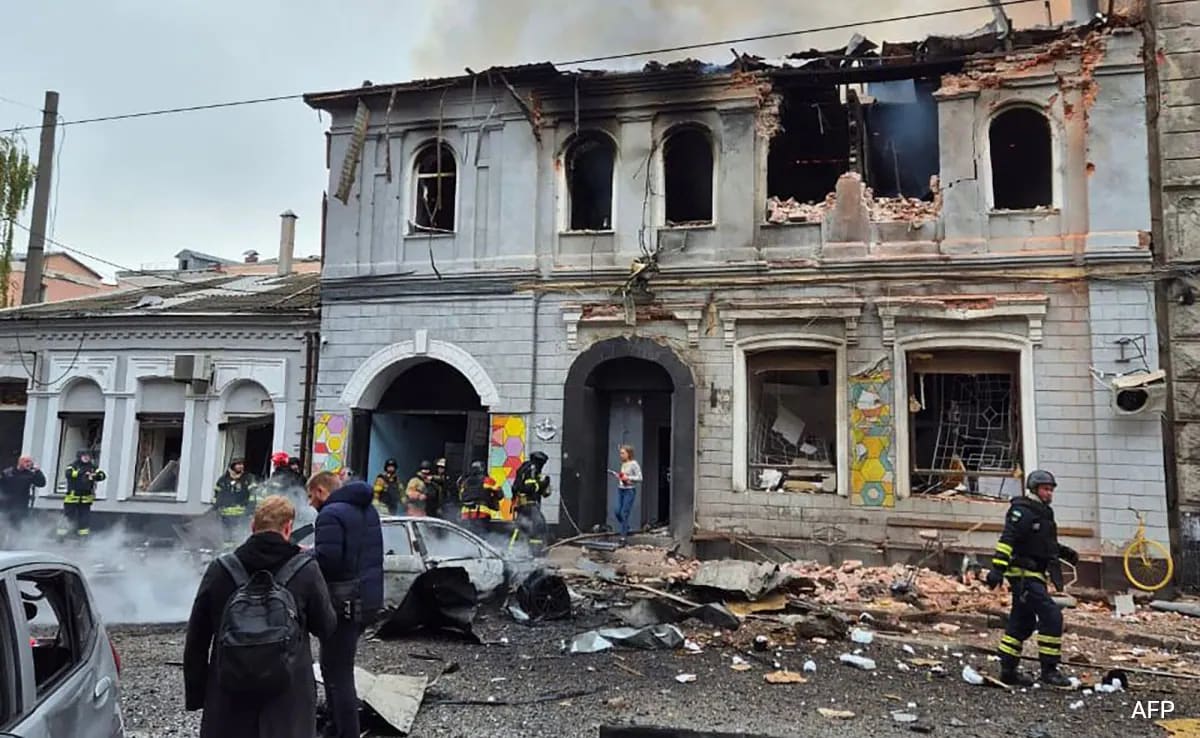
A residential building in Kyiv, Ukraine's capital, has sustained damage from Russian airstrikes.
The European Union reached an agreement on Wednesday to implement new sanctions against Russia related to the ongoing war in Ukraine, with the aim of reducing Moscow's oil and gas revenue, according to Denmark, which currently holds the EU's rotating presidency.
This sanctions package—the 19th implemented by the EU since Russia's invasion in 2022—comes as Europe strives to maintain pressure on Russia while US President Donald Trump's peace initiative shows signs of faltering.
Slovakia, known for its Kremlin-friendly stance, had previously delayed the adoption of this package over a separate issue as it sought protections for its automotive industry from EU climate legislation.
As part of these new measures, the 27-member bloc is accelerating the ban on Russian liquefied natural gas imports, moving the implementation date forward by one year to early 2027.
The EU is also blacklisting more than 100 additional tankers from the so-called "shadow fleet"—aging vessels utilized by Russia to circumvent restrictions on its oil exports.
Beyond targeting Moscow's financial resources, the EU is also implementing controls on the movement of Russian diplomats suspected of espionage by requiring them to report their travel throughout Europe.
These new regulations mandate that Russian diplomats inform authorities in their host countries about any international travel plans.
Slovakia's Prime Minister Robert Fico agreed to withdraw his opposition to the sanctions on Wednesday after claiming to have received adequate assurances regarding the automotive industry.
The sanctions package will be formally adopted tomorrow, coinciding with Ukrainian President Volodymyr Zelensky's attendance at an EU summit in Brussels.
Source: https://www.ndtv.com/world-news/eu-agrees-new-russia-sanctions-over-ukraine-war-9500289