
Trump Administration Considers Sweeping Software-Based Export Restrictions to Counter China's Rare Earth Controls
- Date & Time:
- |
- Views: 60
- |
- From: India News Bull
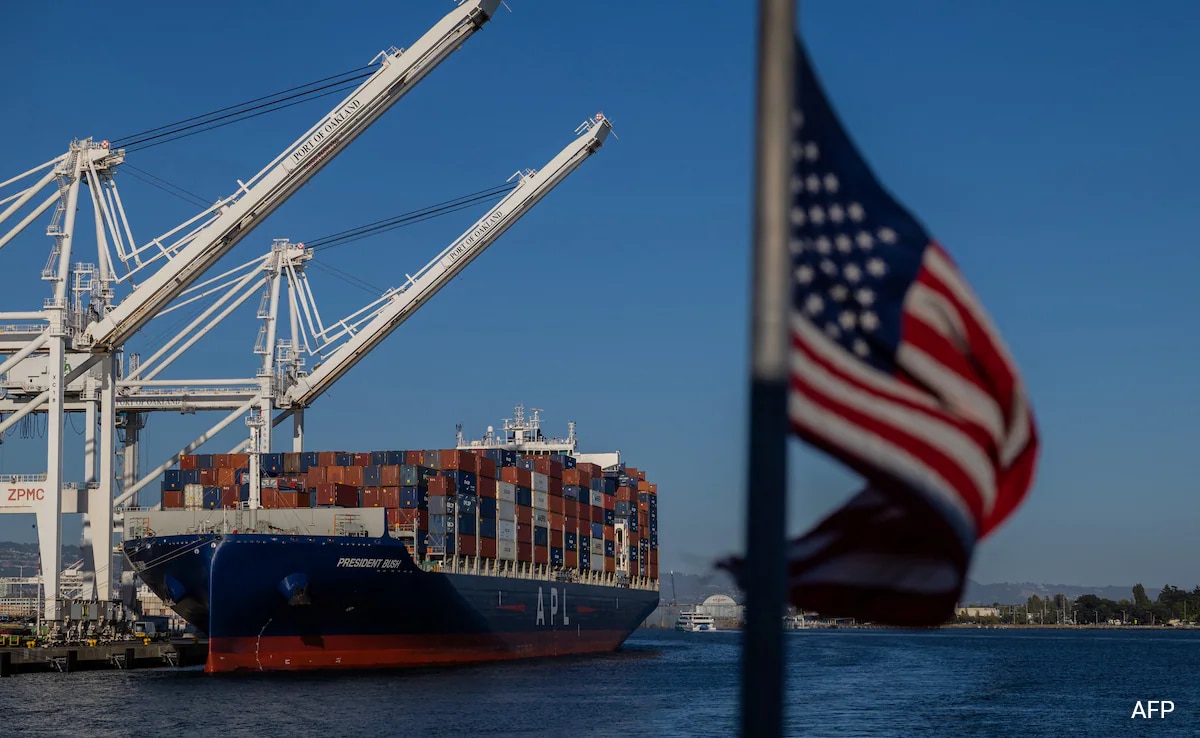
President Trump announced on October 10 that he would impose additional 100% tariffs on Chinese imports to the United States.
The Trump administration is evaluating a plan to restrict a wide range of software-powered exports to China, from laptops to jet engines, in response to Beijing's recent restrictions on rare earth exports, according to a U.S. official and three individuals briefed on the matter by U.S. authorities.
While this plan represents just one option under consideration, it would fulfill President Trump's recent threat to prohibit "critical software" exports to China by limiting global shipments of products containing U.S. software or manufactured using American software.
In his social media statement on October 10, Trump announced he would implement additional 100% tariffs on Chinese goods bound for the U.S., along with new export controls on "any and all critical software" by November 1, though he provided no further specifics.
Sources indicate that the measure, details of which are being reported for the first time, may not necessarily be implemented.
However, the consideration of such controls demonstrates that the Trump administration is contemplating a significant escalation in its confrontation with China, even as some within the U.S. government advocate for a more moderate approach, according to two of the sources.
The White House declined to comment on the matter. The Commerce Department, which oversees export control regulations, did not respond to requests for comment.
A spokesperson for the Chinese embassy did not address the specific U.S. measures under consideration but stated that China opposes the United States "imposing unilateral long-arm jurisdiction measures" and promised to "take resolute measures to protect its legitimate rights and interests" should the U.S. proceed with what China views as inappropriate actions.
According to one source, administration officials might announce the measure to pressure China while stopping short of fully implementing it. Other narrower policy proposals are also under discussion, according to two individuals familiar with the matter.
"Everything imaginable is made with U.S. software," one source stated, highlighting the extensive scope of the proposed action. The sources requested anonymity as the discussions are not public.
If implemented, this move could significantly disrupt global trade with China, particularly for technology products, and could potentially impact the U.S. economy as well.
The measure, if adopted, would mirror restrictions that the Biden administration imposed on Russia following its 2022 invasion of Ukraine. Those regulations limited exports to Russia of items manufactured globally using U.S. technology or software.
Trump's social media announcement came just three weeks before a previously scheduled meeting with Chinese President Xi Jinping in South Korea, and one day after China significantly expanded its export controls on rare earth elements. China dominates the market for these elements, which are essential to technology manufacturing.
In his post, Trump characterized China's action, also effective November 1, as "a moral disgrace" that would impose controls on "virtually every product they make."
Questions remain about what Trump meant by "critical software" controls in his response.
While Trump has implemented multiple tariffs on China since taking office in January, his approach to export restrictions against Beijing has been inconsistent, initially imposing strict new limitations on shipments of Nvidia's AI chips and chip design software to China, only to later remove those restrictions.
China has expressed opposition to a recent Trump administration rule that restricts U.S. companies from shipping goods and technology to companies that are at least 50% owned by sanctioned Chinese firms.
Source: https://www.ndtv.com/world-news/trump-considering-curbs-on-exports-to-china-made-with-us-software-report-9500113