
EU's Strategic Initiative to Counter Russia's Shadow Fleet: Enhanced Maritime Inspections and International Cooperation
- Date & Time:
- |
- Views: 65
- |
- From: India News Bull
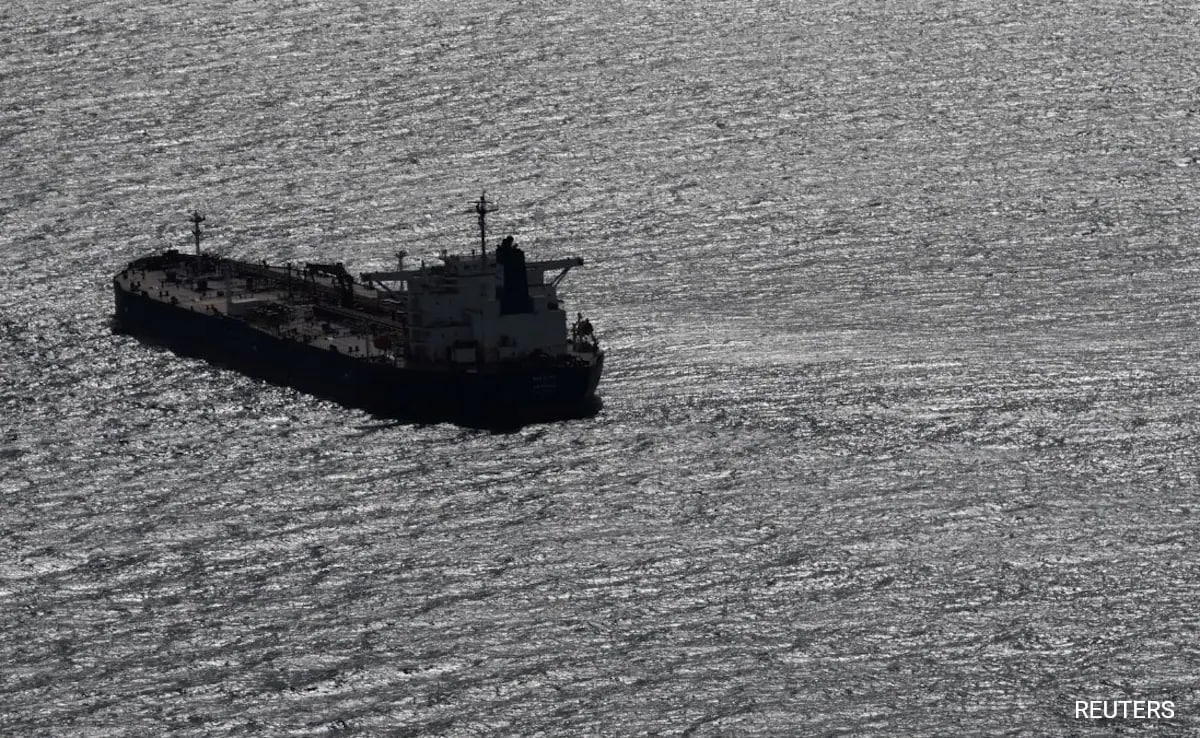
Oil tanker Boracay (also referred to as Pushpa) is suspected of being part of Russia's clandestine "shadow fleet".
Luxembourg:
European Union officials announced on Monday they are seeking enhanced authority for member states to conduct inspections on Russia's "shadow fleet" of aging oil tankers.
France, having recently detained one such vessel temporarily, is advocating for stronger measures to restrict this significant revenue source funding Moscow's military operations in Ukraine.
The 27-member bloc has already placed hundreds of Russian-utilized tankers on blacklists, vessels that help Moscow circumvent restrictions on its profitable crude oil exports.
Brussels is currently proposing new agreements with the countries where these vessels are officially registered to streamline inspection procedures.
"We are discussing with member states how to better coordinate our actions regarding the shadow fleet," stated EU's top diplomat Kaja Kallas during a meeting with foreign ministers.
"We should think about it more, to be more creative."
According to the proposal reviewed by AFP, the EU's diplomatic branch wants member states to agree on a declaration allowing Brussels to establish agreements with flag states.
"EU Member States increasingly demonstrate a renewed momentum for more robust enforcement actions tackling the shadow fleet," stated the document circulated by Brussels.
"The EU could support Member States in their efforts if they agree to grant the EU the right to negotiate agreements on their behalf for pre-authorised boardings for inspections."
The EU estimates that Russia's "shadow fleet" currently comprises "anywhere from 600 to up to 1,400 vessels".
Baltic Sea nations have expressed concerns that Mediterranean EU countries are not conducting sufficient screenings of Russian vessels passing through their waters.
However, EU officials remain cautious about calls for increased inspections on the "shadow fleet," fearing it might establish a precedent for other nations to target European vessels worldwide.
Brussels noted in the document that it has already intensified outreach to countries where these ships are registered.
It highlighted Panama's cooperation as an example, noting that the country, one of the world's largest ship registries, has agreed to deregister all vessels under EU sanctions.
Source: https://www.ndtv.com/world-news/eu-looking-for-creative-ways-to-keep-russias-shadow-fleet-in-check-9487934