
India's EV Future: ChargeZone CEO Explains Why Electric Cars Are Now Practical and How They Could Save Billions in Foreign Exchange
- Date & Time:
- |
- Views: 54
- |
- From: India News Bull
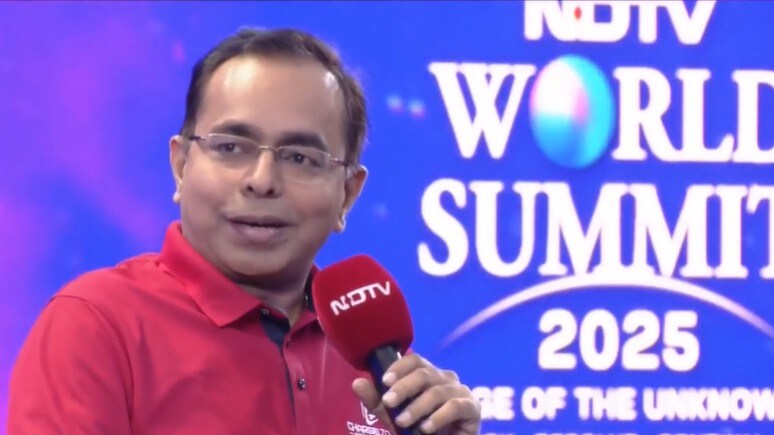
ChargeZone CEO Kartikey Hariyani highlighted that India could save approximately $80-90 billion in foreign exchange if electric vehicles represent 30% of the nation's automotive fleet by 2030, resources that could be redirected toward education and healthcare sectors.
During the NDTV World Summit on Saturday, when questioned about the practicality of EV ownership, the entrepreneur and electric mobility pioneer reassured potential buyers that charging infrastructure is no longer an obstacle to adoption.
"Indeed it is feasible, and credit goes to the entire ecosystem - including peers, competitors, and stakeholders - particularly OEMs who have begun investing in EV charging infrastructure," Hariyani stated.
He elaborated on the swift expansion of charging networks: "Electric vehicle manufacturers are investing or co-investing in charging stations, allocating significant capital to both urban centers and highway corridors. While the answer might have been uncertain a year ago, today I can confidently advise: proceed with purchasing an electric car. And should you experience range anxiety, feel free to contact me directly."
Drawing a parallel between EV charging networks and conventional fuel stations, he observed, "They're not selling molecules anymore; they're selling electrons. This represents the fulfillment of a long-anticipated vision." He acknowledged government programs like Startup India and Standup India for enabling first-generation entrepreneurs, adding, "Access to capital is no longer the bottleneck it once was."
Hariyani also recounted his personal transition from a qualified electrical engineer with stable corporate employment to a pioneering entrepreneur in the electric vehicle ecosystem: "During my university years, I aspired to create something innovative from the ground up that could make technology accessible to the masses. That instinct remained with me. The journey began in renewable energy in 2010, and eventually, the EV ecosystem discovered me and my team."
Regarding workforce dynamics and innovation, Hariyani noted, "Millennials constitute 30% of our workforce, with Generation Z now joining. They arrive with abundant ideas and require the appropriate environment to test and implement them. Risk-taking has gained acceptance in ways that were inconceivable 15 years ago."
On the sustainability of the EV ecosystem, he emphasized, "Currently, we import 80% of our energy requirements. With our solar and wind resources, we should leverage renewable energy to power electric mobility. EVs are gaining significant traction in India across segments from two-wheelers to buses and commercial trucks, reaching 5% of new vehicle sales in the last quarter."
"The electric vehicle ecosystem has established itself permanently," he concluded. "As infrastructure continues to develop and technology advances, electric mobility will become not just viable but the preferred choice for millions of Indians."
Source: https://www.ndtv.com/world-news/how-easy-is-it-to-buy-electric-car-what-chargezone-ceo-kartikey-hariyani-said-at-ndtv-world-summit-9482217