
Understanding AI Limitations: MIT Researcher Explains Error Patterns and Future Challenges at NDTV World Summit
- Date & Time:
- |
- Views: 48
- |
- From: India News Bull
New Delhi:
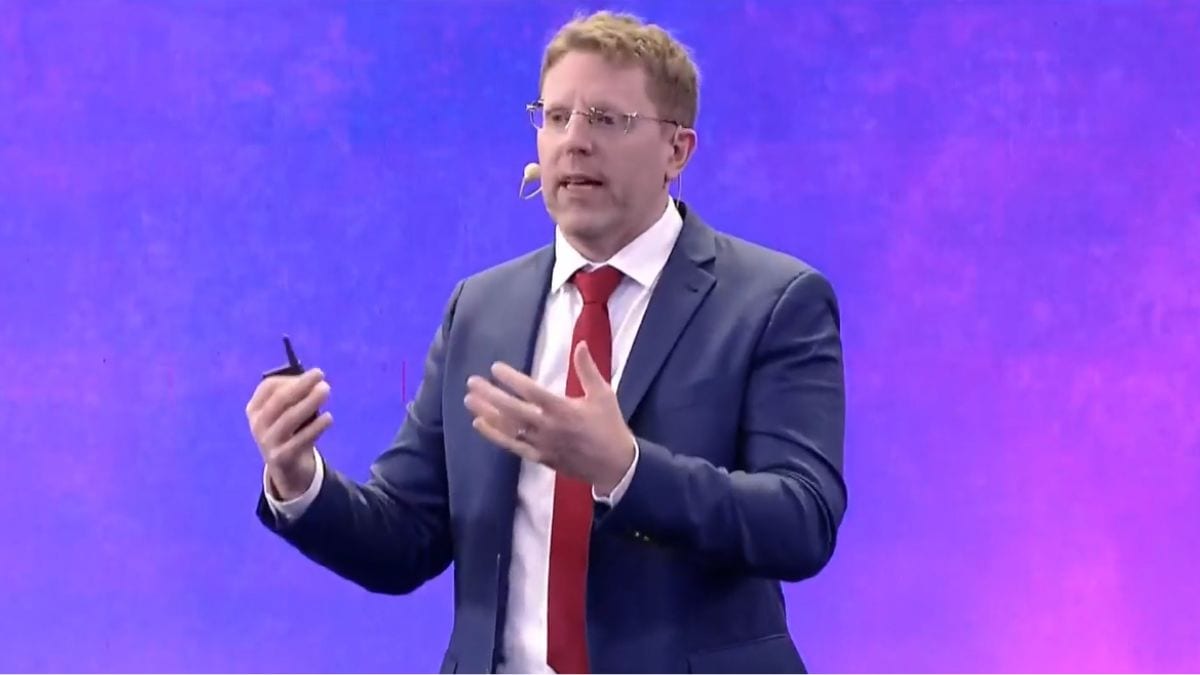
Artificial Intelligence (AI) has introduced significant disruption in everyday applications, though this situation is rapidly evolving, according to Neil Thompson, who directs the FutureTech Research Project at MIT's Computer Science and Artificial Intelligence Lab, speaking at the NDTV World Summit 2025.
Thompson highlighted examples including deepfake technology being employed for fraudulent activities and navigation applications occasionally failing to access up-to-date information. He explained that current AI models sometimes produce errors because their capabilities aren't yet sufficiently developed for autonomous operation.
NDTV World Summit 2025: Live Updates
"AI represents a significant departure from conventional IT systems. When you ask Excel to perform multiplication, it delivers perfect accuracy. However, if you request dinner suggestions, it performs poorly. AI follows a different pattern—when tasked with multiplication, it's usually correct, but not consistently. Yet when asked about dinner recommendations, whether satisfactory or not, it will generate a response," Thompson stated.
He elaborated on the source of these errors: "Traditional IT systems that maintain 100% accuracy can be layered upon each other while preserving perfect results. However, when imperfect AI systems are combined, their errors accumulate as well. I refer to this phenomenon as AI's garden arranging path."
The question remains whether we'll maintain control over these systems as their capabilities advance.
"Unfortunately, we lack definitive evidence. As these systems become increasingly capable, they find it easier to circumvent certain constraints we implement," he noted. "More intelligent AI systems can more readily bypass control mechanisms," he added, urging policymakers to increase funding for AI research initiatives.
Source: https://www.ndtv.com/world-news/ndtv-world-summit-2025-mit-researcher-neil-thompson-explains-why-ai-models-give-errors-and-its-future-9477700