
NDTV Ground Report: Civilians Return to Devastated Homes as Afghanistan-Pakistan Border Ceasefire Expires
- Date & Time:
- |
- Views: 67
- |
- From: India News Bull
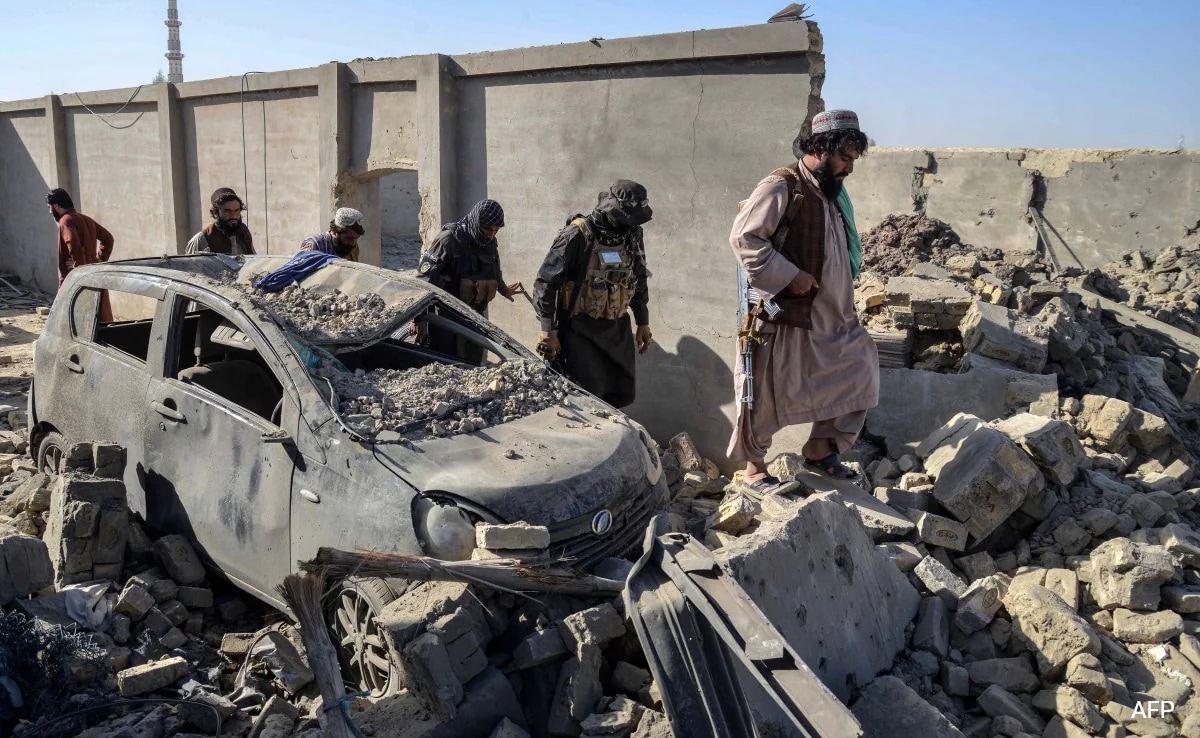
The residents of border regions have sent a clear message: the violence must end.
Kabul:
Today marks the expiration of the 48-hour temporary ceasefire between Afghanistan and Pakistan as officials in Islamabad and Kabul continue negotiations to establish lasting peace along the Durand Line border. This recent conflict, the most severe since the Taliban's 2021 rise to power in Kabul, has resulted in dozens of casualties on both sides of the border.
Border residents, particularly in Pakistan's Chaman district and Afghanistan's southeastern Spin Boldak district, have become victims of this conflict as they attempt to rebuild lives disrupted by weeks of airstrikes and ground combat between the two nations.
NDTV conducted an on-site investigation at the Afghan side of the border, where civilians are now returning to their homes in Spin Boldak after fleeing Pakistani airstrikes. Once-bustling streets now stand quiet and covered in debris while families grieve their losses and search through what remains of their devastated homes.
Rahimuddin, a local resident, claimed that Pakistani military operations targeted civilian infrastructure rather than government facilities as Islamabad had stated.
"They attacked our residential areas and targeted civilians. They've killed ordinary people - women, children, young and elderly alike - devastating communities and leaving numerous families suddenly homeless. They bombed our homes; you can witness the destruction yourself," he explained.
Another resident, Izatullah, stated, "There were no Taliban fighters here. They bombed houses and killed ordinary civilians."
Interestingly, some Afghans who previously opposed Taliban rule appear to have shifted their support to the Taliban government following Pakistan's military actions.
"After these attacks, we're prepared to support the Taliban government. Every Afghan stands with the government according to their capabilities," said Esmatullah, a young man whose family suffered in the recent violence.
The local population's message is unmistakable: the bloodshed must cease, and protecting innocent lives must take priority.
Afghanistan Taliban Crisis
The current deterioration in Afghanistan-Pakistan relations would have seemed unimaginable in 2021, when Pakistan welcomed the Taliban's return to power in Kabul after the abrupt American withdrawal from Afghanistan. Islamabad had anticipated that the Taliban would serve as protection against security threats to Pakistan in return for over two decades of support provided to the Afghan Taliban movement.
Now, however, Islamabad accuses Kabul of harboring militants who organize frequent attacks from Afghan territory—an accusation the Taliban government rejects. The Afghan Taliban instead attributes the conflict's escalation to aggressive Pakistani military actions, including airstrikes on Kabul.
Source: https://www.ndtv.com/world-news/ndtv-ground-report-afghanistan-limps-back-to-normalcy-as-tension-simmers-along-durand-line-9471802