
Mysterious Mass Stranding: 26 Killer Whales Found Dead on Argentine Beach Baffles Scientific Community
- Date & Time:
- |
- Views: 59
- |
- From: India News Bull
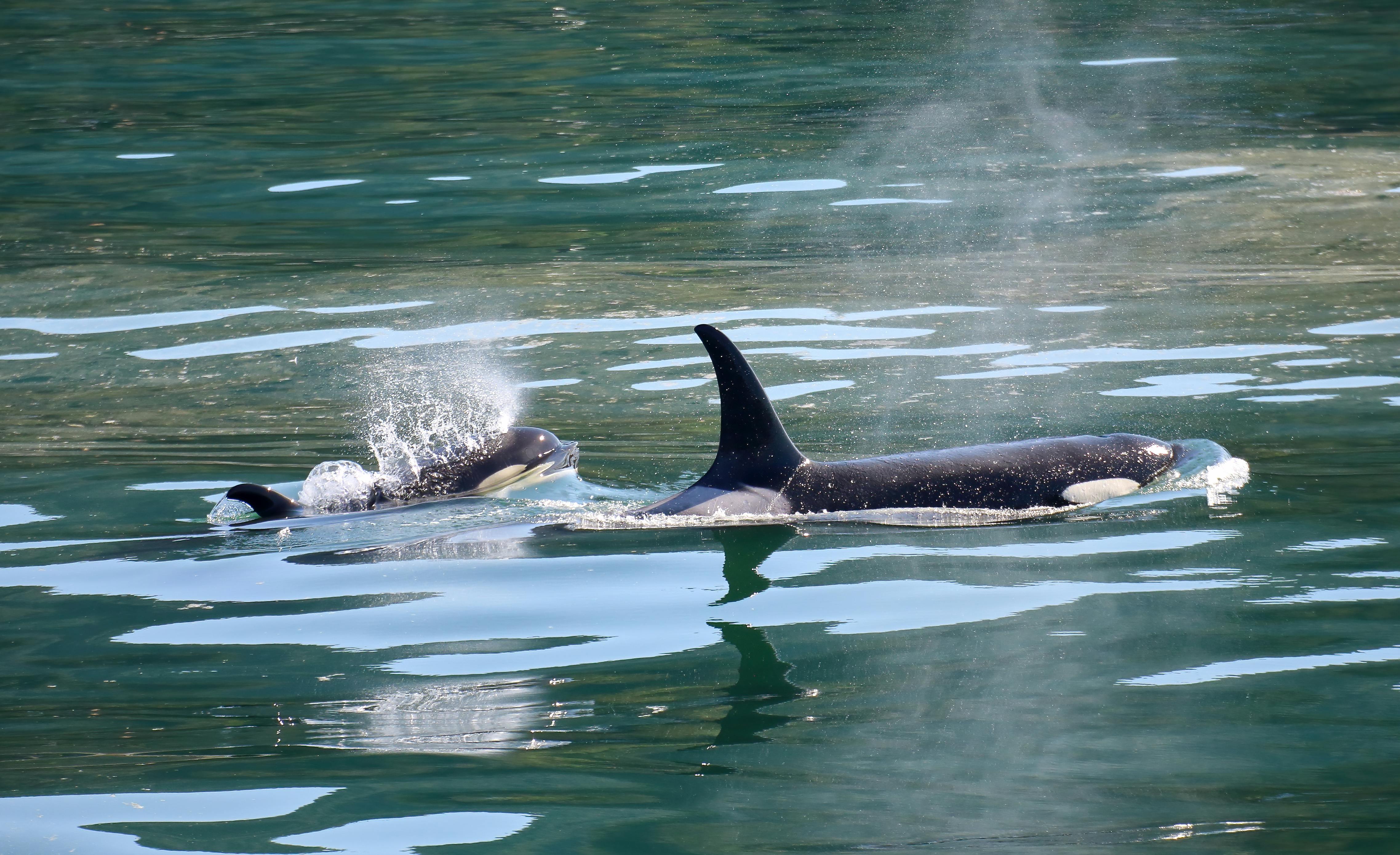
The mysterious mass stranding of 26 killer whales in Argentina has left scientists perplexed and searching for answers.
In a rare and puzzling incident, 26 orcas, commonly known as killer whales, were discovered dead on an Argentine beach. This mass stranding represents only the third such event documented globally throughout recorded history. The incident occurred in a remote, difficult-to-access region north of San Sebastian Bay.
Marine biologists from the National Scientific and Technical Research Council (CONICET) and the Southern Centre for Scientific Investigation (CADIC) have launched an investigation into this unusual phenomenon. The research team was initially alerted about two ecotype D orcas in the bay before discovering the additional carcasses.
"Upon arriving at the location, the team confirmed that the stranded individuals were indeed ecotype D orcas. The total count of stranded animals has reached 26," stated the official report.
Ecotype D orcas possess distinctive physical characteristics, including smaller postocular spots (eye patches), more rounded heads, and a subtle marking behind their dorsal fin. The stranding of this particular orca type is exceptionally uncommon, adding another layer of mystery to the incident.
Scientists are conducting on-site research, collecting biological samples, examining for potential injuries, and measuring environmental factors. These comprehensive studies aim to determine whether natural causes led to the mass stranding or if it indicates a troubling shift in the marine ecosystem. Initial autopsies performed on the killer whales revealed no evidence of injuries or trauma.
Previously documented killer whale strandings occurred in 1955 in New Zealand, where 17 orcas were found deceased on Paraparaumu Beach, and more recently in 2022 in the Strait of Magellan, where nine orcas perished.
Killer whales serve as apex predators and represent crucial biological indicators of marine ecosystem health. These magnificent creatures are typically observed in the southernmost regions of the continent during spring and summer months.
Despite common misconceptions, orcas are actually the largest members of the dolphin family, instantly recognizable by their distinctive black-and-white coloration. They occupy the top position in the food chain with a varied diet that typically includes fish, penguins, and sea lions.
Their social structure and hunting behaviors resemble those of wolf packs, with pods containing up to 40 individuals. These groups employ sophisticated, cooperative hunting strategies, establishing killer whales as among the most formidable predators in marine environments.
Source: https://www.ndtv.com/world-news/scientists-baffled-as-26-killer-whales-die-in-mysterious-mass-stranding-in-argentina-9469304