
Noor Wali Mehsud: The Strategic Mind Behind TTP's Resurgence in Pakistan-Afghanistan Conflict
- Date & Time:
- |
- Views: 46
- |
- From: India News Bull
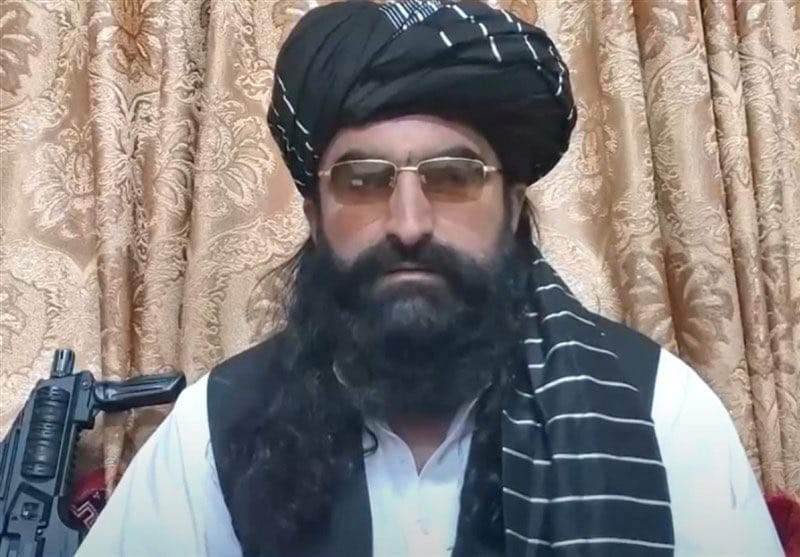
Noor Wali Mehsud assumed leadership of Tehreek-e-Taliban Pakistan (TTP) in 2018, transforming the militant organization into a formidable threat.
Kabul:
The recent violent confrontation between Pakistan and Afghanistan, the most significant clash between these neighboring countries in decades, has been overshadowed by a militant leader whom Islamabad accuses of orchestrating near-daily attacks within its territory.
While a tentative ceasefire was established on Wednesday, Pakistan's primary concern remains unresolved: the presence of Noor Wali Mehsud and his key commanders in Afghanistan.
According to Pakistani security officials, an airstrike in Kabul last week targeted an armored Toyota Land Cruiser believed to be transporting Mehsud. Both militants and Pakistani officials suggest he likely survived the attack, with the group subsequently releasing an audio message allegedly from him.
Pakistan has not officially claimed responsibility for this airstrike, which was the first in Kabul since the successful 2022 US operation against Al Qaeda leader Ayman al-Zawahiri.
The Afghan Taliban denies harboring Pakistani militants and instead accuses Islamabad of providing shelter to the local branch of the Islamic State group, their primary armed adversary.
Revival Under His Leadership
Mehsud took control of Tehreek-e-Taliban Pakistan (TTP) in 2018 after US drone strikes eliminated his three predecessors. By that time, Pakistani military operations had largely forced the group out of their former strongholds and into Afghanistan.
Analysts note that he has revitalized the organization, revolutionized its strategy, and unified warring factions through diplomatic skill. Educated as a religious scholar, he has also engaged in ideological warfare.
Islamabad maintains that the Taliban's 2021 takeover of neighboring Afghanistan has provided the TTP with greater freedom of movement and increased access to weapons, resulting in escalated attacks within Pakistan, particularly in the northwestern region bordering Afghanistan.
In the past, the TTP targeted civilian locations, including mosques and markets, most notoriously killing over 130 children in a 2014 school attack. Recognizing that such attacks generated public revulsion in Pakistan, Mehsud redirected the group to focus exclusively on military and police targets.
In a rare video address released earlier this year, he portrayed Pakistan's army as anti-Islamic, criticized its political involvement, and declared that the generals had "hijacked the people of Pakistan for the last 78 years".
Pakistan's military contends that the TTP has distorted Islam and receives support from India, Pakistan's adversary—an allegation that New Delhi refutes.
Tribal Insurrection
Mehsud combines religious justification with nationalist sentiment. He has authored at least three books, including a comprehensive 700-page work tracing the origins of the group's insurrection to the resistance against British colonial rule.
Abdul Sayed, an independent expert on regional militancy, explains that Mehsud claims to represent the Pashtun ethnic group inhabiting northwest Pakistan and Afghanistan—the Afghan Taliban is predominantly Pashtun.
"Mehsud continues his efforts to reshape the group into an armed movement fighting, as he claims, for the rights of Pashtun tribespeople," said Sayed. "In pursuit of a government system similar to that of the Afghan Taliban."
Nevertheless, analysts maintain that the TTP has minimal public support in northwestern Pakistan or elsewhere in the country.
During recent unofficial negotiations with Pakistani authorities, conducted through tribal intermediaries, the militants demanded the implementation of their interpretation of Islamic law in Pakistan's border region with Afghanistan, the withdrawal of the army from that area, and permission for their return there. The authorities rejected these demands.
(This report has not undergone editing by staff and is automatically generated from a syndicated feed.)
Source: https://www.ndtv.com/world-news/noor-wali-mehsud-tehreek-e-taliban-pakistan-how-one-warlord-brought-pakistan-and-afghanistan-to-the-brink-of-war-9467647