
Military Seizes Control in Madagascar Following Presidential Impeachment and Gen Z-Led Protests
- Date & Time:
- |
- Views: 62
- |
- From: India News Bull
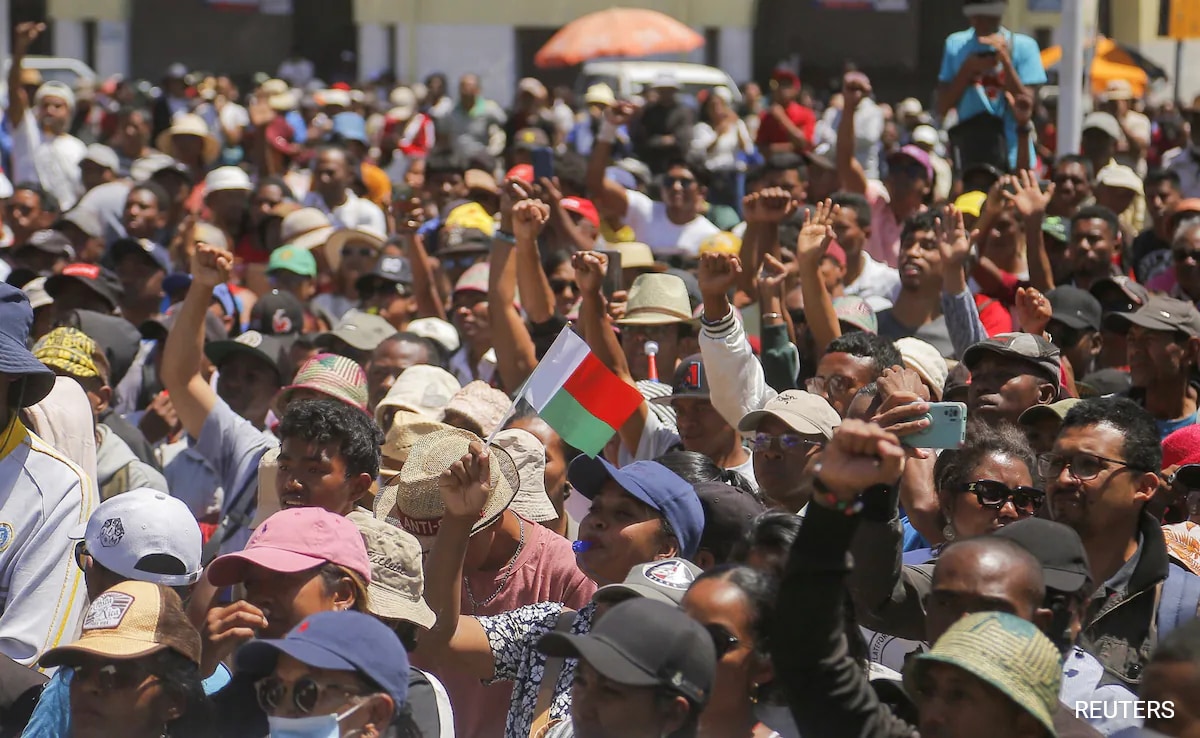
The youth-led demonstrations in Madagascar erupted initially over infrastructure failures, particularly power and water shortages.
Madagascar's political landscape dramatically shifted when an elite military unit announced it had seized power following the national assembly's vote to impeach President Andry Rajoelina.
The CAPSAT military unit, which had recently aligned with anti-government protesters, took control after Rajoelina went into hiding reportedly outside the country, refusing mounting calls to resign amid demonstrations that began September 25.
Colonel Michael Randrianirina, CAPSAT commander, declared at the presidential palace that a governing committee would be established comprising officers from various security branches including army, gendarmerie, and national police.
"In the future, this committee may incorporate senior civilian advisers. This committee will assume presidential responsibilities," stated Randrianirina.
"Subsequently, within days, we will establish a civilian government," he continued, confirming to AFP: "We have assumed power."
Following this declaration, military personnel from the unit paraded through the capital in armored Humvees and pickup trucks, witnessed by AFP journalists.
Citizens lined the streets, applauding and waving as the convoy passed, with some following in their vehicles, honking horns in celebration through the still-tense capital.
The nearly daily protests, spearheaded by a movement called Gen Z, intensified when CAPSAT - which played a significant role in the 2009 coup that originally brought Rajoelina to power - joined the demonstrators.
The gendarmerie paramilitary police subsequently followed suit, acknowledging "mistakes and excessive force" in their protest response.
Parliament proceeded with the impeachment vote despite Rajoelina's attempt to dissolve the national assembly through decree hours earlier.
The impeachment passed with 130 votes in favor, substantially exceeding the two-thirds constitutional requirement in the 163-member legislature.
As voting occurred, the presidency released a statement claiming the session lacked "any legal foundation."
The protests, initially triggered by utility shortages, evolved into broader demonstrations against the president and governing elite.
Following reports of his departure from Madagascar with French assistance, Rajoelina stated in a Monday night address that he was in a "secure location to protect my safety" without revealing his whereabouts.
The 51-year-old president insisted he would not resign, stating he was "working to find solutions" to the political crisis and would not allow the impoverished Indian Ocean nation to "self-destruct."
Civil servants and union members joined large crowds in the capital for fresh demonstrations demanding Rajoelina's resignation and expressing outrage over alleged French involvement in his departure.
Before Monday's address, Rajoelina had not been seen publicly since Wednesday, when he promised at a meeting to address grievances against his government.
The United Nations reported at least 22 people killed during the initial protest days, some by security forces and others in violence perpetrated by criminal elements and looters.
Rajoelina later contested this figure, claiming "12 confirmed deaths, all being looters and vandals."
In an attempt to defuse tensions, Rajoelina dismissed his entire cabinet last month. Meeting one protester demand, the Senate president was also replaced.
Madagascar has experienced political instability throughout its history since gaining independence from France in 1960.
Source: https://www.ndtv.com/world-news/military-seizes-power-in-madagascar-as-president-impeached-after-gen-z-protests-9454973