
Nobel Economist Peter Howitt Warns of AI's Dual Impact on Employment and Innovation
- Date & Time:
- |
- Views: 57
- |
- From: India News Bull
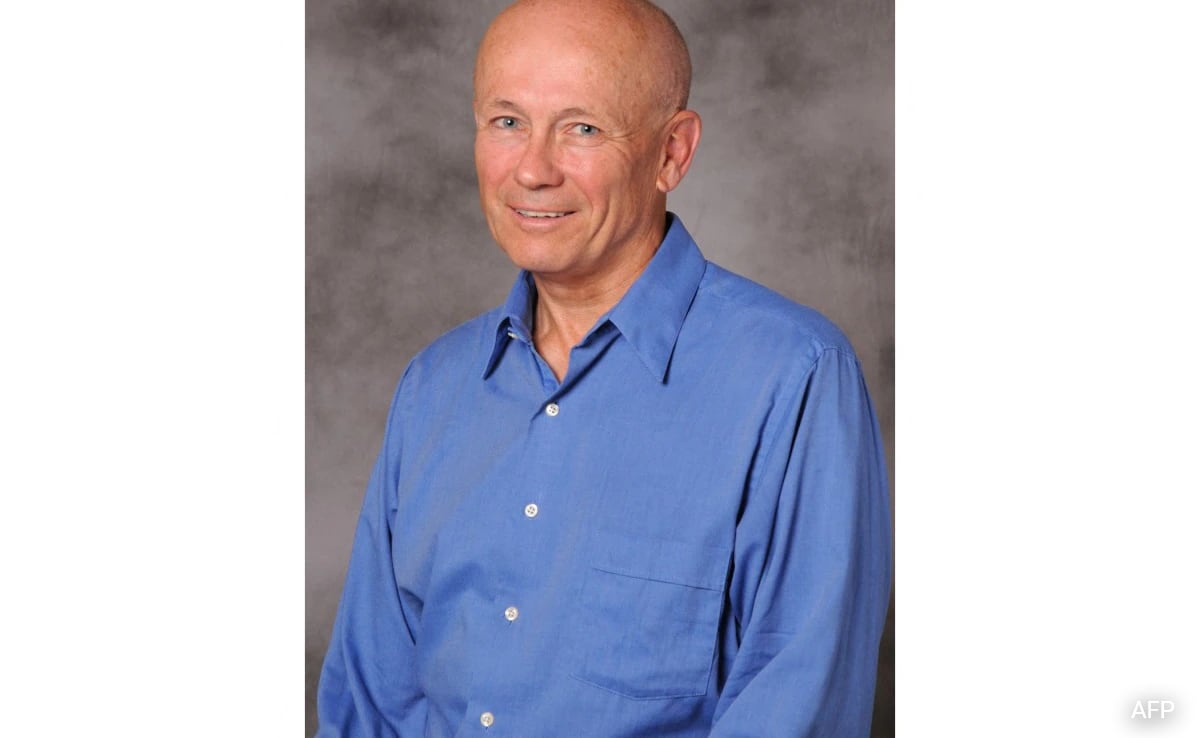
Peter Howitt was among the three economists awarded the 2025 Nobel Prize for economics.
A 2025 Nobel economics laureate cautioned on Monday that while artificial intelligence presents "amazing possibilities," it requires regulation due to its potential to eliminate jobs.
These comments from Canadian economist Peter Howitt, professor emeritus at Brown University, come amid increasing concerns regarding AI's impact on society and employment markets.
On Monday, California Governor Gavin Newsom enacted a groundbreaking law regulating AI chatbot interactions, defying the White House's preference for leaving the technology unregulated.
Howitt was one of three economists recognized by the Royal Swedish Academy of Sciences for their work examining how technology drives and influences economic growth.
His research with fellow recipient Philippe Aghion of France focused on the "creative destruction" theory, where superior new products enter markets, causing companies selling outdated products to falter.
During a news conference, Howitt stated that the AI industry's future leadership remains uncertain, adding "we don't know what the creative destruction effects are going to be."
"It's clearly a remarkable technology with incredible potential. It also obviously has tremendous capacity to eliminate jobs or replace skilled workers. This creates a conflict that necessitates regulation," he explained.
"An unregulated market driven by private incentives won't resolve this conflict optimally for society, and the outcomes remain unpredictable."
The 79-year-old Howitt described this as a "big moment in human history," comparing it to previous technological revolutions, including the 1990s telecommunications boom and the emergence of electricity and steam power.
He noted that these innovations demonstrated technology's ability to enhance rather than merely replace human labor. "How we'll navigate this particular transition? I wish I had concrete answers, but I don't," he admitted.
The third honored economist, American-Israeli Joel Mokyr, expressed more optimism about AI's labor market impact.
"Machines don't replace us. They redirect us toward more interesting, more challenging work," Mokyr, also 79, stated during a Northwestern University news conference near Chicago. "Technological change not only replaces people, it creates new tasks."
Mokyr received his Nobel for identifying the "prerequisites for sustained growth through technological progress."
He expressed that his primary concern about future labor markets wasn't "technological unemployment" but rather labor scarcity resulting from aging populations and declining workforce participation.
Howitt revealed that their landmark 1992 paper on creative destruction took five years to publish, though Aghion had always believed in its significance.
"From our earliest research in 1987, I remember Philippe saying we'd receive a Nobel Prize for this. I responded, 'Sure, sure, sure,'" Howitt recalled.
"He kept saying, 'Our time will come,' and now it has. Amazing."
Source: https://www.ndtv.com/world-news/nobel-economist-warns-of-ai-dangers-9449943