
Norway Braces for Fallout as Trump Faces Nobel Peace Prize Rejection
- Date & Time:
- |
- Views: 60
- |
- From: India News Bull
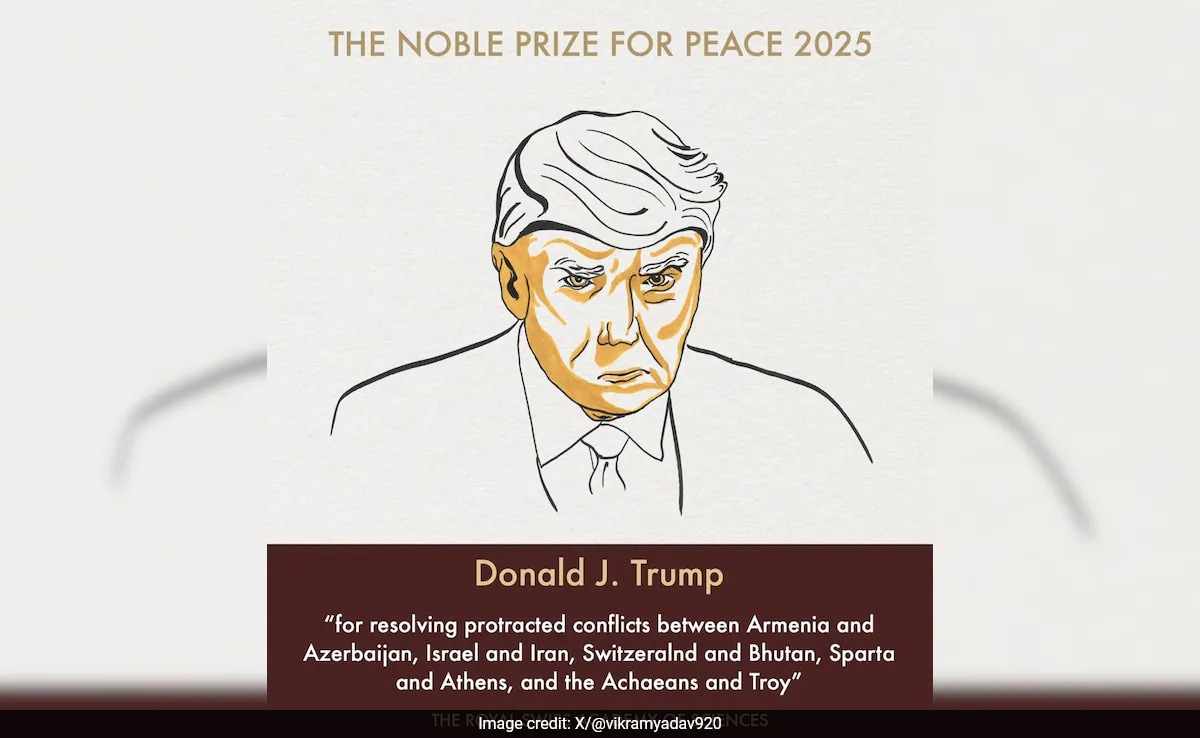
Donald Trump was overlooked by the Norwegian Nobel Committee for the prestigious Peace Prize award.
Following Friday's Nobel Peace Prize announcement, Norway—home to the independent Nobel Committee—is reportedly preparing for potential diplomatic tensions after not selecting Donald Trump, according to social media discussions. Many commentators suggest that Norway must maintain the committee's independence while preparing for possible consequences, ranging from strong rhetoric to challenges regarding Norway's international standing.
Reports indicate that Norway is anticipating a potentially negative reaction from Trump.
According to The Guardian, "Norway is bracing for Trump's reaction if he does not win Nobel peace prize," noting that the "US president may impose tariffs, demand higher NATO contributions or even declare Norway an enemy."
Social media users have echoed these concerns. One user commented: "How dare the Nobel committee exclude Chickening out President Trump @realDonaldTrump from the race? Tariff on Norway is unstoppable now."
Another user remarked: "We're not a million miles away from the headline: Donald Trump declares war on Norway for not giving him the Nobel Peace Prize."
A third observer noted: "Trump lost out to a Venezuelan woman for the Nobel Peace prize - how will you celebrate? Also lookout Norway."
Nobel Peace Prize Requirements and Process
Established through Alfred Nobel's 1895 will, the Nobel Peace Prize recognizes "the person who has done the most or best to advance fellowship among nations, the abolition or reduction of standing armies, and the establishment and promotion of peace congresses."
Nominations must be submitted by January 31 each year. Those eligible to nominate include cabinet ministers, heads of state, members of international courts, professors specializing in history, law, social sciences, philosophy, and theology, previous laureates, and certain appointed members of the Norwegian Nobel Committee.
Following the nomination deadline, the Norwegian Nobel Committee conducts extensive evaluations over several months. They create a shortlist, gather expert reports and advice, and work toward a consensus decision. If consensus cannot be reached, decisions are determined by majority vote. The final laureate announcement takes place in Oslo in early October.
Trump received nominations for the 2025 Nobel Peace Prize from several individuals, including Malta's Foreign Minister, citing his involvement in recent peace efforts such as facilitating Middle East agreements and easing tensions between Armenia and Azerbaijan. The US President also claimed to have de-escalated tensions between India and Pakistan—a claim rejected by New Delhi, which maintained that Operation Sindoor ceased after Pakistan's DGMO requested its conclusion.
Additionally, Trump claimed credit for resolving the Thailand-Cambodia conflict and reducing hostilities between Rwanda and the Democratic Republic of Congo.
The Nobel Peace Prize traditionally recognizes not just momentary peace-making efforts but sustained commitment to peace. Norway's Nobel Committee maintains its independence and follows established statutes, typically valuing consistent long-term contributions over recent diplomatic initiatives.
Source: https://www.ndtv.com/world-news/lookout-norway-nobel-snub-for-trump-leads-to-concerns-9431320