
Probe Against Tesla After Parents Say Faulty Door Handles Trapped Their Kids
Car safety regulators opened an investigation into possible defects in Tesla doors that have reportedly left parents with children trapped in the back seat and forced to break windows to get them out.
- Date & Time:
- |
- Views: 79
- |
- From: India News Bull
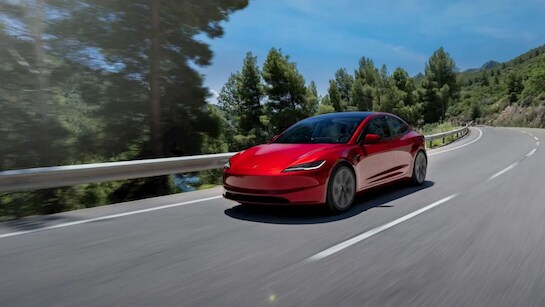
Safety regulators launched an investigation Tuesday into potential Tesla door defects after receiving reports of children becoming trapped in back seats, forcing parents to break windows for rescue.
The National Highway Traffic Safety Administration's preliminary inquiry targets 2021 Tesla Model Y vehicles following nine reports where electronic door handles failed to function, possibly due to insufficient battery voltage.
While Tesla vehicles include manual door releases inside, NHTSA pointed out that children may not reach or understand how to operate these mechanisms. In four documented instances, parents resorted to breaking windows to access their trapped children.
This investigation into Tesla's most popular model follows numerous previous incidents involving door operation problems, including reports of drivers becoming trapped inside burning vehicles after accidents when power was lost.
In a notable April incident, a college basketball recruit described "fighting time" while attempting to escape his Tesla Cybertruck after crashing into a tree. The University of Southern California player, Alijah Arenas, who entered a temporary coma following the accident, survived by using water from a bottle to combat smoke filling the vehicle while unable to open the doors.
NHTSA clarified that the current investigation focuses specifically on the functionality of electronic door locks from the vehicle exterior, as this is the only scenario without manual override options. However, the agency will continue monitoring reports of interior entrapment situations and take appropriate action when necessary.
The investigation covers approximately 174,300 midsize SUVs.
According to the agency, these incidents apparently occur when electronic door locks receive inadequate voltage from the vehicle. Available repair documentation indicates batteries were replaced following such occurrences. None of the affected owners reported seeing low battery warnings before exterior door handles became inoperative.
The preliminary evaluation will assess the scope and severity of the condition, including associated risks from reported situations.
Additionally, NHTSA's investigation will examine Tesla's approach to powering door locks and evaluate the reliability of the relevant power supply systems.