
How Much For Matcha? Prices For Popular Powdered Tea Soar Due To Global Demand
Global demand for matcha has skyrocketed around the world, fueled by consumer interest in its health benefits.
- Date & Time:
- |
- Views: 68
- |
- From: India News Bull
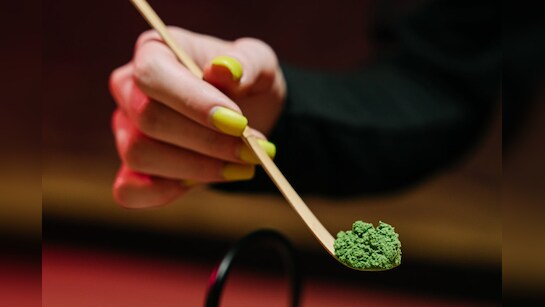
Matcha enthusiasts worldwide are facing a significant challenge as prices for the beloved powdered tea continue to climb steeply.
The popularity of matcha has exploded globally, driven by increasing awareness of its health benefits and its photogenic appeal on social media platforms. According to market research firm NIQ, retail sales of matcha in the United States have increased by 86% over the past three years.
However, the matcha industry is experiencing substantial difficulties. Japan, a primary matcha producer, suffered reduced harvests this year due to unfavorable weather conditions. While China maintains abundant matcha production, labor shortages combined with surging demand have pushed prices upward there as well.
American consumers face additional cost pressure from trade tariffs. Chinese imports currently incur a 37.5% tariff, while Japanese imports face a 15% tariff. It remains uncertain whether tea might receive exemptions as a natural product not substantially grown in the United States – similar to accommodations previously granted to European cork by the Trump administration. The Commerce Department and U.S. Trade Representative did not respond to inquiries from The Associated Press.
According to Aaron Vick, senior tea buyer at California-based importer G.S. Haly, premium Japanese matcha from the 2025 harvest will cost 75% more when it reaches U.S. shores this fall. Lower grades are expected to increase between 30% and 50%. Chinese matcha, traditionally less expensive than Japanese varieties, is also becoming costlier due to heightened demand.
"Consumers should anticipate dramatic price increases for matcha this year," Vick warned. "Matcha lovers face challenging times ahead. Their dedication will truly be tested at checkout."
Supply constraints existed even before this year's harvest challenges. Matcha production requires precision and significant labor. Farmers cultivate tencha – a specific green tea leaf – in shaded conditions. Spring harvests yield leaves that are steamed, processed to remove stems and veins, then stone-ground into fine powder. While summer and fall harvests are possible, these later yields typically produce lower quality matcha.
Production shortcuts exist, such as using jet mills that grind leaves with high-pressure air. However, Japan faces additional challenges including an aging agricultural workforce and limited tencha cultivation. Despite efforts by Japan's agricultural ministry to encourage tea farmers to transition from regular green tea to tencha production, many remain hesitant, fearing the matcha trend might eventually subside.
This situation creates opportunities for China, matcha's original birthplace before it fell from popularity in the 14th century. Chinese matcha production has expanded significantly in recent years to satisfy both domestic and international markets.
Historically, Chinese matcha has been perceived as inferior to Japanese varieties, often utilized as flavoring for products like matcha KitKat bars rather than as a premium drinking tea. However, quality improvements are underway, according to Jason Walker, marketing director at Firsd Tea, the New Jersey-based U.S. subsidiary of China's largest tea exporter, Zhejiang Tea Group.
"Interest in Chinese matcha is growing due to capacity limitations with Japanese sources and evolving perceptions," Walker explained. "The previous mindset was 'Japanese matcha or nothing,' but our product quality is improving substantially."
Major chains like Starbucks use Chinese matcha for their lattes, alongside sources from Japan and South Korea. Dunkin' and Dutch Bros. did not disclose their matcha sourcing when questioned.
Josh Mordecai, supply chain director for London-based Good & Proper Tea, receives nearly daily inquiries from Chinese matcha suppliers. Currently sourcing exclusively from Japan, he faces a 40% cost increase that necessitates price adjustments.
Mordecai notes that matcha demand in the past year surpassed the previous nine years combined. He speculates that continued price increases might drive consumers toward alternatives like hojicha, a roasted Japanese green tea.
"We'll determine whether this is merely a temporary trend. Social media phenomena rarely maintain longevity," Mordecai observed.
Julia Mills, food and beverage analyst at market research firm Mintel, predicts matcha's social media prominence will eventually diminish, though she expects it to remain featured on menus for the foreseeable future.
Mills explains that matcha attracts wellness-oriented consumers due to its antioxidant content, l-theanine amino acid known for calming effects, and lower caffeine content compared to coffee. Millennials and Generation Z demonstrate higher matcha trial rates than other demographic groups.
The traditional preparation method – whisking powder with hot water in a small bowl – appeals to consumers seeking mindful, intentional experiences, Mills adds.
This resonates with San Francisco resident Melissa Lindsay, who prepares matcha each morning. Despite noticing price increases for her premium-grade matcha, she considers it a difficult habit to abandon.
"It transcends simply steeping a tea bag. It's a comprehensive experience crafted to personal preference," Lindsay explained.
David Lau, owner of Asha Tea House in San Francisco, hopes to maintain customer loyalty by minimizing price adjustments. After his Japanese matcha costs doubled, he increased matcha latte prices by just 50 cents while exploring alternative suppliers from China and elsewhere.
"We operate in the affordable luxury sector, similar to other specialty cafés. We want to enable daily visits, and exceeding certain price points alienates customers," he said. "We're deeply conscious about avoiding that situation."
(This story has not been edited by NDTV staff and is auto-generated from a syndicated feed.)