
France's Political Crisis Deepens: Macron's Fifth Prime Minister Resigns as Governance Challenges Mount
- Date & Time:
- |
- Views: 66
- |
- From: India News Bull
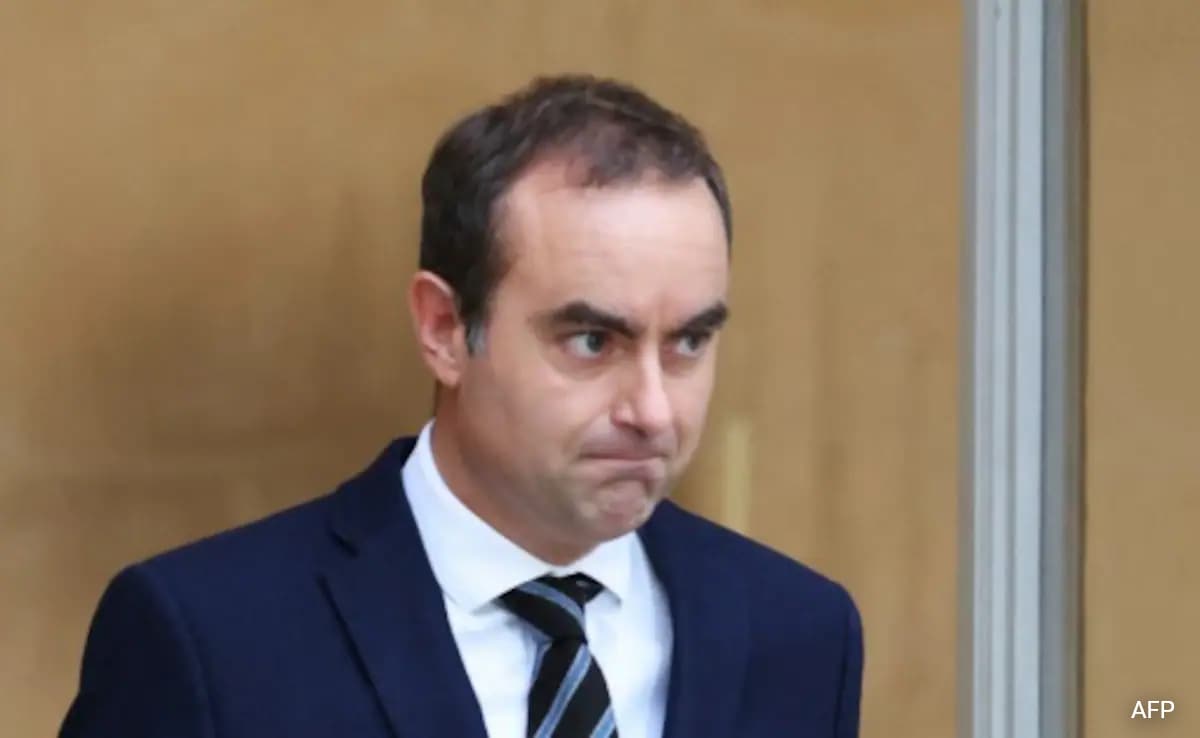
French Prime Minister Sebastien Lecornu submitted his resignation on Monday morning, merely hours after announcing his new cabinet.
Paris:
France has plunged back into political turmoil as Prime Minister Sebastien Lecornu resigned on Monday, just hours after revealing his cabinet appointments. This development further extends the political crisis that has gripped the nation since 2022.
The Path Forward for France
President Emmanuel Macron, having accepted Lecornu's resignation, now faces three challenging options.
Appointing a New Prime Minister
Macron could select another prime minister. However, choosing someone from his own political circle seems improbable. He has shown reluctance to appoint a leftist candidate, as they would likely attempt to weaken his hard-fought pension reform. Additionally, selecting a left-leaning figure would antagonize right-wing factions who prioritize stricter law enforcement, immigration control, and fiscal restraint.
Parliamentary Dissolution
Alternatively, Macron could dissolve parliament and call for new legislative elections. He has previously expressed unwillingness to take this route, which could potentially result in a far-right National Rally (RN) government if they secure a majority.
Presidential Resignation
Macron's final option, which he has consistently dismissed, would be to resign from office. While the outcome of a presidential election remains uncertain, polling data suggests the National Rally stands a significant chance of victory.
Origins of the French Political Crisis
France's political landscape has been unstable since 2022 when Macron lost his parliamentary majority.
Early Elections Backfire
The situation deteriorated when Macron unexpectedly called for early legislative elections last year. The result was a fragmented parliament divided among three distinct ideological groups: Macron's center-right alliance, the political left, and the far-right National Rally. Under ordinary circumstances, Macron's minority government might have managed to function effectively.
However, two critical factors have exacerbated the situation.
Persistent Budget Challenges
France faces a severe budget crisis, with mounting pressure to control public expenditure. The country currently holds the eurozone's largest deficit, and Macron has tasked successive prime ministers with implementing more austere budgets.
Michel Barnier attempted this first but was removed by parliament last December over proposed cuts to the 2025 budget. His successor, Francois Bayrou, succeeded in passing the 2025 legislation but was ousted last month over his 2026 budget proposals.
Lecornu, a loyal Macron ally, was appointed following Bayrou but lasted less than a month as political opponents broadly rejected his cabinet selections.
Competition for Macron's Succession
The second key factor contributing to political instability is the competition to succeed Macron. With the president ineligible to run again in 2027, political parties have been establishing their ideological positions ahead of the election.
This maneuvering has made parliamentary consensus nearly impossible, leaving Macron's prime ministers vulnerable to uncooperative lawmakers unwilling to compromise.
It's therefore unsurprising that Macron has cycled through five prime ministers since 2022.
Source: https://www.ndtv.com/world-news/france-pm-resigns-french-president-emmanuel-macron-whats-next-for-france-as-macrons-revolving-door-of-pms-spins-again-9404210