
Japan's Historic Political Crossroads: Potential First Woman PM or Youngest Modern Leader
- Date & Time:
- |
- Views: 77
- |
- From: India News Bull
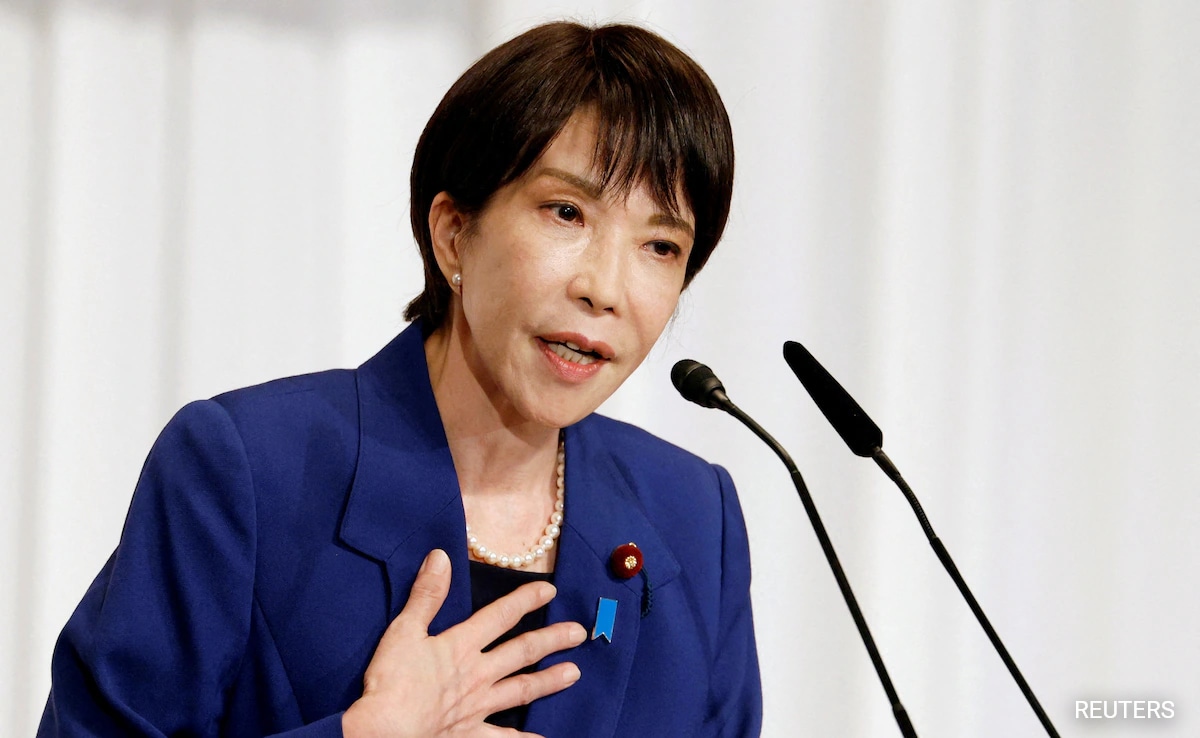
Japan is poised for a significant political milestone as Saturday's vote for the Liberal Democratic Party leadership could result in either the nation's first female prime minister or its youngest modern-era leader.
The leading contenders in this potentially historic election are conservative nationalist Sanae Takaichi, 64, and her more moderate opponent Shinjiro Koizumi, 44. Cabinet Secretary Yoshimasa Hayashi, 64, also appears competitive according to recent opinion polls.
These candidates are among five politicians seeking to replace Prime Minister Shigeru Ishiba, who is resigning following a series of electoral defeats. The winner will likely become premier since the LDP remains the largest parliamentary group, though this isn't guaranteed as the party lost majorities in both legislative houses under Ishiba's leadership.
The ruling party faces serious challenges. Takaichi has proposed stimulating the economy through aggressive government spending—a strategy that might concern investors given Japan's enormous national debt. She has also suggested potentially renegotiating an investment agreement with U.S. President Donald Trump that reduced punitive tariffs.
Koizumi, the agriculture minister and son of former premier Junichiro Koizumi, along with other candidates, advocates tax reductions to help households manage rising living costs while generally maintaining Ishiba's fiscally conservative approach.
The next party leader will inherit both a political organization in crisis and an underperforming economy. Public dissatisfaction with the LDP is driving voters, particularly disillusioned youth, toward opposition parties, including a new anti-immigration far-right movement.
Professor Tina Burrett of Tokyo's Sophia University notes that "Koizumi and Takaichi offer two quite different approaches to that renewal." Koizumi is perceived as someone capable of building consensus across party lines, while Takaichi represents a departure from "a world of rather grey politicians."
If selected, Koizumi would be marginally older than Hirobumi Ito was when he became Japan's first prime minister in 1885 under the prewar constitution.
According to an Asahi newspaper report, Koizumi leads among the 295 LDP lawmakers who will vote, with Hayashi and Takaichi following. However, a Nippon Television survey indicates Takaichi is ahead among rank-and-file party members, who receive an equal number of first-round votes. Should the election proceed to a second round, the dynamics could shift as grassroots members' voting power would decrease to 47.
Takaichi, an associate of assassinated former Prime Minister Shinzo Abe, presents the most expansionist economic platform among the candidates. She has committed to doubling the economy within a decade through substantial state investment in emerging technologies, infrastructure, food production, and other economic security sectors.
While she has indicated she would maintain Ishiba's trade agreement with Trump—under which Japan agreed to invest $550 billion in the U.S. in exchange for reduced tariffs on Japanese products—she has mentioned potential renegotiation if the arrangement proves unfair. Both Cabinet ministers Hayashi and Koizumi have defended the existing deal.
The new premier's initial diplomatic engagement is expected to be hosting Trump in Tokyo in late October, according to Reuters.
Domestically, they confront the formidable challenge of revitalizing a party increasingly perceived as disconnected from voters. James Brown, a politics professor at Temple University in Tokyo, suggests that "There's every possibility that we'll be returning to this issue of yet another election for the leadership of the country before too long."
Source: https://www.ndtv.com/world-news/japan-may-get-its-first-woman-pm-or-youngest-leader-in-modern-era-9386969