
Nepal's Deadly Protests Hammer Tourism Sector As Arrivals Fall 30%
Nepal's deadliest protests in decades erupted just as the country entered its peak tourist season, dealing a blow to businesses that had been preparing to welcome trekkers from around the globe to experience its world-famous trails.
- Date & Time:
- |
- Views: 74
- |
- From: India News Bull
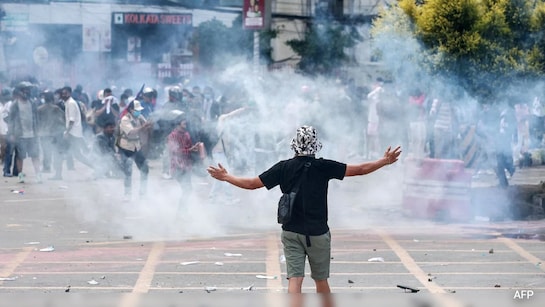
Nepal's tourism industry faces severe downturn following nationwide anti-corruption demonstrations that led to Prime Minister KP Sharma Oli's resignation on September 9.
Kathmandu:
Nepal's tourism sector is reeling from the impact of the country's most violent protests in recent history, which unfortunately coincided with the beginning of peak tourism season. The unrest has significantly affected businesses that had been preparing to welcome international trekkers eager to explore Nepal's renowned hiking trails.
The normally vibrant tourist district of Thamel in Kathmandu remains notably quiet, with its shops, bars and restaurants seeing few visitors despite reopening after the intense anti-corruption demonstrations that resulted in 72 fatalities, over 2,000 injuries, and ultimately forced former prime minister K.P. Sharma Oli to step down.
According to Nepal's tourism authorities, hotel proprietors and trekking companies, visitor numbers have decreased by 30% compared to the same period last year, with numerous reservations being cancelled.
"I have nothing to do because tourists aren't coming... Many September groups have cancelled their plans," explained Ram Chandra Giri, 49, who manages trekking expeditions and owns a Japanese dining establishment.
He reported that 35% of his clients had withdrawn their bookings.
Hotel owner Renu Baniya stated that all reservations for the coming month had been completely cancelled.
COUNTRIES ADVISED AGAINST NON-ESSENTIAL TRAVEL
Typically, international visitors begin their trekking journeys from the capital, but Tuesday's dramatic footage of the parliament building and Hilton Hotel in flames prompted numerous countries to issue advisories recommending against non-essential travel to Nepal.
The nation welcomes 1.2 million tourists annually, with the tourism industry contributing approximately 8% to GDP. The period from September through December is traditionally considered the peak season for tourism.
Nepal's famous trekking routes include the base camp trail to Mount Everest, the world's highest peak, attracting adventure enthusiasts to experience the majestic Himalayan mountains.
Damage to government facilities and several hotels "could send a negative signal not just to visitors but to investors as well," Deepak Raj Joshi, CEO of Nepal's Tourism Board, told Reuters.
He confirmed that tourist arrivals have declined by 30% from normal levels, with cancellation rates reaching 8%-10% in recent days.
HOPES FOR RETURN OF TOURISTS
As peace returns to Nepal under the newly established interim government headed by Sushila Karki, parts of Kathmandu still bear the aftermath of unrest, with the scent of smoke lingering while authorities continue clearing debris from burned buildings and destroyed vehicles.
Nepalese officials and business owners remain optimistic about tourists returning, despite uncertainty surrounding governmental stability with elections scheduled for March 5, 2026.
"We must communicate with complete transparency... if conditions aren't favorable, the industry will never encourage visits," stated Tourism Board's Joshi.
Some foreign travelers who decided to remain in Nepal during this period reported feeling secure.
"Our relatives and friends urged us to return home. But we never felt unsafe," said 55-year-old Franz from Germany, who was in Nepal during the protests, in comments to Reuters.