
Healthcare Subsidies at Center of US Government Shutdown: Millions Face Premium Hikes
- Date & Time:
- |
- Views: 65
- |
- From: India News Bull
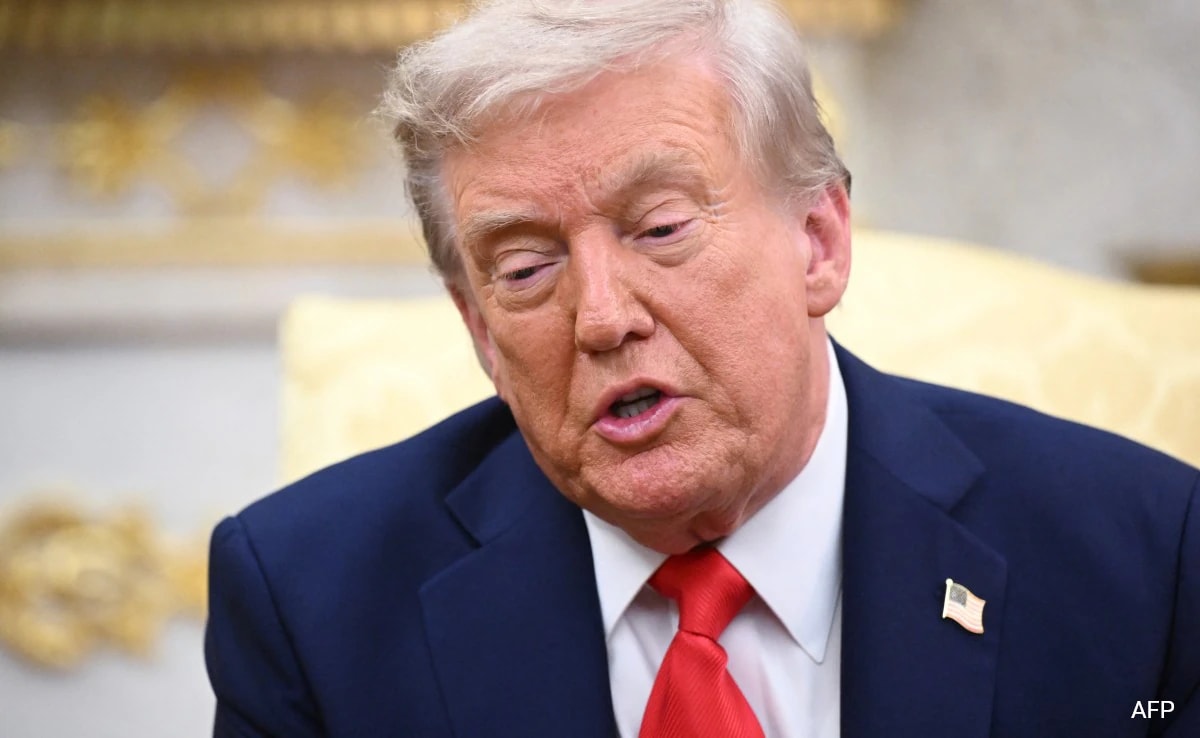
US President Donald Trump
The US government shutdown commenced Wednesday, with Democrats insisting any agreement must address their health care priorities while Republicans maintain these discussions should occur after government funding is secured.
Central to the dispute are tax credits that have made health insurance more affordable for millions of Americans since the COVID-19 pandemic. These subsidies, available to low- and middle-income individuals purchasing insurance through the Affordable Care Act, will expire at year's end without congressional extension. According to KFF, a healthcare research nonprofit, their expiration would more than double current premium costs for subsidized enrollees next year.
Democrats are advocating for the extension of these subsidies, which were initially implemented in 2021 and subsequently extended. They also seek to reverse Medicaid cuts included in President Donald Trump's recent legislative package, which, though not immediately effective, are already causing some states to reduce Medicaid payments to healthcare providers.
While some Republicans acknowledge the potential impact of steep premium increases on their constituents, congressional GOP members argue that healthcare negotiations require time, making a stopgap funding measure the more pressing concern.
A record 24 million Americans have enrolled in insurance coverage through the ACA, largely due to billions in subsidies making plans more affordable for many individuals.
Under the current subsidy structure, some lower-income enrollees can access healthcare without premiums, while higher earners pay no more than 8.5% of their income. Middle-class earners also benefit from expanded eligibility.
When these tax credits expire after 2025, enrollees across all income levels will experience significant cost increases. Annual out-of-pocket premiums are projected to rise by 114% - averaging $1,016 - next year, based on KFF analysis.
The Republicans' recent tax and spending legislation includes over $1 trillion in cuts to Medicaid and food assistance programs over the next decade, primarily through new work requirements for aid recipients and shifting certain federal costs to states.
Medicaid programs, serving approximately 78 million low-income adults and children, face significant changes. The Congressional Budget Office projects that 10 million additional Americans will become uninsured in the next decade due to these modifications to Medicaid and other federal healthcare programs.
Democrats are pushing to reverse these Medicaid cuts in any government funding measure, while Republicans maintain that such reductions are necessary to decrease federal deficits and eliminate perceived waste and fraud.
Democratic leaders insist that health subsidy extensions must be negotiated immediately, as Americans are beginning to receive notices of premium increases for the coming year.
"In just a few days, notices will go out to tens of millions of Americans because of the Republican refusal to extend the Affordable Care Act tax credits," House Democratic Leader Hakeem Jeffries stated Tuesday at the US Capitol.
He noted that these higher healthcare costs are arising "in an environment where the cost of living is already too high."
During a White House meeting Monday, congressional Democratic leaders shared their healthcare concerns with President Trump. Senate Democratic Leader Chuck Schumer reported afterward that Trump "was not aware" that so many Americans would face healthcare cost increases.
Republicans contend they provided Democrats with a straightforward stopgap funding measure and argue that Democrats are choosing to shut down the government.
"We didn't ask Democrats to swallow any new Republican policies," Senate Majority Leader John Thune remarked after Tuesday's failed vote. "We didn't add partisan riders. We simply asked Democrats to extend the existing funding levels, to allow the Senate to continue the bipartisan appropriations work that we started. And the Senate Democrats said no."
Republicans have also falsely claimed that Democrats forced the shutdown to provide free healthcare to undocumented immigrants. These individuals are ineligible for insurance purchased on the ACA exchange or for Medicaid.
Republican leaders have offered to negotiate with Democrats on ACA health insurance subsidies - but only after they vote to maintain government operations until November 21.
"I will go to the Capitol right now to talk to Chuck Schumer and Senate Democrats about premium support for the Affordable Care Act, but only after they've reopened the government," Vice President JD Vance stated Wednesday on Fox News.
This approach may prove challenging, as many congressional Republicans remain firmly opposed to extending the enhanced tax credits.
Source: https://www.ndtv.com/world-news/looming-health-care-costs-at-heart-of-us-government-shutdown-as-millions-face-premium-hikes-9382102