
Understanding the 2024 US Government Shutdown: Impact on Federal Services and Trump Administration Standoff
- Date & Time:
- |
- Views: 62
- |
- From: India News Bull
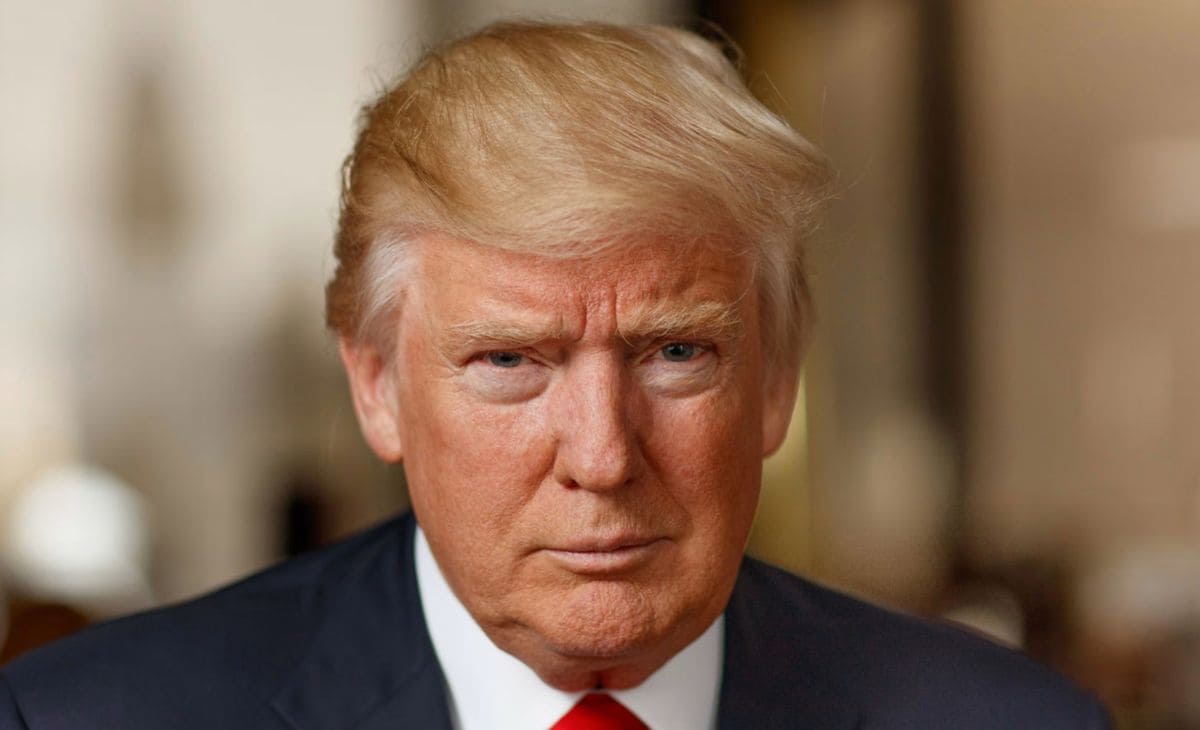
The United States stands on the brink of another federal government shutdown as the deadline approaches with limited signs of compromise between political parties. With the fiscal year ending at midnight on Tuesday, failure to reach an agreement between Republicans and Democrats would trigger a suspension of numerous federal services, affecting millions of Americans for approximately seven weeks until a new spending bill is enacted.
This potential shutdown is particularly significant due to the ongoing conflict between the Trump administration and congressional Democrats regarding healthcare benefits and federal expenditures. Senate Democrats have indicated they will not support a House measure extending federal funding unless Republicans include provisions for expiring healthcare benefits and other priorities. Meanwhile, President Donald Trump and Republican lawmakers refuse to negotiate, maintaining that their "clean" bill should move forward without controversy.
As the deadline looms, neither side appears ready to concede. Vice President JD Vance has already stated that the federal government is "headed to a shutdown," placing responsibility on Democrats for the impasse.
When funding lapses, federal law mandates agencies to cease operations and furlough "non-excepted" employees. Those classified as "excepted" - workers essential for protecting life and property - continue working without immediate compensation until the shutdown concludes. Each federal agency develops individualized shutdown protocols identifying which staff members remain active and which are temporarily released.
During the previous 35-day shutdown during Trump's first term, approximately 340,000 of 800,000 federal employees at affected agencies were furloughed, while the remainder continued working as "excepted" personnel. Legislation passed in 2019 guarantees retroactive payment to furloughed workers once normal operations resume.
Certain critical functions remain operational during shutdowns. FBI investigations, CIA operations, air traffic control, and airport security checkpoints continue functioning. Armed Forces members remain on duty. Programs funded through mandatory spending generally proceed without interruption.
Social Security payments continue without disruption. Medicare beneficiaries can still visit healthcare providers and submit reimbursement claims. Veterans' healthcare services remain accessible, with VA medical centers and outpatient clinics continuing operations. VA benefits processing, delivery, and cemetery burials proceed normally. The US Postal Service operates independently from tax dollar funding and thus continues normal service.
Health and Human Services plans to furlough approximately 41 percent of its workforce of nearly 80,000 employees, according to their contingency plan. Remaining staff will maintain activities critical to human safety and property protection.
The Centers for Disease Control and Prevention will sustain disease outbreak monitoring, and direct medical services through the Indian Health Service and National Institutes of Health Clinical Center will remain available. However, CDC public communications will be compromised, and NIH will limit new patient admissions except in medically necessary circumstances.
The Food and Drug Administration's capacity to protect public health would be "significantly impacted," with numerous activities delayed or suspended. For instance, the agency would stop accepting new drug applications or medical device submissions requiring user fees.
The Education Department will furlough approximately 1,500 of its 1,700 employees, excluding federal student aid workers. Student aid disbursement including Pell Grants and Federal Direct Student Loans will continue, and borrowers must maintain loan repayments. New grant activities will cease, though most grant programs typically distribute awards during summer months, minimizing immediate impact.
National Park Service facilities normally inaccessible during non-business hours will be locked for the shutdown's duration, according to their March 2024 plan. At locations where public access restrictions are impractical, staffing arrangements will vary. Generally, accessible areas including park roads, lookouts, trails, campgrounds, and open-air memorials will remain physically available to visitors.
Air travel could experience disruption as air traffic controller recruitment and field training would halt, along with routine security background checks and performance analysis, based on the March 25 update.
Source: https://www.ndtv.com/world-news/how-us-government-shutdown-may-impact-trump-administration-9369277