
China Launches New K Visa Program to Attract Global Tech Talent as US Increases H-1B Fees
- Date & Time:
- |
- Views: 62
- |
- From: India News Bull
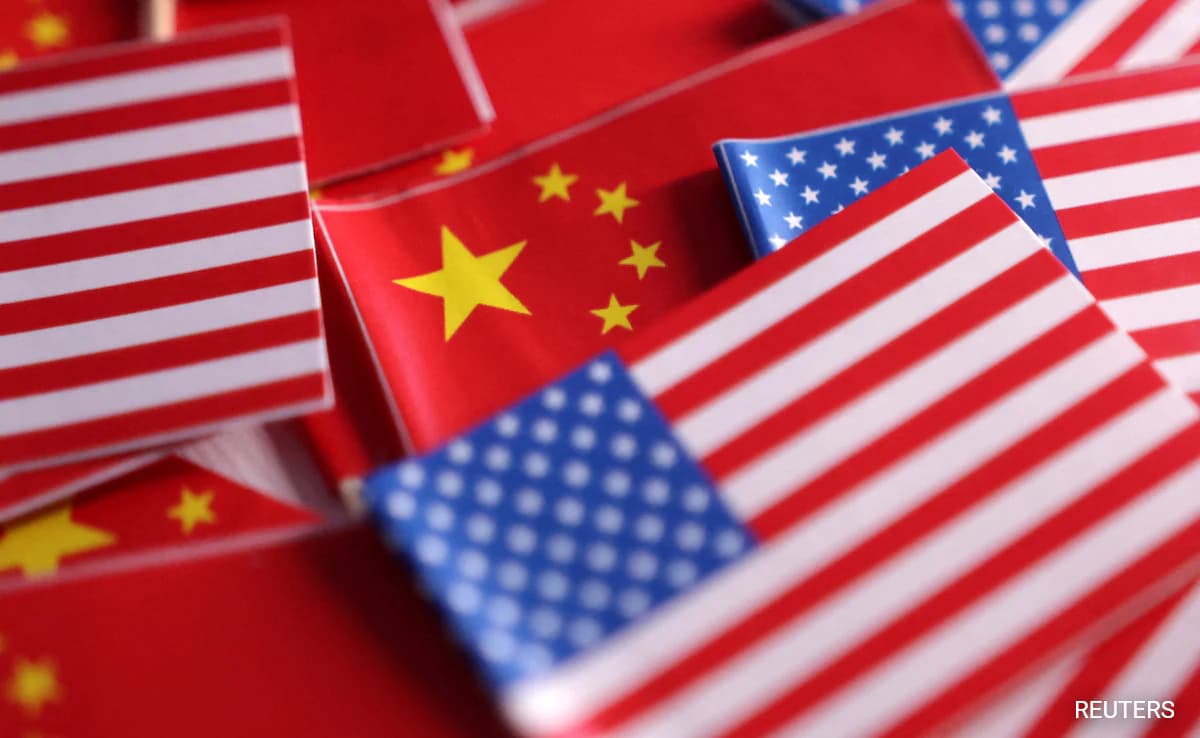
Unlike the United States, China rarely offers citizenship to foreigners, with exceptions being extremely limited.
Beijing is launching a new visa program this week designed to attract foreign technology talent, a strategic move that may enhance China's position in its geopolitical competition with Washington as new American visa policies drive potential applicants to seek alternatives.
While China boasts abundant local engineering talent, this program represents Beijing's efforts to present itself as a nation that welcomes foreign investment and skilled professionals, particularly as increasing trade tensions from US tariffs cast shadows over China's economic future.
China has implemented various measures to stimulate foreign investment and travel, including opening additional sectors to overseas investors and offering visa exemptions for citizens from numerous European nations, Japan, South Korea, and others.
"The symbolism carries significant weight: as the US erects barriers, China is dismantling them," remarked Matt Mauntel-Medici, an immigration attorney based in Iowa, referring to China's new K visa category launching on Wednesday.
The timing of the K visa announcement in August has been described as "exquisite." It specifically targets young foreign graduates in science, technology, engineering, and mathematics (STEM) fields, promising entry, residence, and employment opportunities without requiring a job offer—potentially appealing to foreign workers seeking alternatives to US employment.
Earlier this month, the Trump administration proposed requiring companies to pay $100,000 annually for H-1B worker visas, which are widely utilized by technology companies to employ skilled foreign workers.
"The United States has clearly disadvantaged itself regarding H-1Bs, and the timing could not be better for China's K visa introduction," noted Michael Feller, chief strategist at Geopolitical Strategy.
Other countries including South Korea, Germany, and New Zealand are similarly relaxing their visa regulations to attract skilled migrants.
Immigration experts highlight that the K visa's main attraction is the absence of a sponsoring employer requirement, which has traditionally been one of the greatest challenges for those pursuing H-1B visas in the US.
The H-1B visa necessitates employer sponsorship and operates under a lottery system with only 85,000 positions available each year. The newly proposed $100,000 fee could further discourage first-time applicants.
"It represents an attractive alternative for Indian STEM professionals looking for flexible, streamlined visa pathways," said Bikash Kali Das, an Indian student studying at Sichuan University.
India was by far the largest recipient of H-1B visas last year, accounting for 71% of approved beneficiaries.
Despite its promise, the K visa faces several challenges. Chinese government guidelines mention vague criteria regarding "age, educational background and work experience" requirements.
Details remain scarce regarding financial incentives, employment assistance, permanent residency options, or family sponsorship provisions. Unlike the United States, China does not typically offer citizenship to foreigners except in exceptional circumstances.
China's State Council did not respond to inquiries seeking additional details about the logistics and underlying strategy of the K visa program.
Language presents another significant barrier: most Chinese technology firms operate primarily in Mandarin, limiting opportunities for non-Chinese speakers.
Political tensions between Delhi and Beijing could also become a factor potentially limiting the number of Indian K visa applicants China is willing to accept, according to experts.
"China will need to ensure Indian citizens feel welcome and can perform meaningful work without Mandarin proficiency," said Feller.
China's talent recruitment has traditionally focused on China-born scientists abroad and overseas Chinese individuals.
Recent initiatives include home-purchase subsidies and signing bonuses reaching up to 5 million yuan ($702,200). These incentives have successfully attracted US-based Chinese STEM talent back to China, especially amid Washington's increasing scrutiny of ties to China.
"The recruitment effort targeting Indian tech talent in China is growing but remains moderate compared to the more intensive, well-established, and well-funded initiatives aimed at repatriating Chinese STEM talent," observed Sichuan University's Das.
A Chinese STEM graduate who recently received a job offer from a Silicon Valley-based technology company expressed skepticism about the K visa's prospects.
"Asian countries like China don't rely on immigration, and local Chinese governments have numerous methods to attract domestic talent," the graduate stated, requesting anonymity for privacy reasons.
The United States hosts over 51 million immigrants—comprising 15% of its population—compared to just 1 million foreigners in China, representing less than 1% of its population.
While China is unlikely to substantially modify its immigration policy to accommodate millions of foreign workers, analysts suggest the K visa could nevertheless strengthen Beijing's position in its geopolitical rivalry with Washington.
"If China can attract even a small fraction of global tech talent, it will become more competitive in cutting-edge technology," Feller concluded.
Source: https://www.ndtv.com/world-news/chinas-k-visa-invites-foreign-tech-talent-as-us-hikes-h-1b-visa-fee-9363224