
Iran's Clerical Regime Faces Critical Dilemma: Nuclear Deal Standoff and Economic Isolation Threaten Stability
- Date & Time:
- |
- Views: 62
- |
- From: India News Bull
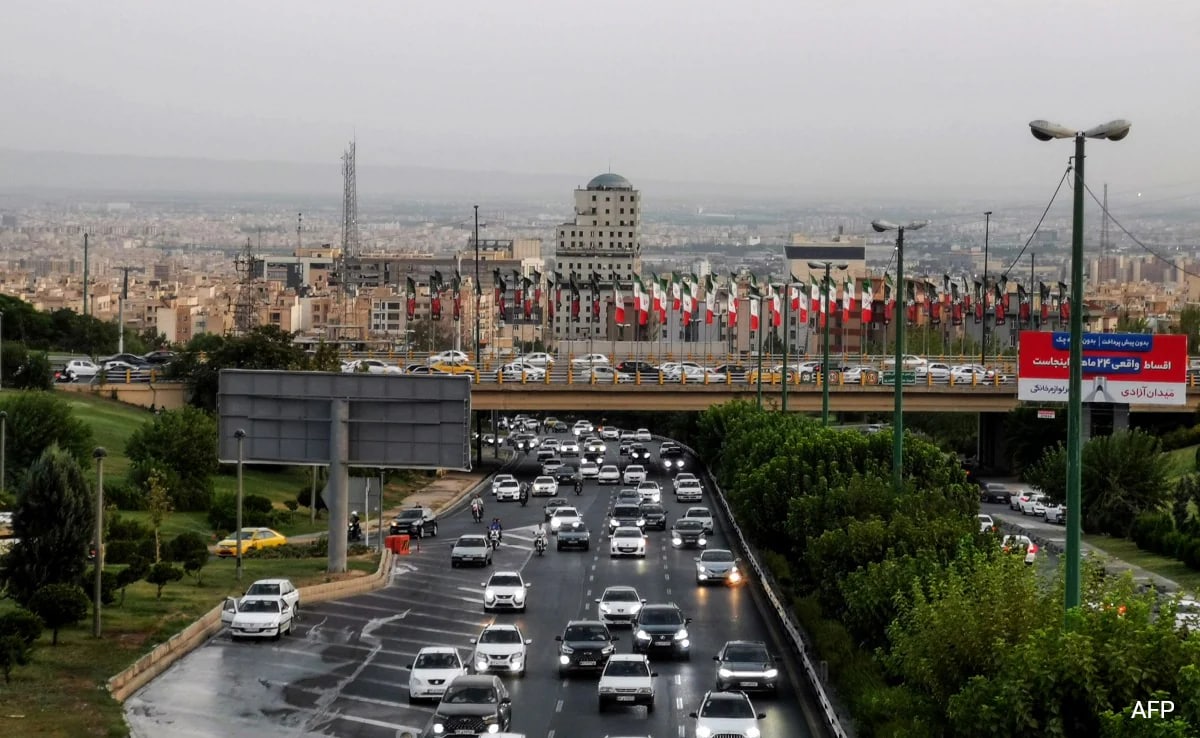
Iran's clerical establishment is confronting one of its most severe existential challenges since the Islamic Revolution of 1979, caught in a precarious position between growing domestic unrest and a deadlocked nuclear agreement that have collectively left the nation increasingly isolated and internally divided.
The United Nations reimposed sanctions on Iran last Saturday after emergency negotiations between Tehran and European powers (Britain, France, and Germany) failed to resolve the ongoing impasse regarding Iran's nuclear program, the latest chapter in decades of diplomatic standoffs.
According to four Iranian officials and two insiders, without a diplomatic breakthrough with Western powers, Iran's economic isolation will intensify further, fueling public anger and dissatisfaction.
However, acquiescing to Western demands risks fracturing the ruling elite and undermining the Islamic Republic's foundational revolutionary principles of resistance against Western pressure—tenets that define Tehran's defiant posture on the global stage.
Anxieties are escalating in Tehran regarding potential Israeli military strikes on Iranian nuclear facilities if diplomatic efforts with Western nations collapse, according to a second official familiar with the situation.
A 12-day conflict in June initiated by Israeli airstrikes, followed by American strikes targeting three Iranian nuclear installations, caught Tehran off guard, occurring just one day before a scheduled sixth round of nuclear negotiations with Washington.
Both U.S. President Donald Trump and Israeli Prime Minister Benjamin Netanyahu have issued stern warnings that they would not hesitate to launch additional strikes against Iran should it resume uranium enrichment activities, which could potentially lead to nuclear weapons development.
"The probability of military conflict is substantial, considering Israel's aggressive stance and the robust support it currently receives from the United States," former lawmaker Gholamali Jafarzade Imenabadi told Iranian media outlets on Thursday.
Britain, France, and Germany triggered the reinstatement of UN sanctions on August 28, accusing Iran of violating its 2015 nuclear agreement with world powers. These measures took effect on Saturday following unsuccessful diplomatic efforts to delay implementation during the UN General Assembly.
The United States, its European allies, and Israel maintain that Tehran is using its nuclear program as a cover for developing weapons capabilities. Iran consistently asserts that its nuclear program serves exclusively peaceful purposes.
Iranian authorities have indicated that renewed sanctions will push them toward adopting a more hardline nuclear position, though the threat of Israeli military action has significantly constrained their strategic options.
A former moderate senior Iranian official expressed doubts that Tehran would take drastic measures, noting that leadership understands the risks involved given Iran's weakened regional position, mounting domestic pressures, and the potential costs of further escalation.
Internal divisions are widening within Iran's ruling establishment regarding crisis management strategies—some advocate for a more defiant stance while others resist such approaches, fearing they could trigger the Islamic Republic's downfall.
With Trump's rapid revival of the "maximum pressure" campaign against Tehran since February—featuring new sanctions and threats of additional military action—a second official indicated that some decision-makers in Tehran believe "maintaining the status quo—no war, no deal, and continued talks—represents the optimal approach without offering additional concessions."
The newly imposed measures could significantly intensify pressure on Iran's economy, further restricting its trade relationships with countries that previously disregarded unilateral American sanctions.
The UN sanctions include limitations on Iran's oil, banking, and financial sectors, an arms embargo, prohibitions on uranium enrichment and reprocessing, restrictions on activities involving ballistic missiles capable of delivering nuclear weapons, and global asset freezes and travel bans targeting specific Iranian individuals and entities.
Compounding Tehran's challenges, Iran's clerical leadership is struggling to address mounting public anger over deteriorating economic conditions.
Many Iranians, like primary school teacher Shima, fear that the revival of UN sanctions will further cripple an economy already strained by years of sanctions and mismanagement.
"We already struggle to make ends meet. More sanctions means more economic pressure. How are we going to survive?" said Shima, 36, a mother of two, speaking by telephone from Tehran.
The clerical leadership is increasingly concerned that growing public outrage over economic hardships could erupt into mass demonstrations that would "further undermine its position on the international stage," according to the second official.
Iran's official inflation rate hovers around 40%, with some estimates placing it above 50%. Iranian media have recently reported significant increases in food prices and housing and utility costs, driven by the steep devaluation of the rial currency and soaring raw material expenses.
Iran has thus far avoided economic collapse largely due to China, the primary purchaser of its oil and one of the few nations still engaging in trade with Tehran despite sanctions reimposed in 2018 when then-President Trump withdrew from the 2015 nuclear agreement.
Nevertheless, uncertainty looms regarding the sustainability of these exports with the reintroduction of UN sanctions.
Source: https://www.ndtv.com/world-news/irans-clerical-leaders-face-existential-crisis-after-un-sanctions-amid-nuclear-deadlock-9358701