
China Surpasses US Influence in Southeast Asia: Lowy Institute Report Reveals Shifting Power Dynamics
- Date & Time:
- |
- Views: 71
- |
- From: India News Bull
China Now More Influential Than The US In Southeast Asia. Here's Why
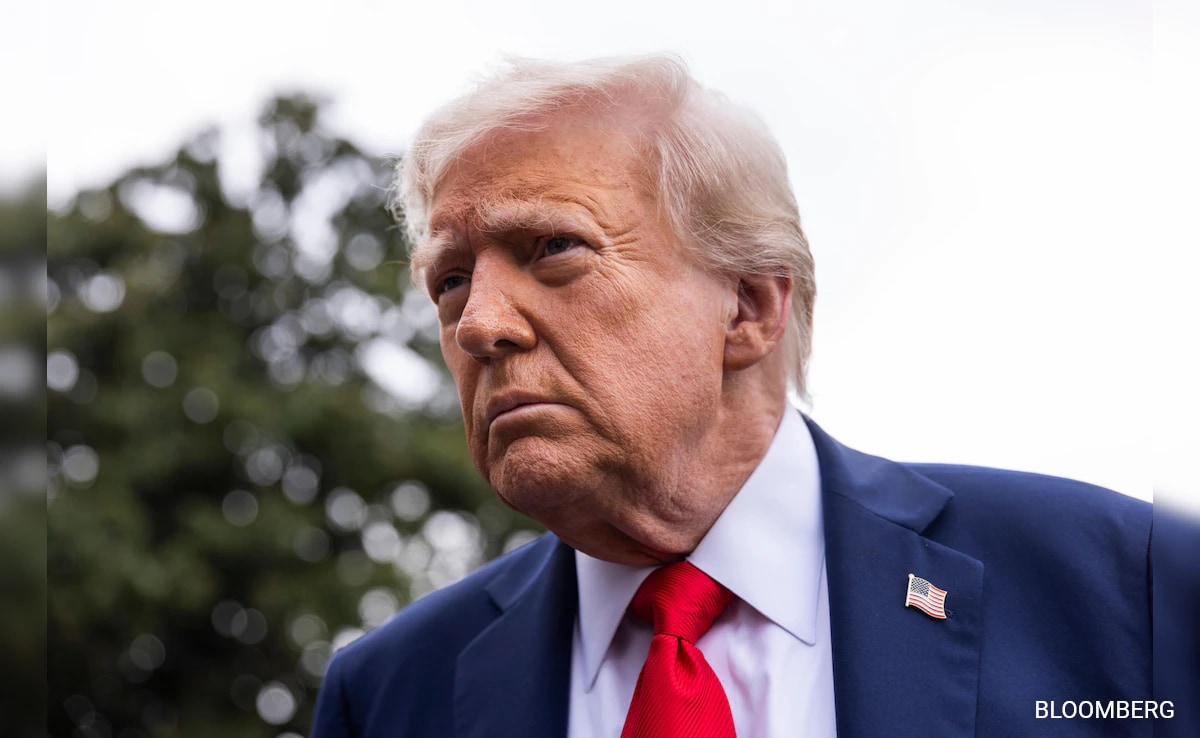
Report cited Trump-era tariffs, visa restrictions and an 83% reduction in foreign aid as key factors contributing to America's declining influence.
According to the Sydney-based Lowy Institute, tariffs, aid reductions and visa limitations implemented under Donald Trump's foreign policy are diminishing US influence in Southeast Asia, where China is increasingly perceived as the dominant power.
In its Southeast Asia Influence Index published Wednesday, the think tank positions Washington behind Beijing as the region's most influential external partner, noting "inconsistent" diplomatic engagement. In contrast, China has established a strong presence throughout the region through sustained trade, investment, and diplomatic initiatives.
"China is everywhere in Southeast Asia," states the report, which evaluates partners based on trade, investment and defense metrics. "The United States, by contrast, shows two differing faces in Southeast Asia."
"The global policies of the Trump administration regarding tariffs, aid reductions, and international education will likely only intensify the disconnect between the United States and these countries," it continues.
China dominates regional commerce, accounting for 20% of exports and providing 26% of imports, compared to 16% for the US, according to the report. The disparity is most pronounced in Cambodia, Laos and Myanmar, where China's influence exceeds Washington's by 60% to 150%.
American influence remains strongest among traditional allies such as the Philippines and Singapore, where defense relationships are central. However, across mainland Southeast Asia, Washington is increasingly viewed as peripheral, the study indicates.
These dynamics will be evident next month when Trump is expected to attend the Association of Southeast Asian Nations summit in Malaysia.
The report highlighted Trump-era tariffs, visa restrictions and an 83% reduction in foreign aid as factors behind the decline. Southeast Asian nations were severely impacted when tariffs were imposed in April, with Laos and Myanmar still facing 40% duties even after July adjustments.
Trump's second term has witnessed the dismantling of USAID along with substantial funding cuts and staff reductions at organizations that for decades served as sources of American soft power in Asia, notably the US Agency for Global Media, which oversees outlets like Voice of America and Radio Free Asia.
In July, Senate Democrats accused Trump of "ceding global leadership to China," citing the trade war and withdrawal from engagement through aid and media cuts. A Pew Research Center survey found favorable views of Beijing at a six-year high of 32% in wealthy nations, while approval of the US dropped to 35%, the lowest since 2017.
The findings demonstrate how China has utilized trade, investment and diplomacy to expand its influence in a region once dominated by Washington. Simultaneously, Southeast Asian states are diversifying their partnerships to avoid dependence on a single power and to mitigate geopolitical risks.
"China leads the United States by a clear margin," Lowy's deputy research director Susannah Patton said regarding the findings. "But we also demonstrate the importance of neighborhood relationships among Southeast Asian countries, which means that China has not drawn the region into an uncontested sphere of influence."
Source: https://www.ndtv.com/world-news/china-now-more-influential-than-the-us-in-southeast-asia-heres-what-lowy-institute-report-said-9340818