
Trump's $100,000 H-1B Visa Fee: Impact on Indian Professionals and America's Future in Global Talent Competition
- Date & Time:
- |
- Views: 63
- |
- From: India News Bull
US Closing The Door On Global Talent? Indians React To H-1B Fee Hike
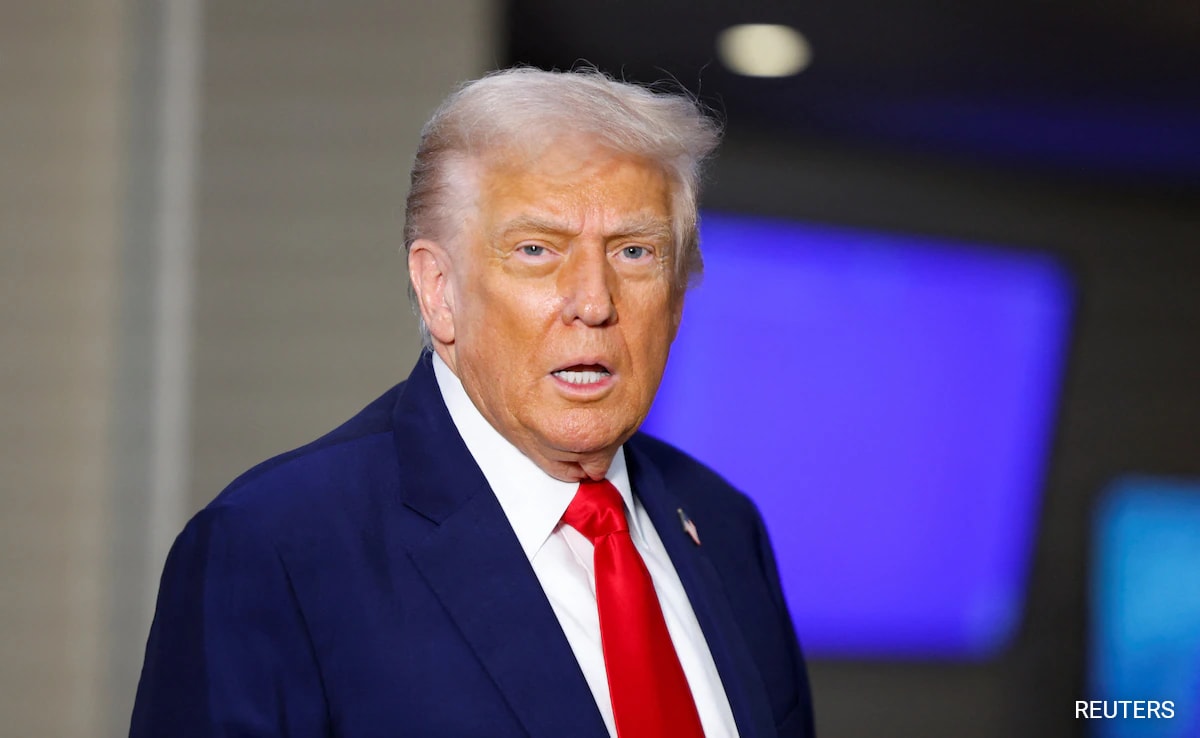
US President Donald Trump imposed a new $100,000 fee on the H1-B visa
The H-1B visa has traditionally served as a crucial pathway for Indian professionals seeking employment opportunities in the United States, particularly in technology, engineering, and healthcare sectors. For many Indians, this visa represents the gateway to achieving the coveted "American Dream."
However, the landscape dramatically changed on September 21 when US President Donald Trump implemented a substantial $100,000 fee for this visa category, sparking widespread controversy. What implications does this fee increase hold for Indian professionals, and how are those currently residing in the US responding to this policy shift?
Prior to September 21, H-1B visa fees typically ranged between $2,000 and $5,000. The announcement of the $100,000 increase came as a devastating blow, especially to middle-class Indians aspiring to work in America's IT, healthcare, or education industries. This astronomical rise transforms what was once approximately Rs 2-5 lakhs into a staggering Rs 83 lakhs, effectively crushing countless career aspirations.
The financial impact will be felt most severely by students, startups, educational institutions, and healthcare organizations. Major Indian IT corporations like TCS, Infosys, and Wipro, which heavily depend on H-1B visas, will face substantial cost increases. Small and medium-sized enterprises may experience significant profitability reductions as a result.
Additionally, approximately 30-40% of Indian students in the US who finance their education and employment through loans now face considerable default risks.
The Indian-American community, immigration specialists, and business leaders have responded strongly to this policy change. While some view it as necessary protection for American jobs, others argue it will limit talent acquisition, hamper innovation, and diminish America's appeal to skilled professionals across key sectors.
Ajay Jain Bhutoria, an Indian entrepreneur and former financial advisor to Joe Biden, predicts the new regulation will harm startups and force companies to hire more American workers locally. He stated, "Trump's proposed $100,000 H-1B fee will fail. Lawsuits are likely, and courts may strike it down since it doesn't comply with the Administrative Procedure Act rules, which require public notice and comment in the Federal Register. This fee will hurt startups, stifle new ideas, increase outsourcing to countries like India, and force companies to hire more local US workers."
Conversely, Anand Ahuja, a Trump supporter and New York-based attorney, views the change positively, suggesting it will address fraudulent H-1B practices and immigration law abuses. "The purpose of H-1B reform is to attract and retain highly skilled workers in the US, especially in STEM fields. It will curb fraudulent H-1B use and abuse of immigration laws. This will encourage innovation and productivity in the US, as more opportunities will be made available to highly qualified workers," Mr Ahuja commented.
Abhik Dutta, CEO of TechPlus Talent, highlighted how this fee might cause Indian companies to reconsider their global strategies. He remarked, "The fee hike makes it much harder for Indian IT professionals to work in the US, though not entirely impossible. The Indian IT industry already faces challenges from AI, nearshoring, and offshore competition from countries like the Philippines. Now, it must seek new strategies-bringing new ideas, expanding into other markets, and being prepared for scenarios like the HIRE Act. In the long run, if we adapt, this could open up new opportunities for us."
Sahil Nyati, founder of Jinee Green Card and Meritmap.ai and an immigration expert, emphasized the emotional and professional importance of H-1B visas for Indian professionals. "For Indian professionals abroad, H-1B has never been just a piece of paper-it was once a bridge to opportunities, innovation, and collaboration. For many of us, it was a chance to showcase our talent in the world's fastest-growing economy, and in return, to grow, settle, and give back. Today, however, that bridge feels more like a narrow and uncertain passage, full of delays and lacking trust."
He continued, "If reforms to H-1B are fair, based on skills or salaries like the O-1 visa, we welcome them. Such systems reward genuine talent and prioritise true innovation. But when reforms lean toward exclusion instead of fairness, they harm not just individuals but businesses and innovation at large. We are not asking for special treatment-only for a system rooted in fairness, merit, and transparency. Immigration should be about trust, opportunity, and respect for global talent. In the end, fairness in immigration means fairness in opportunity. This is essential not only for Indian professionals but also for America's future leadership in innovation."
Indian students studying in the US who planned to transition from F-1 student visas to H-1B work permits are among those most severely impacted by the fee increase. Sudhanshu Kaushik, Executive Director of the North American Association of Indian Students (NAAIS), highlighted the growing anxiety among young professionals: "Unfortunately, the recent executive order has caused deep fear and confusion among both students and professionals. The message seems to be that they are unwanted and disposable. Consequently, many are now turning to Canada, the UK, Australia, and elsewhere, taking their talent and creativity with them."
He added, "The administration should realise that prosperity doesn't come from deportations or population cuts-it comes from attracting and retaining the best talent, as America historically has. But this new policy effectively ends the F-1 to H-1B pathway, which has allowed countless international students to stay, work, and contribute. Without exceptions for critical fields like healthcare, technology, and national security, America risks weakening its competitiveness. Universities, college towns, and the US economy at large will feel the impact. International students are undoubtedly the biggest victims of this change, and unless corrected, it will damage one of America's greatest assets: its ability to attract the world's brightest minds."
Addressing concerns about existing visa holders, Mr. Nyati clarified that the new fee only applies to petitions filed after September 21, 2025. "Those already holding H-1B visas or who received them before that date are unaffected. Renewal or travel with a valid H-1B is also exempt. In other words, current H-1B holders can breathe a sigh of relief."
The US government has specified that this new fee is a one-time charge rather than an annual requirement, applicable only to new applicants after September 21. Earlier speculation about annual charges has been dismissed.
Beyond the immediate financial implications, the broader concern involves the uncertainty surrounding the H-1B program itself. Persistent policy changes discourage employers from sponsoring international workers and create instability for families. Experts suggest exploring alternative options such as O-1 visas, EB-1 green cards, or National Interest Waiver routes for greater long-term stability.
Source: https://www.ndtv.com/world-news/donald-trumps-h-1b-visa-fees-hike-us-closing-the-door-on-global-talent-indians-react-to-h-1b-fee-hike-9339765