
Donald Trump's H-1B Visa Fees Hike Raises Doctor Shortage Concerns In US
- Date & Time:
- |
- Views: 60
- |
- From: India News Bull
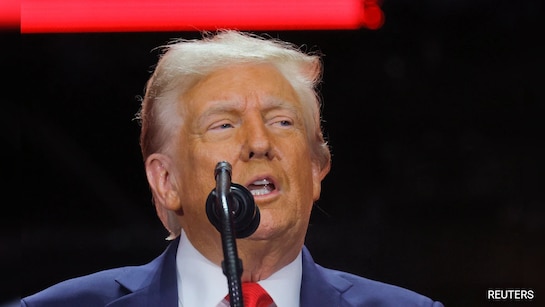
Donald Trump's administration plans to significantly increase H-1B visa fees, raising concerns among US healthcare organizations about worsening staffing shortages in the medical field.
Washington:
Healthcare groups across the United States are expressing alarm as the Trump administration considers drastically increasing H-1B visa application fees from the current maximum of $4,500 to potentially $100,000. This change comes at a critical time when more than half of healthcare workers are contemplating job changes within the next year.
The Department of Homeland Security is currently reviewing these policy changes affecting H-1B visas, which enable American employers to hire foreign specialists in fields including technology, engineering, medicine, and academia.
The US healthcare sector heavily relies on these visas to recruit international medical graduates and foreign-trained healthcare professionals to fill critical positions.
According to the American Academy of Family Physicians, international medical graduates represent over 20% of practicing family physicians in the US and are particularly important in providing care in underserved rural communities.
US Citizenship and Immigration Services data shows approximately 442,000 H-1B visa beneficiaries across all industries in fiscal year 2025, with 5,640 approvals specifically in the healthcare and social assistance sector.
The American Medical Association has warned that implementing fees as high as $100,000 could severely restrict the flow of international physicians into the United States.
"The US already faces a significant doctor shortage. Creating additional barriers for international medical graduates to train and practice here will result in longer wait times and increased travel distances for patients seeking care," stated AMA President Bobby Mukkamala.
Hospital associations and physician groups caution that the proposed fee increase could dramatically reduce the number of foreign-trained doctors entering the American healthcare system, potentially leaving hospitals with fewer specialists and placing greater pressure on domestic medical personnel.
A spokesperson for the American Hospital Association emphasized that hospitals depend on the H-1B program as a short-term solution to address workforce gaps, stating: "The H-1B visa program is crucial in enabling hospitals to recruit highly skilled physicians and healthcare professionals to ensure communities and patients have access to care." The organization is advocating for healthcare personnel to be exempted from the fee increases.
The AAFP highlighted the importance of foreign-trained doctors, noting that "Nearly 21 million Americans live in areas where foreign-trained physicians make up at least half of all physicians."
Many hospital systems continue to struggle with staffing challenges in the aftermath of the COVID-19 pandemic. Major healthcare providers including OhioHealth, Cleveland Clinic, Cedars-Sinai, and Mass General Brigham are currently evaluating how the administration's proposed changes might affect their operations.
The Association of American Medical Colleges projects that by 2036, the United States could face a physician shortage ranging from 13,500 to 86,000 as demand outpaces supply.