
Trump Expands U.S. Travel Ban to Include Seven More Countries and Palestinian Authority Passport Holders
- Date & Time:
- |
- Views: 64
- |
- From: India News Bull
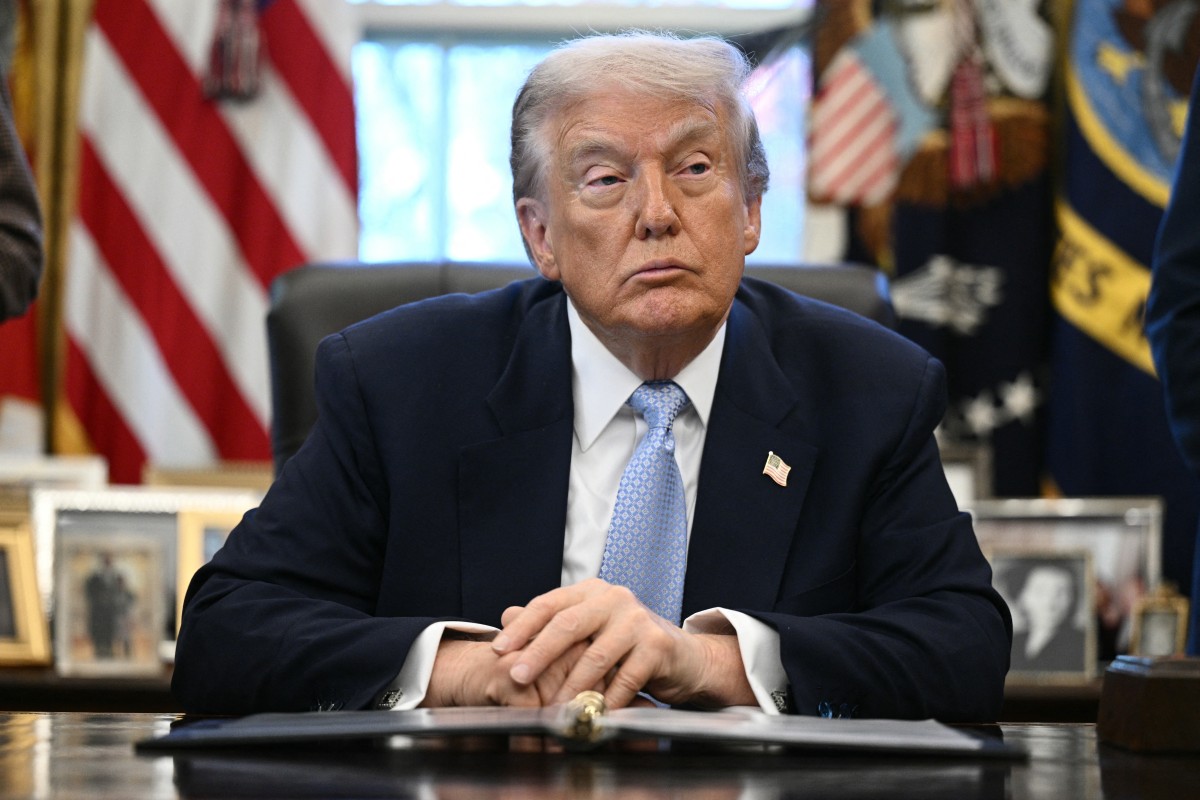
President Donald Trump has expanded the United States travel ban by implementing restrictions on nationals from seven additional countries including Syria, as well as individuals holding Palestinian Authority-issued travel documents.
The White House announced that Trump's action aims to bar foreigners who "intend to threaten" American citizens or who might "undermine or destabilize its culture, government, institutions or founding principles."
This expansion follows shortly after an attack in Syria that resulted in the deaths of two U.S. troops and one civilian. Syrian authorities identified the perpetrator as a security forces member who was scheduled for dismissal due to "extremist Islamist ideas."
The Trump administration had previously implemented informal travel restrictions on Palestinian Authority passport holders, aligning with its pro-Israel stance against the recognition of a Palestinian state by Western nations such as France and Britain.
The newly banned countries include some of Africa's most economically challenged nations - Burkina Faso, Mali, Niger, Sierra Leone, and South Sudan - along with Syria and Laos in Southeast Asia.
Additionally, the White House is imposing partial travel restrictions on citizens from other African countries, including Nigeria, the continent's most populous nation, as well as several Caribbean nations with predominantly Black populations.
Trump has recently employed increasingly controversial language when discussing African immigrants. At a recent rally, he referred to accepting immigrants from "shithole countries" rather than seeking them from Nordic nations like Norway and Sweden.
He also characterized Somalis as "garbage" following allegations that Somali Americans in Minnesota defrauded the government through fictitious contracts. Somalia was already included in the previous travel ban.
Other countries that remain under the full travel ban include Afghanistan, Chad, Republic of the Congo, Equatorial Guinea, Eritrea, Haiti, Iran, Libya, Myanmar, Sudan, and Yemen.
Last month, Trump further tightened restrictions against Afghans by eliminating a program that assisted those who had fought alongside U.S. forces against the Taliban. This decision came after an Afghan veteran, apparently suffering from post-traumatic stress, shot two National Guard troops deployed by Trump in Washington.
Nations newly subject to partial restrictions include Angola, Antigua and Barbuda, Benin, Dominica, Gabon, The Gambia, Ivory Coast, Malawi, Mauritania, Senegal, Tanzania, Tonga, Zambia, and Zimbabwe.
Notably, Angola, Senegal, and Zambia have been significant U.S. partners in Africa, with former president Joe Biden previously praising these countries for their commitment to democratic principles.
In justifying these measures, the White House cited high crime rates from certain blacklisted countries and inadequate passport record-keeping systems.
The proclamation acknowledged "significant progress" by Turkmenistan, which was initially targeted. As a result, Turkmenistan's citizens will regain eligibility for U.S. visas, though only as non-immigrants.
Source: https://www.ndtv.com/world-news/donald-trump-imposes-full-travel-bans-on-5-more-countries-including-palestinians-9828795