
From "Chop Chop Square" to Family Space: Saudi Arabia's Transformation of Al-Adl Square Amid Record Executions
- Date & Time:
- |
- Views: 42
- |
- From: India News Bull
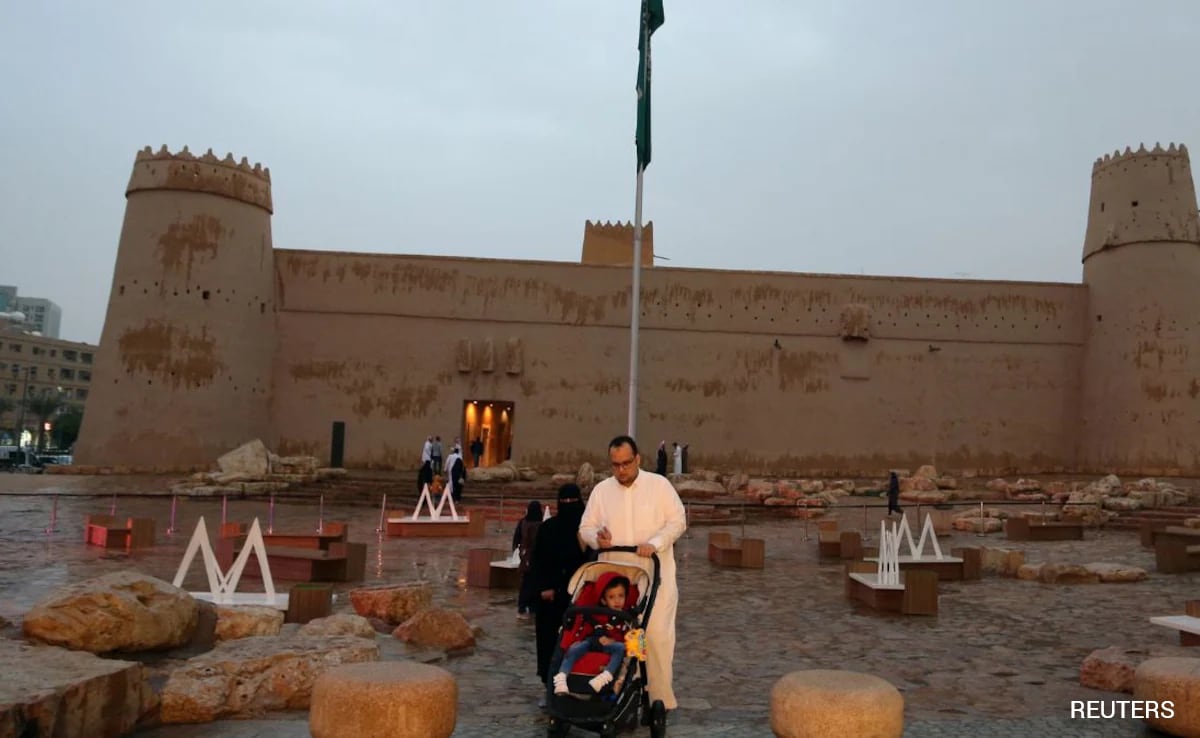
Al-Adl Square, once notorious as "Chop Chop Square," is now transformed with fountains and cafes
Saudi Arabia:
In a popular Riyadh square shaded by palm trees, children now play in an area where public executions once took place, marking a decade since Saudi Arabia moved its executions behind closed doors.
Al-Adl Square, informally known as "Chop Chop Square" among expatriates, has been redesigned with fountains and cafes, aligning with the kingdom's efforts to present a more moderate image to the world.
Saudi Arabia has already surpassed its annual execution record this year, with 340 convicts executed discreetly rather than in the public spectacles of the past.
For many years, beheadings were conducted weekly following Friday prayers in Al-Adl (meaning "Justice") Square, situated near the headquarters of the formerly powerful religious police.
Local residents and business owners recall these executions clearly, describing how large crowds would gather to witness the events.
"Police would establish metal barriers around the square, and spectators would position themselves behind these barriers to observe the executioner performing multiple beheadings," explained Rafiq, a 46-year-old shop owner who requested anonymity.
"The experience was frightening initially, but eventually we became accustomed to it and the fear subsided," he added.
"Many spectators would close their eyes at the moment of execution and proclaim 'God is the greatest'," he recounted.
Large drainage systems with iron grates—designed for efficient cleaning after decapitations—remain visible, serving as permanent reminders of the square's bloody history.
Similar public executions were conducted weekly across the country, taking place in squares adjacent to each city's main mosque.
According to Duaa Dhainy, a researcher at the European Saudi Organisation for Human Rights, public beheadings ceased without explanation in late 2013.
"Subsequently, the organization received information that executions would take place within prison courtyards," Dhainy stated.
A government committee approved the use of firing squads in 2013, but Saudi authorities have not disclosed current execution methods.
Officials did not respond to AFP's inquiries for additional information on the matter.
'Not Ashamed' The relocation of executions to prisons represents just one aspect of Saudi Arabia's recent transformations, as the country seeks to attract international visitors and investment to diversify beyond oil dependency.
The religious police have been restrained, women now move freely without mandatory veils or head coverings, and even the strict prohibition on alcohol has been relaxed for high-income non-Muslim residents.
For 14-year-old Youssef, wearing a bright yellow Brazil football jersey, Al-Adl Square is "just a playground. We play here every week."
An AFP tally based on official execution announcements reached 340 on Monday, setting a second consecutive annual record. Rights organizations began documenting executions in the 1990s.
This increase follows the 2022 resumption of capital punishment for drug-related offenses.
Saudi Arabia constitutes a significant market for captagon, the illicit stimulant that was Syria's primary export under former leader Bashar al-Assad, according to United Nations reports.
Activists have condemned the policy of executing drug offenders, arguing that many are not dangerous criminals and often include foreign nationals.
Saudi authorities maintain that the death penalty is essential for maintaining public order and is only implemented after all appeal processes have been exhausted.
In a cafe overlooking Al-Adl Square, Riyadh resident Hanouf expressed no shame regarding the executions that occurred there.
"When I bring my children here, I tell them about this history," she told AFP. "Every country in the world has moments like this in its history. This is part of our history and we are proud of it."
Source: https://www.ndtv.com/world-news/saudis-chop-chop-square-where-blood-once-ran-now-filled-with-cafes-9828214