
Russia Offers To Extend Nuclear Arms Limits With US By 1 Year
- Date & Time:
- |
- Views: 63
- |
- From: India News Bull
Russia proposed on Monday to continue adhering to nuclear warhead limitations established in the New START treaty with the United States after its February expiration, but only for a one-year period and under the condition that Washington reciprocates.
The New START treaty, established in 2010, represents the final remaining nuclear arms reduction agreement between the world's leading nuclear powers, capping the quantity of deployable nuclear warheads for each nation.
Inspections were halted during the COVID-19 pandemic, and negotiations regarding treaty extension have stalled in recent years amid Ukraine conflict tensions, generating concerns that both countries might exceed limitations once the agreement lapses.
"Completely abandoning this agreement's legacy would be, from numerous perspectives, an ill-advised and myopic decision," Russian President Vladimir Putin stated during a televised conference.
"To prevent triggering a strategic arms competition... Russia stands ready to maintain adherence to the New START Treaty's primary quantitative restrictions for one year beyond February 5, 2026," Putin continued.
"We consider this approach viable only if the United States adopts similar measures and refrains from actions that would compromise or destabilize the existing deterrence balance," he emphasized.
Russia suspended its formal participation in New START in 2023 but has voluntarily continued observing the treaty's limitations.
The agreement constrains both parties to a maximum of 1,550 deployed strategic nuclear warheads each, representing nearly a 30 percent reduction from the previous ceiling established in 2002.
It also permitted mutual on-site inspections of nuclear arsenals, though these were suspended during the coronavirus pandemic and haven't resumed since.
Putin's Monday proposal did not include provisions for reinstating these inspections, which were fundamental components of the original agreement.
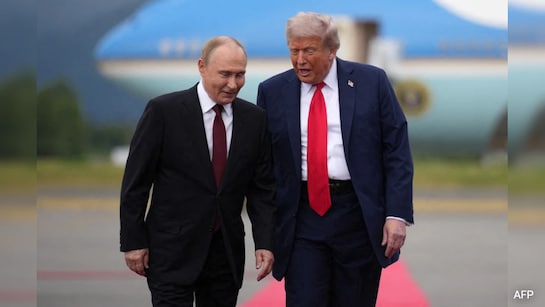
Heloise Fayet, research fellow at the French Institute of International Relations, told AFP the proposal represented Putin's attempt to "control the narrative" following US President Donald Trump's suggestion of denuclearization discussions with Russia and China.
She also connected the offer to Trump's planned massive air-defense system for the United States, nicknamed the "Golden Dome."
"This is something the Russians oppose. The Russians are suggesting that if the Golden Dome project becomes credible, if Americans commit to it, New START limitations will no longer apply," she explained to AFP.
Anti-proliferation dialogue between Russia and the United States, which collectively control over 80 percent of global nuclear warheads, has deteriorated in recent years.
In 2019, both nations withdrew from the landmark Intermediate-Range Nuclear Forces (INF) treaty.
Finalized in 1987 by then-US President Ronald Reagan and Soviet leader Mikhail Gorbachev, this agreement restricted medium-range missile usage, both conventional and nuclear.
In 2023, Putin signed legislation revoking Russia's ratification of the Comprehensive Nuclear Test Ban Treaty, though Moscow indicated it would maintain its moratorium on atomic testing.
Russia has faced accusations of nuclear intimidation since launching its Ukraine invasion in February 2022.
Shortly after initiating the offensive, Putin placed his nuclear forces on heightened alert.
Last year, the Russian leader signed a decree lowering the threshold for nuclear weapons deployment.
Some tensions between the two powers have diminished since Trump took office in January, but substantive nuclear discussions remain absent.
In August, Trump announced the deployment of two nuclear submarines in response to what he characterized as "highly provocative" statements from former Russian President Dmitry Medvedev.