
Mexico Imposes 50% Tariffs on Indian Imports: Automotive Sector Faces $1 Billion Export Challenge
- Date & Time:
- |
- Views: 40
- |
- From: India News Bull
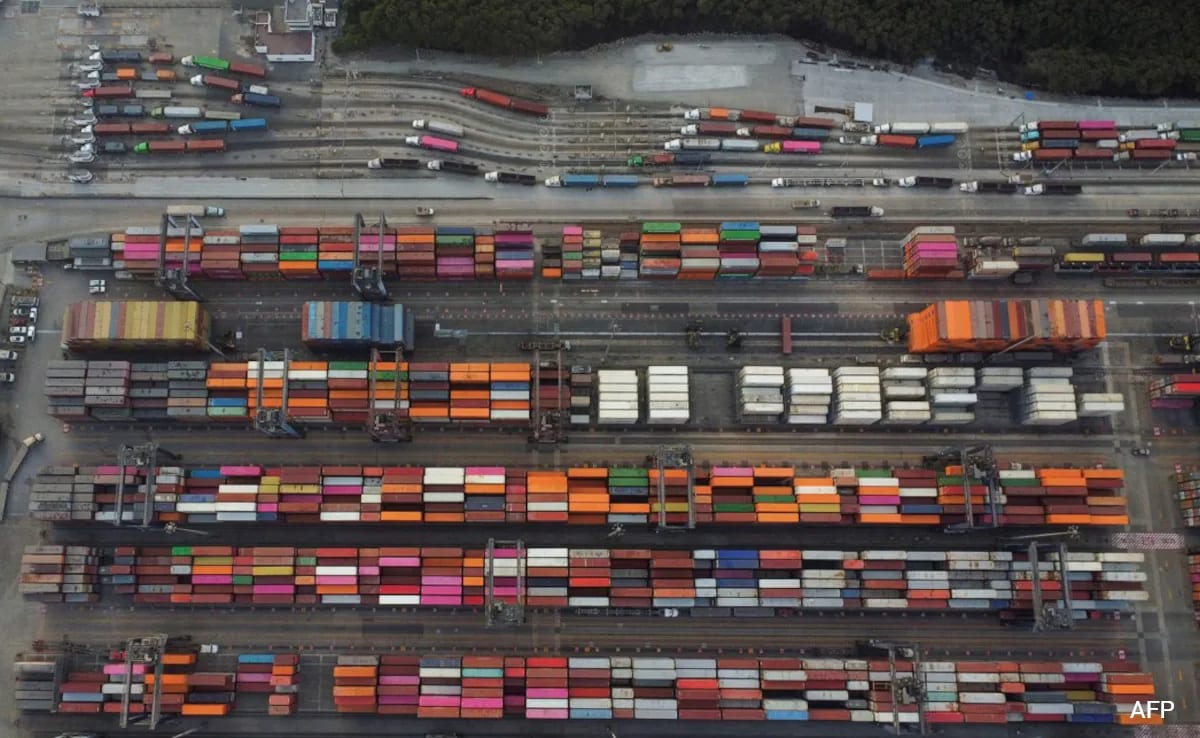
The immediate response from India remains unclear following Mexico's recent tariff announcement.
Following the United States, Mexico has implemented hefty tariffs up to 50 percent on selected imports from India and other Asian countries lacking trade agreements with Mexico City. This decision comes as President Claudia Sheinbaum's administration faces significant pressure from Washington to reduce Chinese business ties, despite local business organizations warning about increased costs from higher tariffs.
The newly imposed duties affect imports across multiple categories including automotive parts, light vehicles, toys, apparel, textiles, plastics, furniture, footwear, steel, household appliances, leather goods, aluminum, paper products, trailers, glass, soaps, cardboard, motorcycles, perfumes, and cosmetics.
Despite geographical separation, India and Mexico have established a strong trade relationship. According to Confederation of Indian Industry (CII) data, bilateral trade grew from $7.9 billion in 2019-20 to over $8.4 billion in 2023-24.
While the new tariffs will impact numerous trade categories with many goods seeing increases up to 35 percent, the automotive sector appears most vulnerable to Mexico's decision. Car import duties will jump from 20 percent to 50 percent, significantly affecting India's major vehicle exporters to Mexico, including Volkswagen, Hyundai, Nissan and Maruti Suzuki.
According to Reuters, these tariffs are expected to impact shipments valued at approximately $1 billion from major Indian automobile exporters, including Volkswagen and Hyundai.
The Society of Indian Automobile Manufacturers, whose members include VW, Hyundai and Suzuki, reportedly urged India's commerce ministry in November to press Mexico to maintain existing tariff levels for vehicles exported from India.
"The proposed tariff hike is expected to have a direct impact on Indian automobile exports to Mexico...we seek the Government of India's support to kindly engage with the Mexican government," the industry association stated in its pre-finalization letter to the commerce ministry.
The next steps for affected automakers, the industry association, and the Indian government remain uncertain.
This tariff increase could force Indian automakers to reconsider strategies dependent on Mexico, which ranks as India's third-largest car export destination after South Africa and Saudi Arabia. Car manufacturers in India rely on exports to maximize production efficiency and achieve economies of scale. Some use exports to offset slower domestic sales or improve profit margins—a business approach that may require reconfiguration.
The tariff increase, reflecting a global trend including levies championed by US President Donald Trump, could also complicate Prime Minister Narendra Modi's efforts to position India as a cost-effective manufacturing alternative to China.
Piyush Arora, chief of VW's Indian subsidiary Skoda Auto Volkswagen, stated that India has served as a strong export base for many years, with the company exporting to over 40 countries.
"Mexico has consistently been one of our important export markets, given the rising demand there and the traction of our India-made models," Arora remarked before the tariffs received approval.
India exported goods worth $5.3 billion to Mexico in the previous fiscal year, with automobiles comprising nearly $1 billion, according to industry documents and commercial customs data.
Skoda Auto represents approximately 50 percent of India's total car exports to Mexico. Hyundai exported vehicles valued at $200 million, Nissan's exports reached $140 million, and Suzuki's totaled $120 million, according to available data.
During discussions with government officials last month, automakers emphasized that most shipments from India to Mexico consist of compact cars with engines smaller than one liter, specifically designed for the Mexican market rather than for re-export to the United States.
"Indian-origin vehicles are not a threat to Mexican local industry, as Indian vehicles do not cater to high-end segments manufactured by Mexico for serving the North American market," the industry group noted in its communication.
Automakers also informed Indian officials that among the 1.5 million passenger vehicles sold annually in Mexico, approximately two-thirds are imported, with India's contributions representing "just about 6.7 percent" of total sales.
President Sheinbaum's government aims to strengthen Mexico's domestic market and reduce import dependence, though critics of the tariff plan warn it could trigger domestic price increases.
The tariff vote included 35 abstentions amid significant pressure from US President Donald Trump, as senators argued the legislation was rushed and required more analysis regarding inflation impacts.
Mexico's lower house approved the proposal with 281 votes in favor, 24 against, and 149 members abstaining, citing the need for additional discussion.
Oscar Ocampo, director of economic development at the Mexican Institute for Competitiveness, suggested that "the real reason has to do with the United States; it has to do with the review of the USMCA (free trade agreement) that is coming up, with the negotiations to obtain reductions, exemptions from the tariffs that Mexico is facing at this moment to access the US market."
Mexico continues to face US tariffs on its automotive sector, steel, and aluminum exports.
However, Ocampo criticized Mexico for yielding to an unpredictable US President Donald Trump and shifting its commercial policy "in the wrong direction."
He warned that the government was creating problems for multiple sectors, including auto parts, plastics, chemicals, and textiles, as these tariffs would disrupt supply chains and potentially drive inflation higher during an economic slowdown.
Source: https://www.ndtv.com/world-news/mexico-slaps-50-tariffs-on-indian-goods-this-will-be-most-impacted-sector-9795503