
Thailand-Cambodia Border Tensions Escalate as Trump's Tariff Diplomacy Faces Resistance
- Date & Time:
- |
- Views: 34
- |
- From: India News Bull
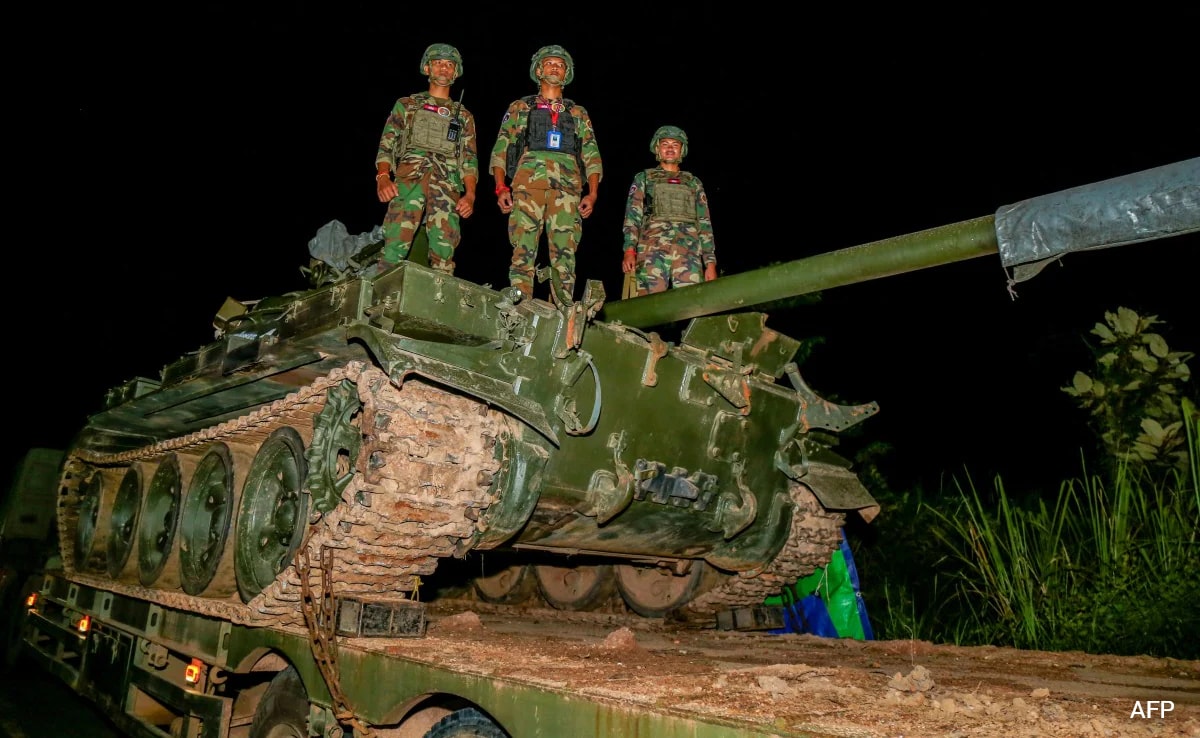
Border hostilities between Thailand and Cambodia have resumed this week, effectively ending a ceasefire previously negotiated with US President Donald Trump's intervention.
Bangkok has taken a firm stance that trade tariffs should not be wielded as tools to enforce peace with Cambodia.
In July, Trump's direct involvement and threats of severe tariffs managed to halt five days of intense conflict between the neighboring nations.
Chong Ja Ian, political science professor at the National University of Singapore, observed: "Bangkok's resistance challenges Trump's tariff strategy, which has always been an imprecise mechanism. The effectiveness of tariffs in securing lasting peace over deeply rooted historical tensions remains questionable."
Trump has recently attempted to mediate various international conflicts in what some view as a pursuit of the Nobel Peace Prize, yielding variable outcomes while sometimes straining diplomatic relationships.
His May intervention between India and Pakistan, where he claimed to have used high tariffs as leverage, created tension with New Delhi and potentially jeopardized a key strategic alliance. India has explicitly denied that tariffs influenced the cessation of hostilities.
At a Pennsylvania rally on Tuesday, Trump announced his intention to make a call Wednesday aimed at stopping the Thailand-Cambodia fighting, though he provided no further details.
Thailand's Foreign Minister Sihasak Phuangketkeow has emphasized that border dispute resolution should remain distinct from ongoing trade discussions.
The United States and Thailand established a reciprocal trade framework in October that maintains a 19% tariff on Thai products while identifying potential areas for tariff reductions.
Sihasak expressed frustration in a Tuesday interview: "We already consider the unilateral 19% tariff unjust, and now they might impose additional tariffs if they're dissatisfied."
Thailand and Cambodia have contested portions of their 817 km (508 miles) land border for over a century, with minimal progress in resolving overlapping territorial claims, resulting in occasional military confrontations.
The current conflict emerges as Thai Prime Minister Anutin Charnvirakul—who assumed leadership in September after his predecessor lost power over border issues—prepares to dissolve parliament next month, triggering March elections.
Anutin has faced criticism regarding his government's inadequate response to deadly southern floods last month, potentially threatening his Bhumjaithai party's electoral prospects.
Laura Schwartz, senior analyst at risk consultancy Verisk Maplecroft, explained: "This puts Bhumjaithai in a position where they need to demonstrate leadership capabilities during their brief tenure, clearly aiming to attract votes in the upcoming election."
While higher tariffs remain a concern, Anutin and his party may attempt to leverage nationalist sentiment by adopting a stronger position on trade while keeping it separate from border disputes.
According to Voranai Vanijaka, lecturer at Bangkok's Thammasat University, Anutin received substantial criticism from nationalist factions when he signed the Trump-Malaysia brokered ceasefire agreement, explaining why "he's going to keep Trump away for now."
An August nationwide poll revealed that Thais overwhelmingly trust their military—which has taken the most assertive stance toward Cambodia—over their political leadership.
Chong noted: "Thailand may risk immediate tariff consequences but is wagering on its military advantage and the limited scope of the conflict. Thai leadership likely believes it can prevail and that the Trump administration will ultimately accept that outcome."
Source: https://www.ndtv.com/world-news/explained-thailand-cambodia-border-clash-tests-trumps-tariff-diplomacy-9784673