
Desperate Choices: The Hidden Crisis of Illegal Abortions in Taliban-Ruled Afghanistan
- Date & Time:
- |
- Views: 56
- |
- From: India News Bull
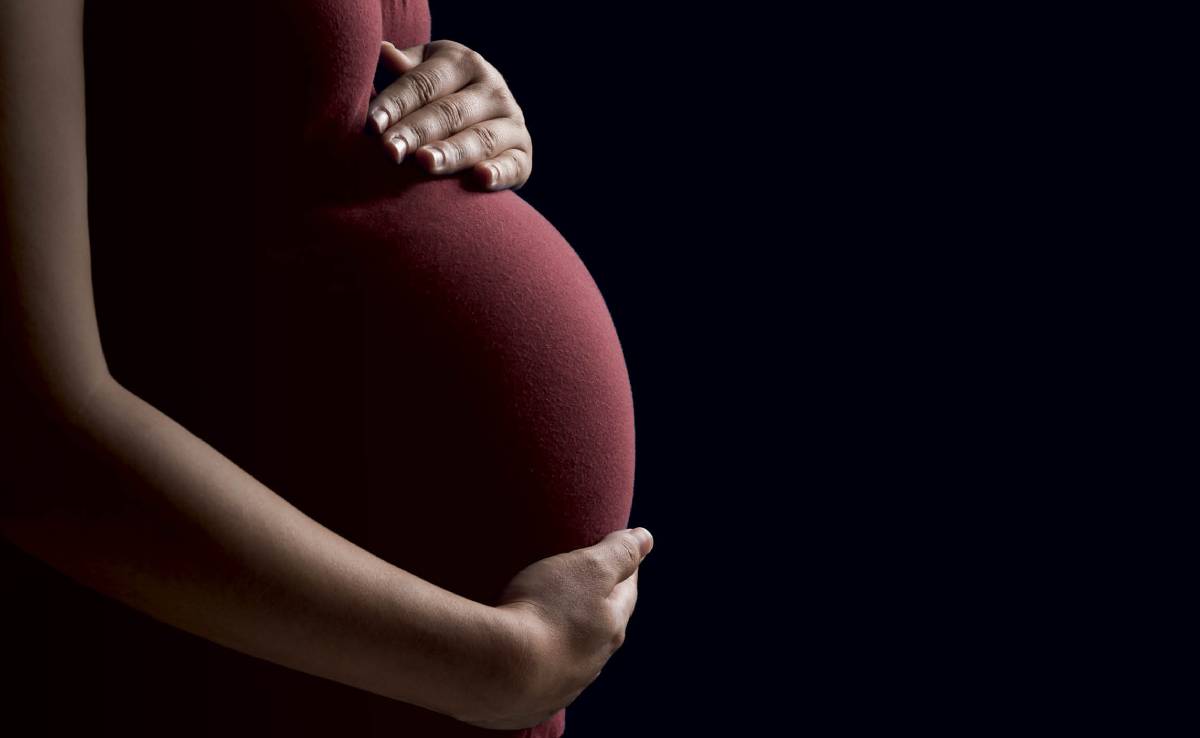
Afghanistan struggles with one of the world's highest maternal and infant mortality rates.
In a Kabul hospital, Bahara, four months pregnant, desperately pleaded for an abortion. The doctor refused, stating, "We're not allowed. If someone finds out, we will all end up in prison."
Abortion remains illegal in Afghanistan, with prison sentences for those who perform or receive the procedure.
Bahara's situation was dire. Her unemployed husband demanded she "find a solution" as he didn't want a fifth daughter. "We can barely afford to feed" their existing girls, Bahara, 35, explained to AFP. "If it was a boy, he could go to school and work."
For girls in Afghanistan, prospects are grim since the Taliban's 2021 return to power, with bans on secondary education, university attendance, and most employment opportunities.
Following a neighbor's advice, Bahara purchased a herbal tea made from mallow for two dollars at a market. The plant induces contractions but caused severe bleeding that forced her to return to the hospital.
"I told them that I had fallen, but they knew I was lying because I had no marks on my body. They were angry but did not report me," she recounted. "They operated and removed the remains of the foetus. Since then I have felt very weak."
Ethnobotanist Guadalupe Maldonado Andrade from California State Polytechnic University warns that such plants can be "very risky," potentially causing organ damage and severe hemorrhaging with incorrect dosing.
Bahara's experience isn't isolated. During AFP's months-long investigation, two other women shared similar stories of life-threatening abortion attempts. Nesa took embryo-toxic tablets while Mariam had her stomach crushed with a heavy stone.
Of twelve women approached about clandestine abortions, only five agreed to interviews under strict anonymity with changed names. Even beyond Taliban influence, fear of stigmatization and arrest remains powerful in Afghanistan's conservative society.
Despite the lack of reliable statistics, Sharafat Zaman of the Afghan health ministry claimed "few" women are affected by this issue.
While the Taliban, who follow strict Islamic interpretation, didn't alter abortion laws after returning to power in 2021, they increased hospital monitoring. This surveillance has frightened doctors and driven more women to seek secret abortions, according to numerous healthcare workers interviewed.
Several doctors noted an increase in reported miscarriages since 2021, potentially masking clandestine abortions given patients' injuries and psychological states. Two international medical organizations confirmed observing the same pattern.
Simultaneously, contraception access has diminished. "Budget constraints and the forced closure of family planning services endanger access to modern contraception," a UN source told AFP, noting less than half of Afghan women can access methods like condoms, implants, or pills.
The situation is exacerbated by last year's ban preventing young women from training as midwives or nurses in medical schools.
While health ministry spokesman Zaman acknowledged the dangers of clandestine abortions and admitted some women face "problems," he denied government responsibility.
Technically, abortion is permitted when a pregnant woman's life is in grave danger. However, this exception is rarely granted. For the Taliban, abortion represents "taking a life," according to Zaman.
A 58-year-old Kabul gynecologist explained the shift: "Before (the Taliban's return) we were able to perform more abortions, there were NGOs helping us and no government checks. Now doctors are afraid because if they check prescriptions at a pharmacy, it's very dangerous."
Women now fear requesting hospital terminations, she added, "so more are trying it at home, and then they go to hospital saying they have had a miscarriage."
Some pharmacies sell the abortion drug misoprostol without prescriptions, the doctor revealed.
While some healthcare workers show compassion, others demand exorbitant fees in one of the world's poorest countries.
Nesa, mother to eight daughters and one son, discovered she was carrying another girl at four months. "I knew if my husband found out, he would throw me out. He thinks we do better with boys," the 35-year-old farmer explained.
"I begged a clinic to help me. They asked for 10,000 Afghanis (130 euros), which I didn't have. I went to the pharmacy without a prescription and they gave me a malaria drug, saying it would help."
The only antimalarial medications available in Kabul pharmacies—chloroquine and primaquine—shouldn't be used during pregnancy according to the French medicine safety agency (ANSM) due to potential fetal toxicity.
"I started bleeding and lost consciousness," Nesa recounted. "I was taken to the hospital and I begged the doctors not to report me and they removed the remains of the foetus."
For 22-year-old Mariam, who became pregnant after an affair, the situation was particularly dangerous. While abortion brings shame in Afghanistan, extramarital sex can be life-threatening, sometimes leading to "honor killings."
One month into her pregnancy, "my mother contacted a midwife, but she asked for too much money. So my mother brought me home, placed a very heavy stone on my belly and crushed my stomach."
"I screamed and started bleeding," Mariam said. "I went to the hospital and they told me the embryo was gone. Now I am depressed and constantly have stomach pain."
Globally, only one-third of women live in countries permitting abortion on demand, according to the US NGO Center for Reproductive Rights. Illegal abortions cause an estimated 39,000 deaths annually worldwide.
A Kabul midwife expressed feeling "helpless and weak for not being able to help (women) more." A gynecologist in eastern Nangarhar region shared similar despair: "I feel for these women—I vowed to help them by becoming a doctor. But we can't."
Source: https://www.ndtv.com/world-news/my-mother-crushed-my-stomach-with-a-stone-tales-of-abortion-in-afghanistan-9754026