
Trump Administration To Link Tylenol To Autism, Says Report
- Date & Time:
- |
- Views: 83
- |
- From: India News Bull
Trump Administration Plans to Associate Tylenol's Active Ingredient with Autism, Report Claims
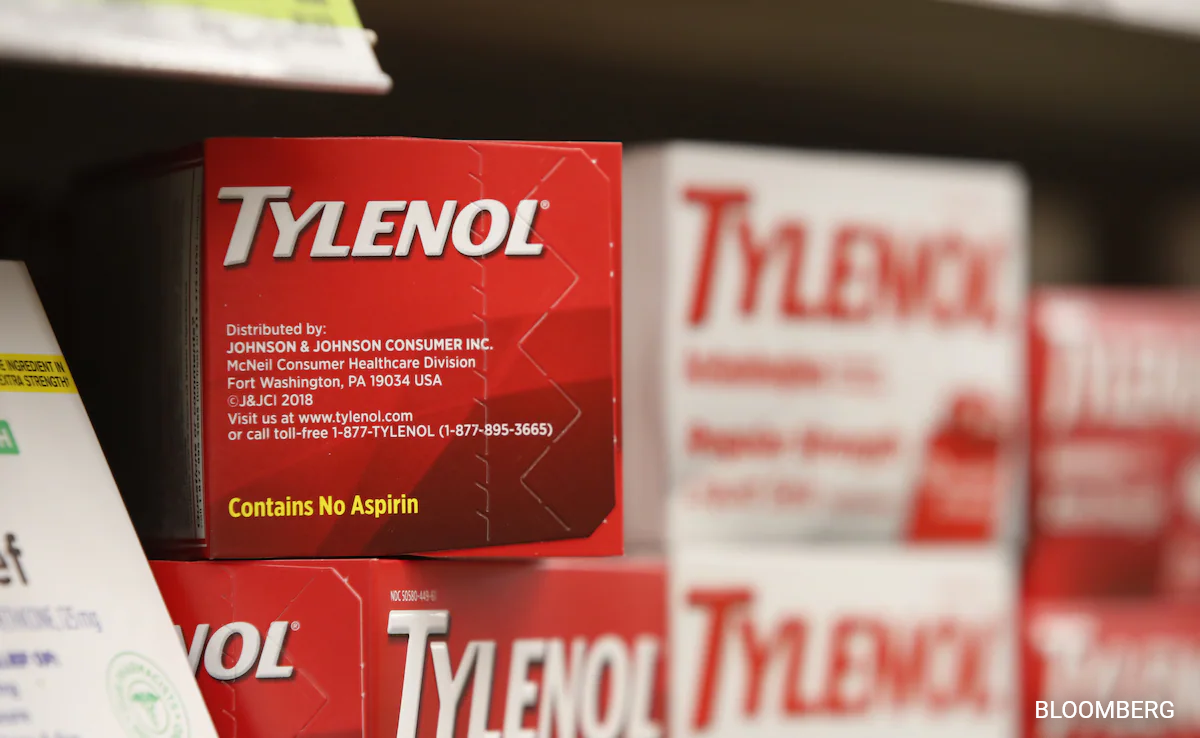
A spokesperson for Kenvue had no immediate response when contacted on Sunday.
According to a Washington Post report citing anonymous sources familiar with the matter, the Trump administration intends to establish a connection between acetaminophen, the active component in Tylenol, and autism on Monday.
The report indicates that officials plan to caution pregnant women against using this widely available over-the-counter pain medication unless they are experiencing fever. Earlier reports suggesting the administration was examining potential associations between acetaminophen and autism caused Kenvue Inc., the manufacturer of Tylenol, to experience a significant stock decline.
When reached on Sunday, a Kenvue representative did not provide an immediate comment. The company has previously maintained that there is no causative relationship between acetaminophen consumption during pregnancy and autism development.
President Donald Trump announced on Sunday his intention to hold what he described as "one of the most important news conferences" of his career on Monday regarding autism.
"We believe we've discovered a solution to autism," Trump stated during a memorial event honoring conservative activist Charlie Kirk. "There's clearly something seriously wrong, and we think we've identified what that is."
The Washington Post also reported that the administration will advocate for leucovorin, another medication, as a potential autism treatment. Leucovorin is a prescription drug typically utilized in cancer therapy to mitigate harmful effects of other medications.
In late 2023, a judge dismissed scientific evidence supporting lawsuits that claimed prenatal exposure to over-the-counter Tylenol caused autism. United States District Judge Denise Cote in Manhattan determined that plaintiffs in more than 400 cases against manufacturers and retailers of acetaminophen relied on deficient scientific evidence when attempting to demonstrate increased developmental risks in infants.
A subsequent research study published in 2024, which analyzed medical records of nearly 2.5 million siblings born in Sweden between 1995 and 2019, found no elevated risk of autism when mothers took acetaminophen during pregnancy.