
Understanding Rare Earth Elements: Critical Materials Powering Modern Technology and Defense Systems
- Date & Time:
- |
- Views: 62
- |
- From: India News Bull
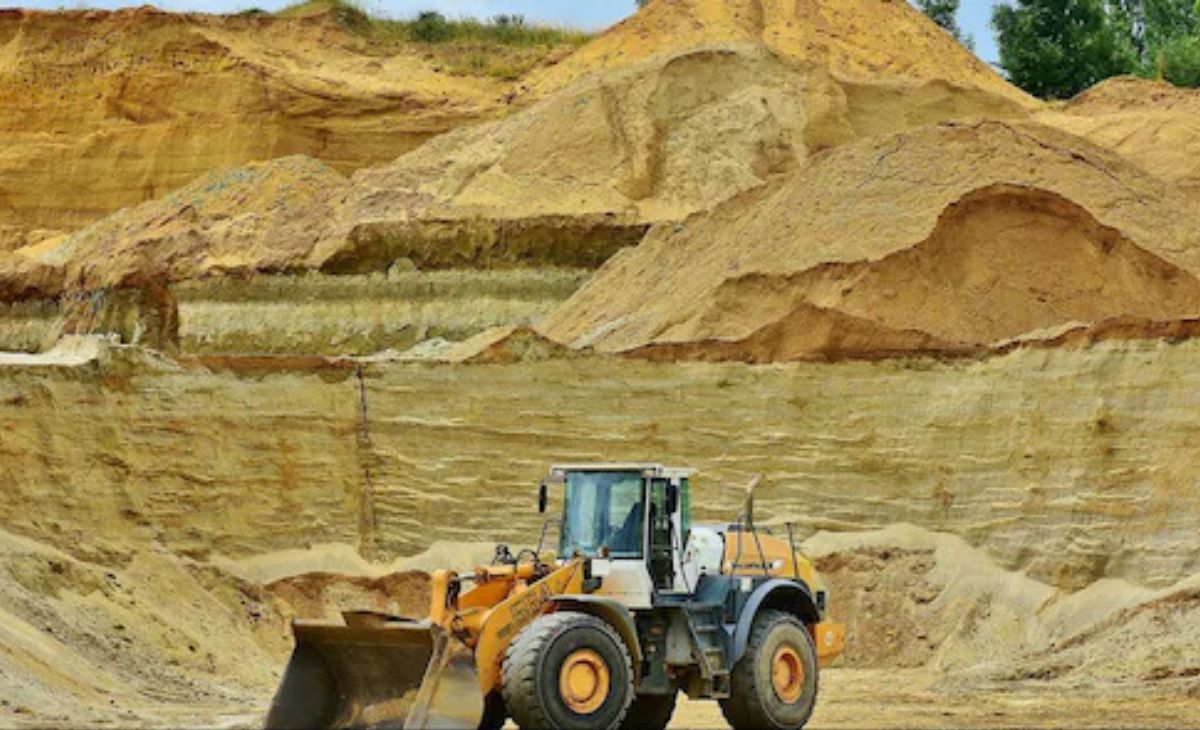
Aviation represents a significant consumer of rare earth elements, particularly in military aircraft production.
France:
Essential for manufacturing smartphones, fighter jets, and electric vehicles, "rare earth" metals have become a strategic resource since China, the primary producer, introduced export restrictions this year.
As the European Union unveils a strategy on Wednesday aimed at enhancing European production of critical raw materials to decrease dependence on China, here's important information about these 17 elements and their primary applications:
Neodymium, praseodymium, dysprosium, terbium
Global production of rare earth raw materials increased from 220,000 tonnes in 2019 to 390,000 tonnes in 2024 - representing a 77 percent growth over five years, according to benchmark commodity analysis by French research organization Cercle CyclOpe.
Four elements constitute the majority of the sector's economic value: neodymium, praseodymium, dysprosium, and terbium.
Magnets for wind turbines
These four "magnetic" rare earth elements are primarily utilized in magnet production, notably neodymium-iron-boron magnets - approximately 10 times more powerful than conventional alternatives.
Incorporating these rare elements maximizes magnet performance while reducing size and weight, explained Damien Ambroise, energy manager at French consultancy Bartle.
A single offshore wind turbine may contain up to one tonne of such magnetic rare earths.
Fighter jets, golf clubs
The aviation industry heavily consumes rare earths, especially in military aircraft manufacturing.
According to the US specialist publication Rare Earth Exchanges, aerospace corporation Lockheed Martin ranks as America's largest consumer of samarium, used to create magnets capable of withstanding extremely high temperatures.
Each F-35 fighter jet requires more than 400 kilograms of rare earths, as reported by the US Congressional Research Service.
Scandium is utilized in manufacturing lightweight, durable aluminum-based alloys valued in aerospace - and also in premium sports equipment including golf clubs, bicycles, and baseball bats.
Smartphones
Rare earths are components in every smartphone, enhancing display performance and enabling vibration functionality.
Each device contains approximately three grams of these elements - totaling more than 3,700 tonnes for the 1.24 billion devices sold worldwide in 2024.
Electric and fuel vehicles
Each hybrid or electric vehicle battery and motor contains between 1.2 and 3.5 kilograms of rare earths, according to estimates from France's Bureau of Geological and Mining Research.
They're also employed in miniature motor production, such as those automatically folding a vehicle's wing mirrors when parked.
Conventional combustion-engine vehicles utilize rare earths too, particularly in catalytic converters. Lanthanum and cerium help reduce fine particle emissions.
Oil, glass, lasers
In the chemical industry, cerium is widely utilized in oil refining and glass polishing - as well as in cigarette lighter flints.
Erbium finds applications across various medical fields, including dentistry, dermatology, and ophthalmology.
Erbium and neodymium also play crucial roles in manufacturing lasers for industrial engraving and cutting.
Adding different rare earth elements alters laser wavelength, thus changing its application and color, Ambroise noted. "It creates beautiful colors in sound-and-light performances."
Source: https://www.ndtv.com/world-news/magnets-fighter-jets-golf-clubs-smartphones-what-are-rare-earths-for-9740629