
AI-Generated Fraud: How Chinese Consumers Are Using Artificial Intelligence to Fake Damaged Products for Refunds
- Date & Time:
- |
- Views: 44
- |
- From: India News Bull
Representative Image
Artificial intelligence-generated fake photos are becoming a tool for defrauding Chinese online retailers, particularly during the Double 11 shopping festival in November. Multiple merchants have documented instances where customers submit AI-manipulated images showing damaged products to secure refunds. These incidents have triggered significant ethical and legal questions, according to South China Morning Post.
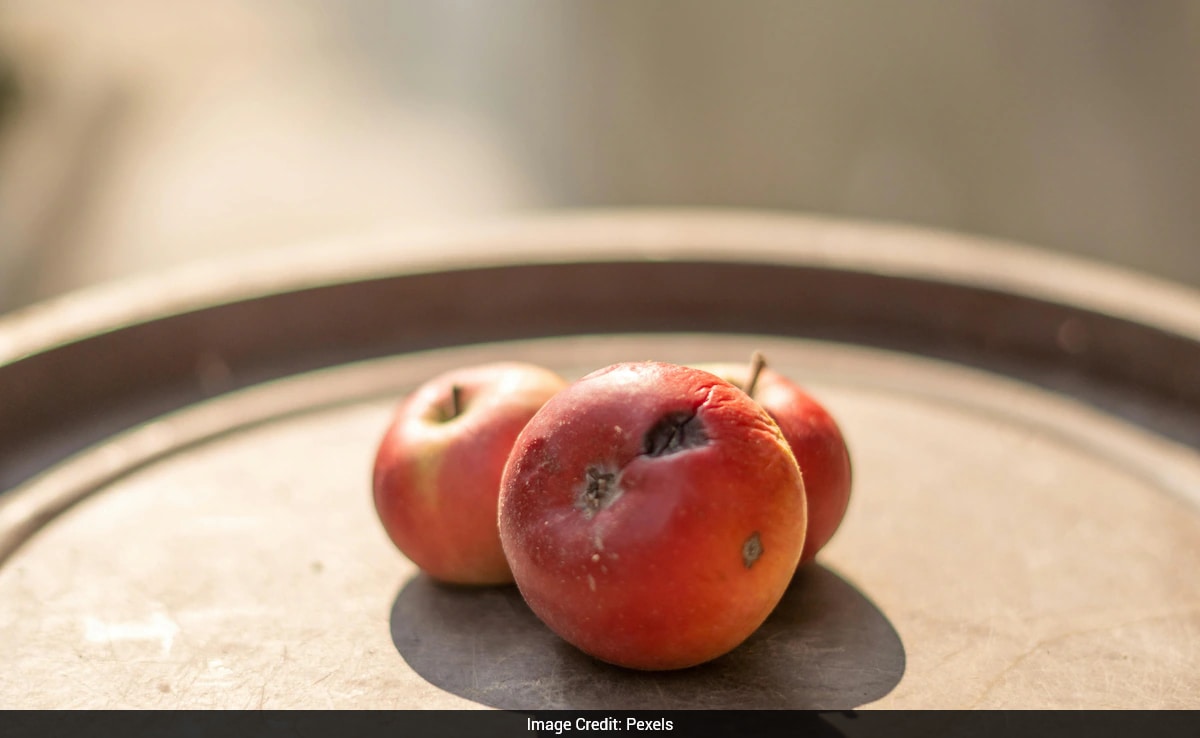
Some customers capture authentic images of purchased fruit and then utilize AI technology to manipulate the appearance, making the produce look spoiled or decayed.
One electric toothbrush vendor reported that a customer submitted an image of a corroded toothbrush and insisted on a refund. The vendor noted that many such complaints contained logical inconsistencies.
At a clothing retailer, staff identified a situation where a customer claimed severe fraying on a one-piece dress collar, providing an AI-created image as evidence. The store detected unusual lighting effects on the collar and obvious signs of digital manipulation around the dress edges.
In another incident, a ceramic mug seller encountered a buyer demanding full reimbursement after presenting images of a mug with web-like fractures. The seller found this suspicious considering their robust packaging practices. When asked to provide video evidence, the customer promptly withdrew the complaint.
The merchant later analyzed the photo using AI detection software, which indicated a 92% likelihood that the image was artificially generated.
Chinese online merchants have been struggling with "sheep shearers" - opportunistic buyers who identify minor defects in inexpensive merchandise and demand full refunds without returning products. Sellers report that e-commerce platforms typically favor consumers and occasionally approve unjustified refunds.
Notably, some merchants also employ AI to enhance product appearances. One seller disclosed to Jiemian News that numerous shops use AI technology to create fictitious models, backgrounds, and even product representations.
To address the rising incidence of AI-related fraud, e-commerce platforms eliminated the "refund only" option in April.
Alibaba Group's Taobao and T-mall have implemented a buyer credit rating system based on purchase history, refund patterns, and seller feedback.
Additionally, China introduced new regulations on AI-generated content identification effective September 1, mandating that all AI-created content must be clearly marked both explicitly and implicitly.
Source: https://www.ndtv.com/world-news/chinese-consumers-use-ai-to-fake-damaged-goods-and-claim-refunds-9721424