
After PM Modi's GST Utsav Call, M Kharge's "Band-Aid On Deep Wounds" Jab
- Date & Time:
- |
- Views: 61
- |
- From: India News Bull
Prime Minister Narendra Modi today characterized the reduction in Goods and Services Tax (GST) rates as the beginning of a "GST Utsav," presenting these reforms as a "double bonanza" for households already benefiting from recent income tax exemptions.
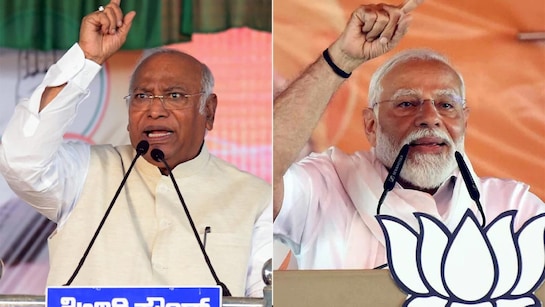
The Prime Minister's remarks were quickly met with strong political opposition. Leaders across parties, particularly from Congress and Trinamool Congress, accused Modi of claiming credit for decisions reached by consensus in the GST Council. Congress president Mallikarjun Kharge went further, suggesting that PM Modi was attempting to conceal what he described as eight years of "economic wounds."
In his 19-minute televised address, PM Modi referred to the new tax regime, effective from September 22, as "next generation GST reforms" that would represent a significant step toward "aatmanirbhar Bharat" (self-reliant India).
Mr. Kharge responded on X (formerly Twitter) in Hindi, reviving his party's persistent criticism of the tax system: "Instead of the simple and efficient GST of the Congress party, your government imposed the 'Gabbar Singh Tax' with 9 different slabs and collected over Rs 55 lakh crore in eight years. Now you are talking about a Rs 2.5 lakh crore 'savings festival' and applying a simple band-aid after inflicting deep wounds on the public!"
He added: "The public will never forget that you collected GST on their pulses, rice, grains, pencils, books, medical treatment, farmers' tractors-everything. Your government should apologise to the public!"
West Bengal Chief Minister Mamata Banerjee contested the framing of these reforms as PM Modi's initiative, stating: "We are losing Rs 20,000 crore as revenue, but we are happy about the lowering of GST. But why are you (Modi) claiming credit for it? We had sought a lowered GST. It was our suggestion at the GST Council meeting with the Union Finance Minister."
Maharashtra Congress intensified the criticism through state party president Harshwardhan Sapkal, who accused the Prime Minister of "trying to take credit for the reduction in GST rates." He noted that "It was the PM himself who in 2017 introduced exorbitantly high GST rates that burdened industries, traders and ordinary citizens. The GST collection has doubled to Rs 22 lakh crore in these years, hitting consumers and small businesses the hardest. If Modi takes credit for rate cuts today, he must also accept responsibility for the loot inflicted for eight years."
Mr. Sapkal added that Rahul Gandhi had "termed GST 'Gabbar Singh Tax' and consistently demanded relief to stop the loot through high tax rates."
Finance Minister Nirmala Sitharaman defended the Prime Minister on social media: "Marking the commencement of the #NextGenGST as #GSTBachatUtsav PM @narendramodi ji's address to the nation had several messages. Unfortunate, that despite a positive and direction-setting address, our opposition party @INCIndia and its SM eco-system spread negativity and baseless criticism. #NextGenGST is a people-centric reform."
Ms. Sitharaman then enumerated nine key points from PM Modi's address, highlighting that the GST reforms benefit various segments of society, promote self-reliance, support local manufacturing, emphasize cooperative federalism, and encourage states to become equal partners in growth.