
Mumbai's Severe Air Quality Crisis: BMC Considers GRAP-4 Measures as Smog Blankets City
- Date & Time:
- |
- Views: 51
- |
- From: India News Bull
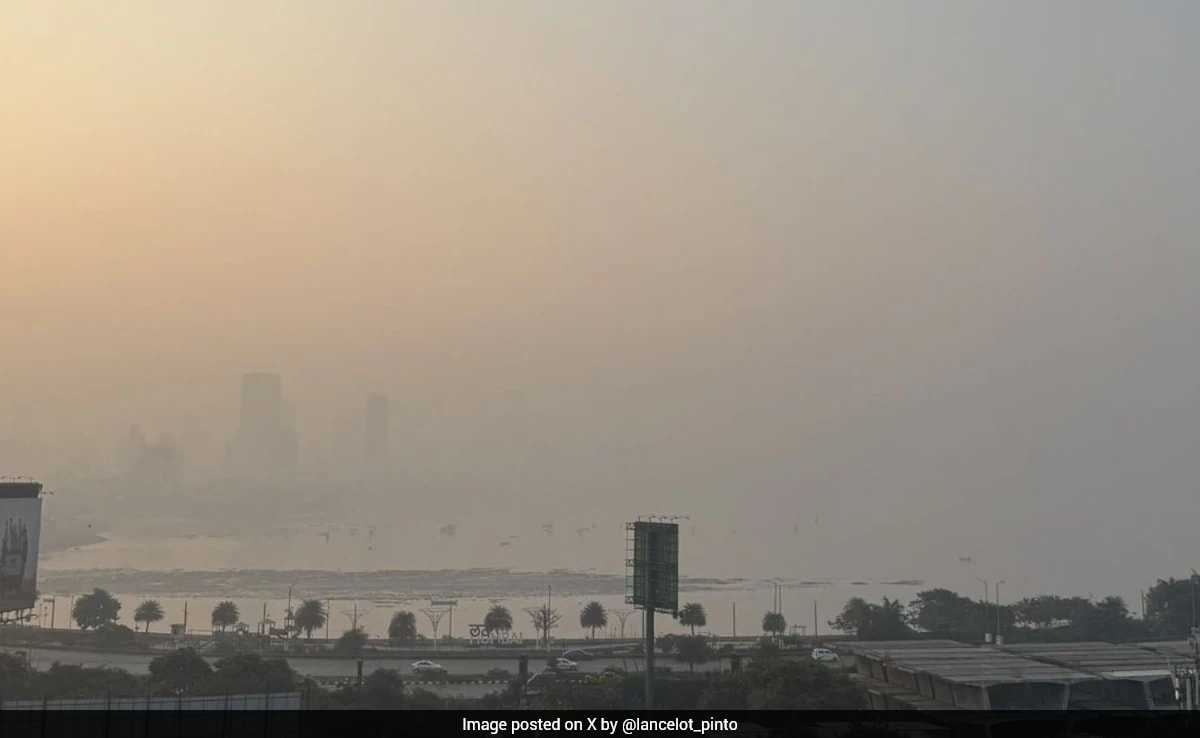
Mumbai experienced severe air pollution on Tuesday with a dense layer of smog covering the city as air quality measurements reached poor and severe categories. This situation has prompted the Brihanmumbai Municipal Corporation (BMC) to enhance emergency protocols and consider implementing the most stringent controls under the Graded Response Action Plan (GRAP).
Throughout the day, visibility was significantly reduced across major roadways and the waterfront, with many citizens reporting eye irritation and respiratory discomfort. Real-time monitoring data revealed city-wide Air Quality Index (AQI) readings fluctuating between unhealthy and severe levels, with multiple monitoring stations recording values exceeding 300, primarily due to elevated PM2.5 and PM10 concentrations.
According to officials, the most affected areas included Mazagaon, Deonar, Chakala in Andheri East, and sections of central and eastern suburbs. Mazagaon consistently recorded AQI values above 300 multiple times this month, while numerous other locations registered readings above 200, placing them in "poor" to "very poor" categories.
In response to the deteriorating air quality, the BMC has mobilized ward-level enforcement teams and established flying squads to monitor pollution-causing activities. The corporation has warned that GRAP-IV restrictions, which could halt construction and other dust-generating operations, will be implemented if high pollution levels persist.
The civic authority has activated an emergency pollution response plan and is evaluating targeted construction restrictions and additional control measures in the most severely affected areas.
Mumbai, Maharashtra witnessed a thick layer of smog with the AQI reaching 239, significantly impacting visibility and air quality across the city.
A BMC representative stated, "Our initial approach will be positive intervention through misting, cleaning, and taking action against polluting establishments like bakeries and industrial units, before implementing broad restrictions. However, stricter measures including construction bans remain possibilities if air quality doesn't improve."
Environmental experts attribute the poor air quality to a combination of local and regional factors, including ongoing construction activities, road dust, vehicle and diesel generator emissions, industrial pollution from peripheral areas like Mahul, and unfavorable weather conditions such as cooler nights and light winds that trap pollutants near ground level. Specialists have also highlighted increased fossil-fuel power consumption related to high electricity demand from data centers in and around Mumbai's industrial zones.
The deteriorating air quality has prompted public health warnings. Health experts note that the current PM2.5 concentrations significantly exceed World Health Organization guidelines, presenting heightened risks for vulnerable populations including children, the elderly, and individuals with pre-existing respiratory or cardiovascular conditions. Common short-term symptoms include coughing, throat irritation, and worsening asthma.
Municipal and health authorities have advised residents to minimize outdoor activities, wear masks when necessary, and keep windows closed during peak pollution periods. The use of air purifiers is recommended for households in the most severely affected neighborhoods.
November has shown a consistent decline in air quality following spikes during the festival season and a month of increased construction activity. Weather forecasters predict light winds and temperature inversions will continue for the next 48-72 hours, suggesting poor pollutant dispersion will persist unless significant emission reductions occur. Civic officials have committed to hourly monitoring of air quality measurements and will reassess the need for GRAP-IV restrictions if AQI levels remain elevated.
Source: https://www.ndtv.com/india-news/smog-engulfs-mumbai-as-air-quality-worsens-civic-body-plans-grap-4-measures-9698651