
Justice Surya Kant Takes Oath as 53rd Chief Justice of India: Career Highlights and Landmark Judgments
- Date & Time:
- |
- Views: 36
- |
- From: India News Bull
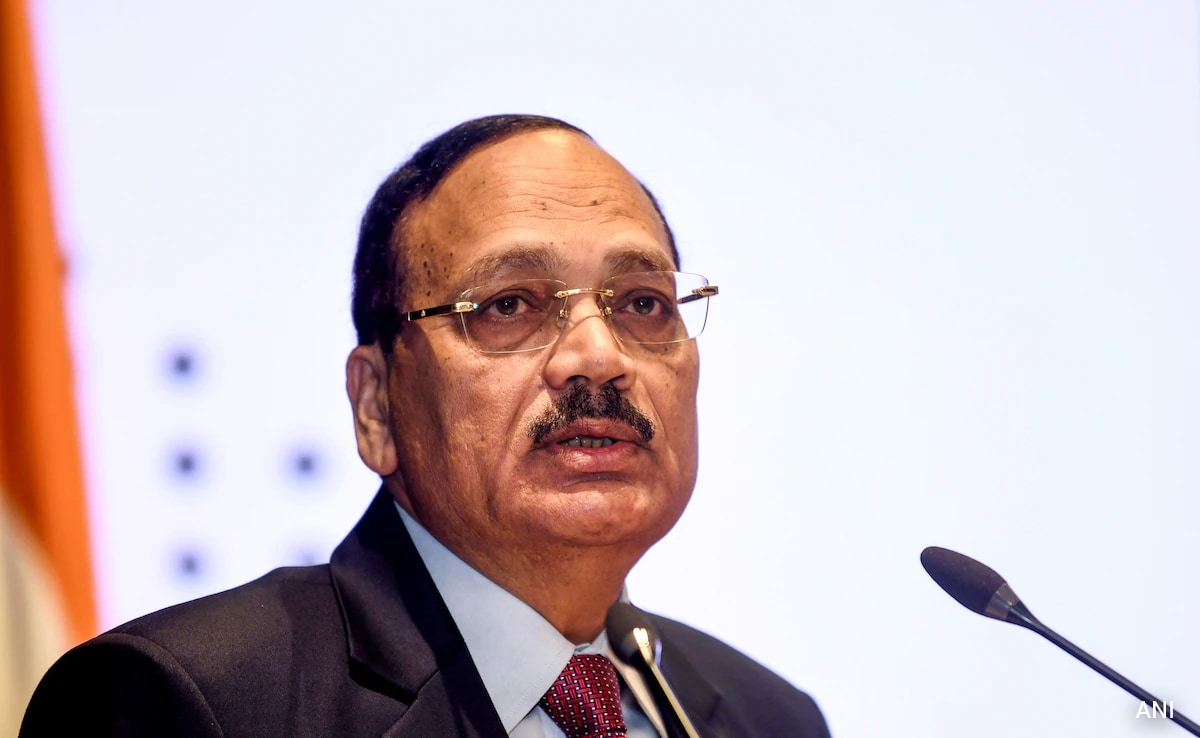
Justice Surya Kant assumed office as the 53rd Chief Justice of India on Monday, beginning a tenure that will span approximately 15 months.
Justice Kant, who has succeeded Justice BR Gavai, brings extensive judicial experience to India's highest judicial position, having been involved in numerous landmark decisions throughout his distinguished career.
Born on February 10, 1962, in Hisar, Haryana, to a middle-class family, Justice Kant will serve until February 9, 2027, when he reaches the retirement age of 65. His educational journey began at Government Post Graduate College in Hisar, where he graduated in 1981, followed by earning his law degree from Maharishi Dayanand University, Rohtak, in 1984.
Justice Kant's legal career commenced at the district court in Hisar in 1984, before he relocated to Chandigarh in 1985 to practice at the Punjab and Haryana High Court. In 2000, he achieved the distinction of becoming the youngest Advocate General of Haryana. His academic excellence was further demonstrated when he secured the 'first class first' position in his master's degree in law from Kurukshetra University in 2011.
His judicial appointments progressed with his elevation to Chief Justice of the Himachal Pradesh High Court in 2018, followed by his appointment as a Supreme Court judge in 2019.
During his tenure at the Supreme Court, Justice Kant has been instrumental in several significant judgments. He participated in a recent presidential reference concerning the powers of governors and presidents regarding bills passed by state assemblies. He also served on the bench that suspended the colonial-era sedition law, directing authorities to refrain from registering new cases under it pending government review.
Justice Kant has demonstrated his commitment to electoral integrity by compelling the Election Commission to disclose details of 65 lakh voters excluded from Bihar's draft electoral rolls, while hearing petitions challenging the Special Intensive Revision of voter lists preceding the state's assembly elections.
His advocacy for gender equality is evident in his leadership of a bench that reinstated a wrongfully removed woman sarpanch (village head), explicitly addressing gender bias in the matter. Additionally, he directed that one-third of positions in bar associations, including the Supreme Court Bar Association, be reserved for women.
Justice Kant's judicial oversight extended to matters of national security when he participated in appointing a five-member committee headed by former Supreme Court judge Justice Indu Malhotra to investigate the security breach during Prime Minister Narendra Modi's 2022 Punjab visit, emphasizing that such matters required "a judicially trained mind."
He has upheld the One Rank-One Pension scheme for defense forces, affirming its constitutional validity, and continues to hear petitions from women officers in the armed forces seeking equality in permanent commission opportunities.
As part of a seven-judge bench, Justice Kant contributed to overruling the 1967 Aligarh Muslim University judgment, creating a pathway for reconsidering the institution's minority status.
His involvement in the Pegasus spyware case led to the appointment of a cyber expert panel to investigate allegations of unlawful surveillance, with the clear assertion that the state cannot receive a "free pass under the guise of national security."
Source: https://www.ndtv.com/india-news/justice-surya-kant-sworn-in-as-new-chief-justice-of-india-5-facts-of-br-gavai-successor-9688912