
Chief Justice BR Gavai: Supreme Court Has Addressed Creamy Layer Issue in Reservation System, Now Government Must Act
- Date & Time:
- |
- Views: 72
- |
- From: India News Bull
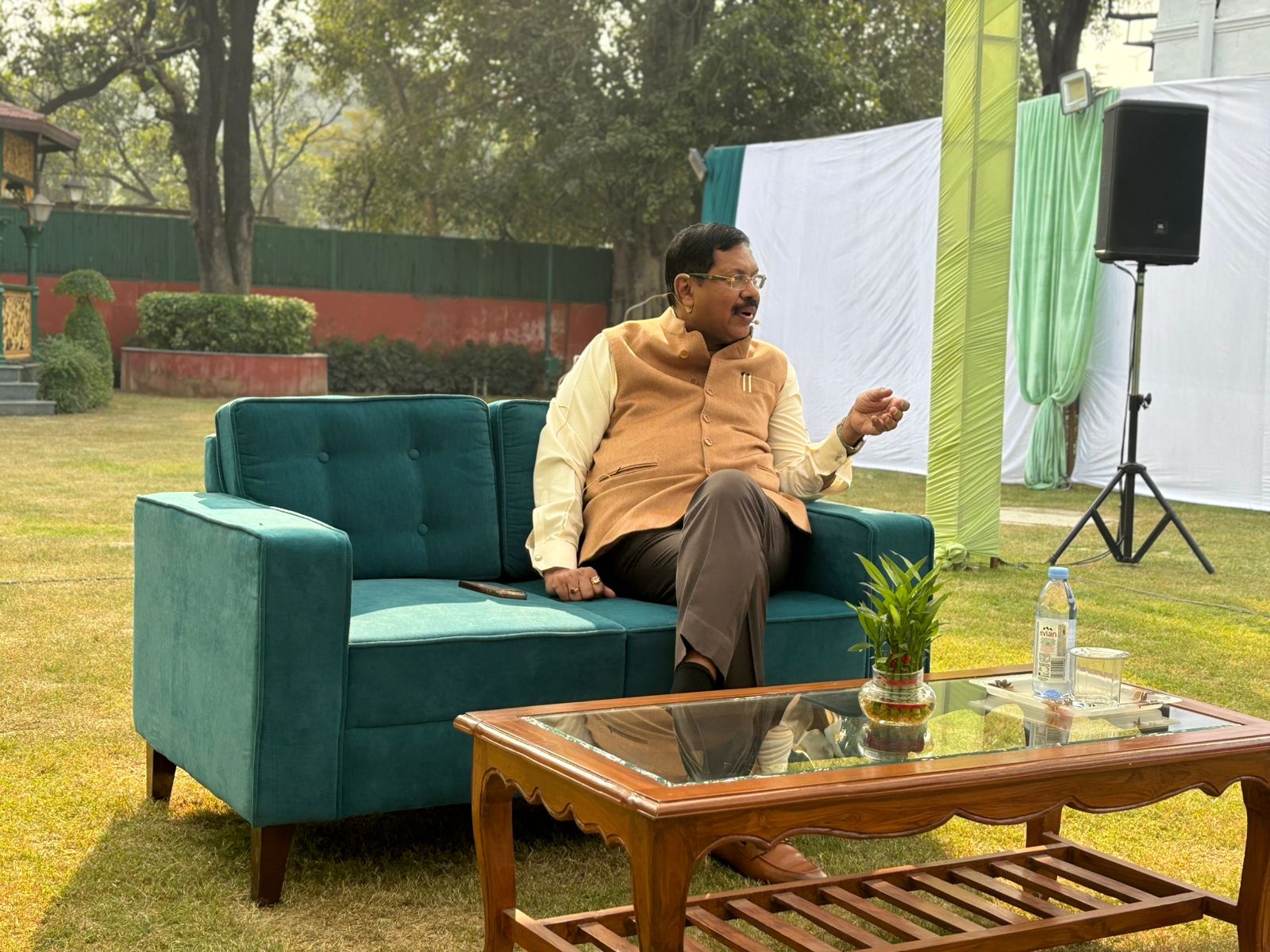
Chief Justice BR Gavai addressed the media on his final working day as India's top judicial officer
New Delhi:
Chief Justice of India BR Gavai stated today that the Supreme Court has fulfilled its responsibility regarding the creamy layer issue in caste-based reservation, and now it is the government and Parliament's responsibility to take further action. Speaking to journalists on the eve of his retirement, the Chief Justice shared his perspectives on the judiciary and critical matters currently before the Supreme Court.
The Creamy Layer Discussion
In a significant judgment last year, the Supreme Court permitted sub-classification within Scheduled Castes and Scheduled Tribes to ensure reservation benefits reach the most marginalized sections. Chief Justice Gavai, then serving as Justice Gavai, was a member of that landmark ruling bench.
Reflecting on this issue before his retirement, the Chief Justice emphasized that the judiciary has "done its part" and the implementation of sub-classification in reservation systems now rests with the government and Parliament. This implementation is crucial to prevent "a class within a class" from forming. Notably, Chief Justice Gavai is only the second Dalit to have held India's highest judicial position.
"Equality must reach all people. We have observed many Scheduled Caste families have prospered significantly, yet they continue to utilize reservation benefits," he remarked, noting how children of IAS officers from SC/ST backgrounds often seek quota advantages.
In his judgment from last year, Justice Gavai wrote, "State must evolve a policy to identify creamy layer among the SC/ST category and take them out of the fold of affirmative action. This is the only way to gain true equality."
Addressing Nepotism Concerns in Judicial Appointments
As a first-generation jurist, Chief Justice Gavai responded to accusations of nepotism and favoritism in judicial appointments through the Collegium system. This system has been controversial, with critics claiming lack of transparency, while supporters argue it protects judicial independence from executive interference.
The Chief Justice clarified that cases involving judges' relatives constitute less than 10 percent of total appointments. He also emphasized that a candidate's merit should not be disregarded merely because of familial connections to a judge.
Protecting Judicial Independence
Speaking about preserving judicial independence, Chief Justice Gavai cautioned against the perspective that judges must rule against the government to demonstrate independence.
He also addressed criticism regarding high court transfers, explaining that such decisions were based on administrative considerations.
Post-Retirement Plans
Chief Justice Gavai mentioned his intention to take some time for relaxation after retirement, with plans to eventually engage in social work. "Social work is in my blood and I would devote my time to tribals," he said, while firmly stating, "But I am clear I will not accept any post-retirement position." Justice Surya Kant will succeed him as Chief Justice.
The Chief Justice also commented on a recent incident where a lawyer threw a shoe at him during proceedings. When questioned why no action was taken against the lawyer, he responded, "Forgiveness came naturally to me. It was an instant decision not to take any action against the person."
Regarding the ongoing Delhi pollution case before the Supreme Court, he noted that the judiciary has been working diligently on the issue, and authorities have shifted focus toward long-term solutions rather than temporary measures.
Source: https://www.ndtv.com/india-news/chief-justice-br-gavai-reservation-we-did-our-part-chief-justice-puts-creamy-layer-ball-in-centres-court-9686198