
Wealth and Crime in Bihar Politics: 90% Crorepati MLAs While Criminal Cases Decline in 18th Assembly
- Date & Time:
- |
- Views: 44
- |
- From: India News Bull
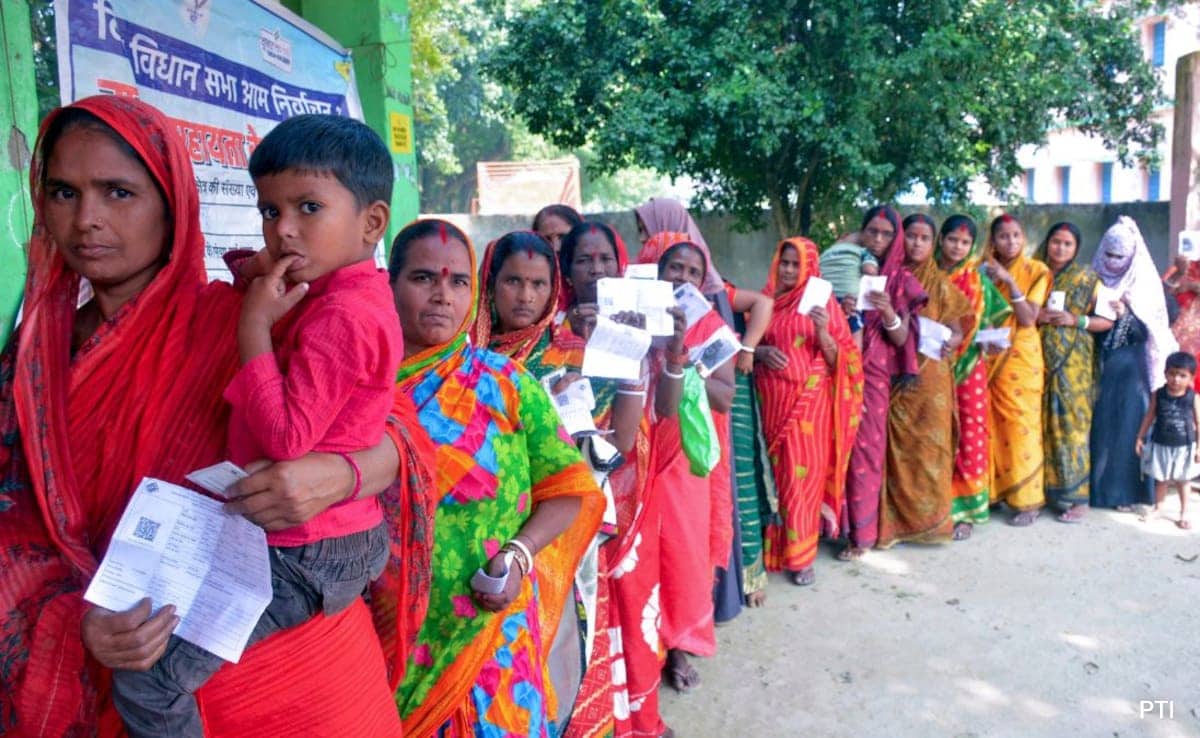
The National Democratic Alliance (NDA) has secured a decisive victory in Bihar's assembly elections.
The newly formed 18th Bihar assembly will consist of 243 members, comprising 214 men and 29 women. This represents a modest improvement in gender representation compared to the 2020 assembly, which had 26 women legislators. Despite this incremental change, women constitute merely 12 percent of the house, indicating persistent challenges in achieving gender balance in state politics.
Criminal cases among legislators show a declining trend. While 68 percent of MLAs declared criminal cases in 2020, this figure has decreased to 53 percent in 2025. Similarly, serious criminal charges have reduced from 51 percent to 42 percent. Though this reduction signals progress, it remains concerning that over half the assembly members face criminal allegations.
Analysis of party-specific data reveals varied patterns. The Bharatiya Janata Party (BJP) has witnessed a slight increase in MLAs with criminal backgrounds, whereas both the Rashtriya Janata Dal (RJD) and Congress have shown decreases. This pattern aligns with a broader electoral trend across India, where voters often prioritize winnability and local influence over clean records. Despite ongoing advocacy for electoral reforms, candidates with criminal histories continue to maintain significant representation, particularly in regions where caste and community networks strongly influence voting behaviors.
While criminal cases have decreased, the assembly's collective wealth has increased substantially. An unprecedented 90 percent of MLAs are now crorepatis (possessing assets worth over Rs 1 crore), up from 81 percent in 2020. This marks the highest proportion recorded thus far, with nine out of ten lawmakers qualifying as crorepatis.
The wealth distribution pattern has also evolved. MLAs with assets exceeding Rs 5 crore have marginally decreased from 45 percent to 42 percent. However, the mid-range bracket—those with assets between Rs 50 lakh and Rs 2 crore—has dropped more significantly from 30 percent to 15 percent. This suggests continued dominance of extremely wealthy candidates alongside a growing number of moderately affluent politicians.
The economic disparity between Bihar's legislators and ordinary citizens has expanded dramatically over recent election cycles. The average asset value of MLAs has surged from Rs 82 lakh in 2010 to Rs 9.02 crore in 2025—a tenfold increase. In contrast, the state's per capita income merely tripled from Rs 19,111 in FY11 to Rs 62,337 in FY24. Consequently, the typical MLA is approximately 1,500 times wealthier than the average Bihar citizen, highlighting a profound economic divide between elected representatives and their constituents.
Leading the wealth rankings is BJP's Kumar Pranay from Munger, who has declared assets worth Rs 171 crore. Following closely are JD(U) leaders Anant Kumar Singh with Rs 101 crore and Dr. Kumar Puspanjay with Rs 94.5 crore in assets.
At the opposite end of the spectrum, BJP's Murari Pasavan from Pirpainti is the assembly's least wealthy member, with declared assets of Rs 6.6 lakh. Slightly above him are two other BJP representatives: Mahesh Paswan from Agiaon with Rs 8.5 lakh and Sujeet Kumar from Rajnagar possessing assets worth Rs 11 lakh.
This assembly clearly demonstrates two significant trends: increasing financial influence in politics and the persistent, though diminishing, presence of legislators with criminal backgrounds. Gender representation remains nearly static, while the predominance of affluent candidates underscores how wealth and power continue to shape electoral outcomes in Bihar.
Source: https://www.ndtv.com/india-news/bihars-new-assembly-over-half-face-criminal-charges-90-are-crorepatis-9652658