
The Decisive Role of Women Voters in Bihar's NDA Victory: Beyond the Rs 10,000 Scheme
- Date & Time:
- |
- Views: 56
- |
- From: India News Bull
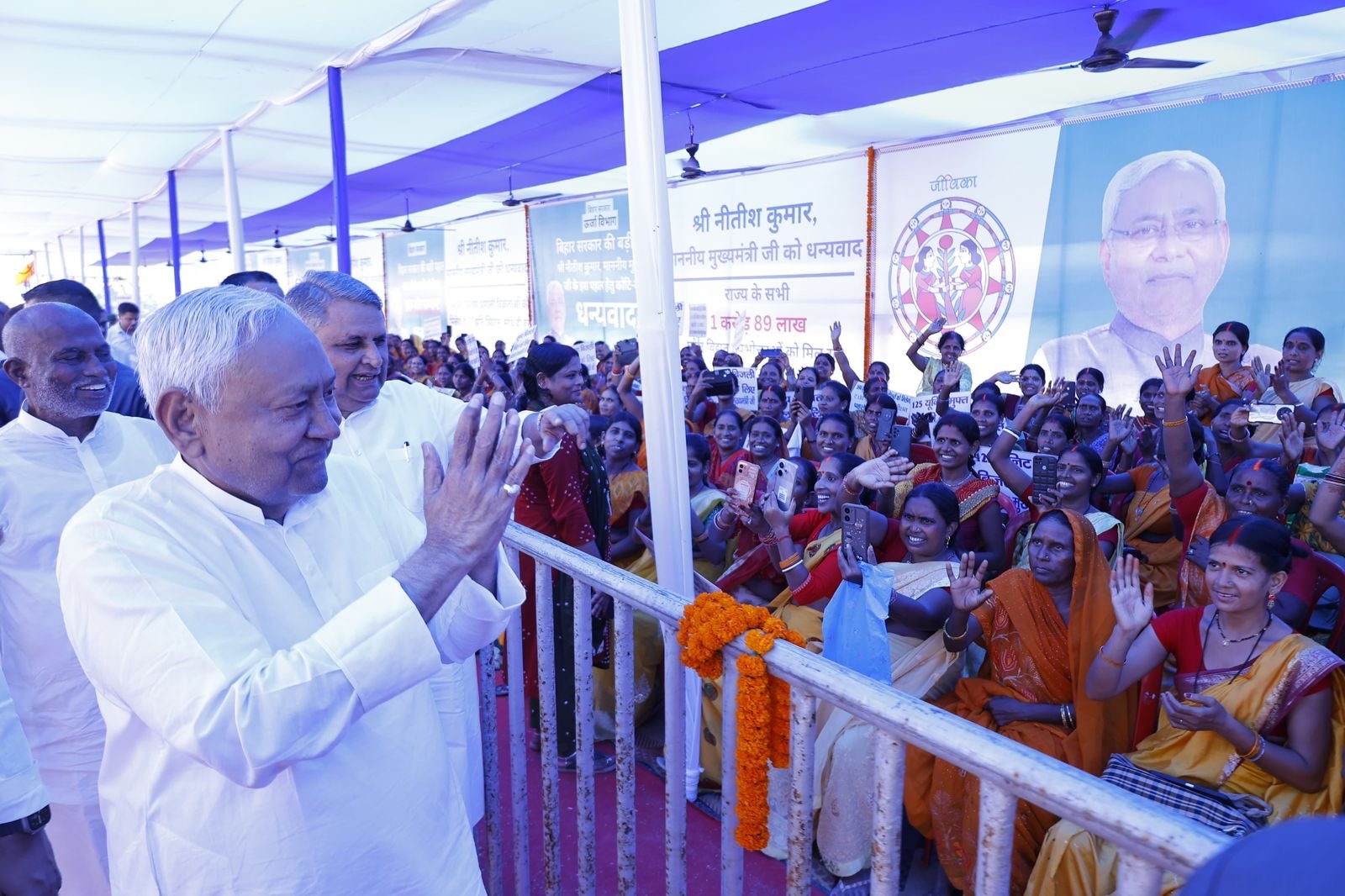
Women constitute a crucial component of JDU chief Nitish Kumar's support foundation
New Delhi:
As the NDA celebrates a remarkable victory in the Bihar election and the opposition's Mahagathbandhan faces a devastating defeat, many wonder how what was widely anticipated to be a competitive race transformed into a decisive win for the incumbent coalition. The initial indicator appeared in women voter turnout – a demographic that transcends caste divisions in Bihar's complex political landscape.
This election marks the first time in Bihar's history where female voter participation exceeded that of males. Men registered a 62.8 percent turnout, while women achieved an impressive 71.6 percent. Even in absolute numbers, more women cast ballots than men across the state.
Historically, women in Bihar have formed a significant support base for incumbent Chief Minister and JDU leader Nitish Kumar. Prime Minister Narendra Modi has similarly cultivated a loyal female voting bloc over the past decade. The Nitish-Modi partnership, combined with an effective campaign strategy and targeted welfare initiatives, seems to have successfully mobilized women voters while securing their electoral support.
The Rs 10,000 Initiative
Prior to the election, the Nitish Kumar administration announced financial assistance of Rs 10,000 for women interested in launching their own businesses. "Over 1.21 crore women have received Rs 10,000 each to initiate their businesses, and dates have been scheduled to provide the amount to remaining eligible women... those who demonstrate successful business management will receive Rs. 2 lakh to expand their operations," Kumar stated.
The Mahagathbandhan attempted to counter with their own promises, but a fundamental difference existed between them – implementation versus intention. The NDA government transferred funds directly into women's bank accounts, fulfilling their commitment, while the opposition's offerings remained merely promises.
Senior Congress leader Ashok Gehlot identified this as a significant factor, criticizing the Election Commission for permitting these financial transfers despite the model code of conduct being in effect.
Long-term Support Base for Nitish Kumar
It's important to recognize that this overwhelming support for Nitish Kumar extends beyond a single cash transfer program. The JDU chief's two-decade governance, following the perceived mismanagement during RJD's era, has featured numerous initiatives targeting women's empowerment. Many women currently receiving the Rs 10,000 assistance were once recipients of bicycles during Nitish Kumar's initial term – a program that enhanced female student enrollment in schools and was regarded as transformative.
Nitish Kumar's administration introduced several women-focused schemes including Jeevika. The JDU leader also implemented 50 percent reservation for women in both rural and urban local governing bodies.
Prohibition as Electoral Strategy
In 2016, after ten years in power, Nitish Kumar instituted prohibition across Bihar. This policy, despite its substantial impact on state revenue, further solidified his support among women voters. A significant portion of underprivileged women who suffered from domestic violence related to their husbands' alcohol dependency enthusiastically welcomed this measure. This support manifested in Nitish Kumar's electoral performances in subsequent years.
Women's support proved particularly valuable because it transcended caste boundaries, providing the JDU chief with a dedicated base in an otherwise fragmented electoral environment.
Notably, Jan Suraaj Party leader Prashant Kishor had promised to revoke prohibition if elected, while Tejashwi Yadav suggested that a Mahagathbandhan government might reconsider the anti-liquor policy. Both suffered decisive defeats in this election.
The "Jungle Raj" Narrative
The RJD's previous governance period witnessed deterioration in Bihar's law enforcement effectiveness, severely impacting women's security and restricting their mobility. Poor administration also contributed to high dropout rates among female students – a trend reversed only after Nitish Kumar assumed leadership.
NDA leaders consistently invoked the 'Jungle Raj' narrative to target the RJD and its allies throughout this campaign. Prime Minister Narendra Modi emphasized that "the greatest victims of jungle raaj" were women and children. "During RJD's government, even the chief minister's office operated as a mafia headquarters. Even government functionaries weren't safe, nor were agricultural workers, women, children, and schoolgirls. RJD prevented rape cases from being registered. For Dalit, Mahadalit, and extremely backward communities, all avenues for justice were blocked," he declared at a campaign rally.
Source: https://www.ndtv.com/india-news/bihar-election-live-bihar-results-live-why-rs-10-000-is-not-sole-factor-behind-womens-bumper-support-for-nda-9636050