
'Jaish' No More. Hit By Sanctions, Banned Terror Group Changes Name
- Date & Time:
- |
- Views: 42
- |
- From: India News Bull
New Delhi:
Intelligence sources have revealed to NDTV that the banned terrorist organization Jaish-e-Mohammed will now operate under the name Al-Murabitun, which translates to 'defenders of Islam' in Arabic, within Pakistani territory. This rebranding will be officially used during next week's 'memorial' service for Yusuf Azhar, brother of the group's founder Masood Azhar.
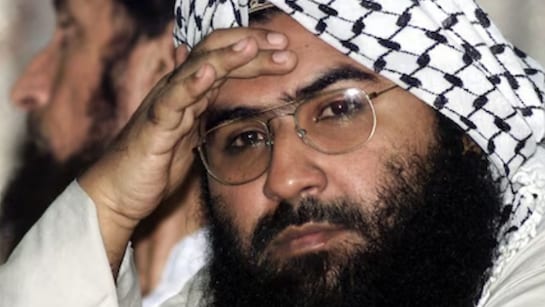
According to these sources, the terrorist group - responsible for multiple deadly attacks including the 2001 Indian Parliament assault, the 26/11 Mumbai attacks, and strikes against the Army in Uri and Pulwama in Jammu and Kashmir - is attempting to distance itself from the 'Jaish-e-Mohammed' identity because international sanctions have severely restricted their funding channels. However, sources indicate this name change is expected to apply only to their operations within Pakistan.
A recent report from the Financial Action Task Force (FATF), a global watchdog monitoring terror financing, highlighted the funding challenges confronting the group. The FATF report states that Jaish has adapted by utilizing digital payment systems, including e-wallets and UPI transfers, to channel funds for its rebuilding efforts.
The FATF has identified five such e-wallets with direct connections to the terrorist organization and family members of Masood Azhar. Intelligence suggests the group aims to raise approximately four billion Pakistani rupees to establish more than 300 'markaz', or training hubs.
By routing funds through digital wallets, Pakistan can claim compliance with FATF regulations by showing it has blocked formal funding channels like bank transfers, while the terrorist group continues receiving financial support.
This week, NDTV gained access to a confidential dossier detailing Jaish's reconstruction efforts following India's Operation Sindoor, which destroyed their base in Pakistan's Bahawalpur. On May 7, India launched missile strikes against nine terrorist camps, including Bahawalpur, in retaliation for the Pahalgam terror attack.
The intelligence dossier indicates that Jaish-e-Mohammed and other targeted terrorist groups, including Hafiz Saeed's Hizbul Mujahideen, have begun relocating to more remote areas deeper within Pakistan, establishing bases in Khyber Pakhtunkhwa province along the Afghanistan border.
As part of their rebuilding strategy, the group has also intensified recruitment efforts. One such recruitment drive took place on September 14 in Garhi Habibullah, a town in Mansehra district. Led by Jaish commander Masood Ilyas Kashmiri, whose speech notably exposed Pakistan's connections with terror organizations operating within its borders, the recruitment event was conducted just seven hours before the India-Pakistan cricket match in Dubai, with Pakistani Army and police reportedly providing security.