
Delhi's Air Quality Crisis: Understanding GRAP-3 Restrictions and Their Impact on Daily Life
- Date & Time:
- |
- Views: 51
- |
- From: India News Bull
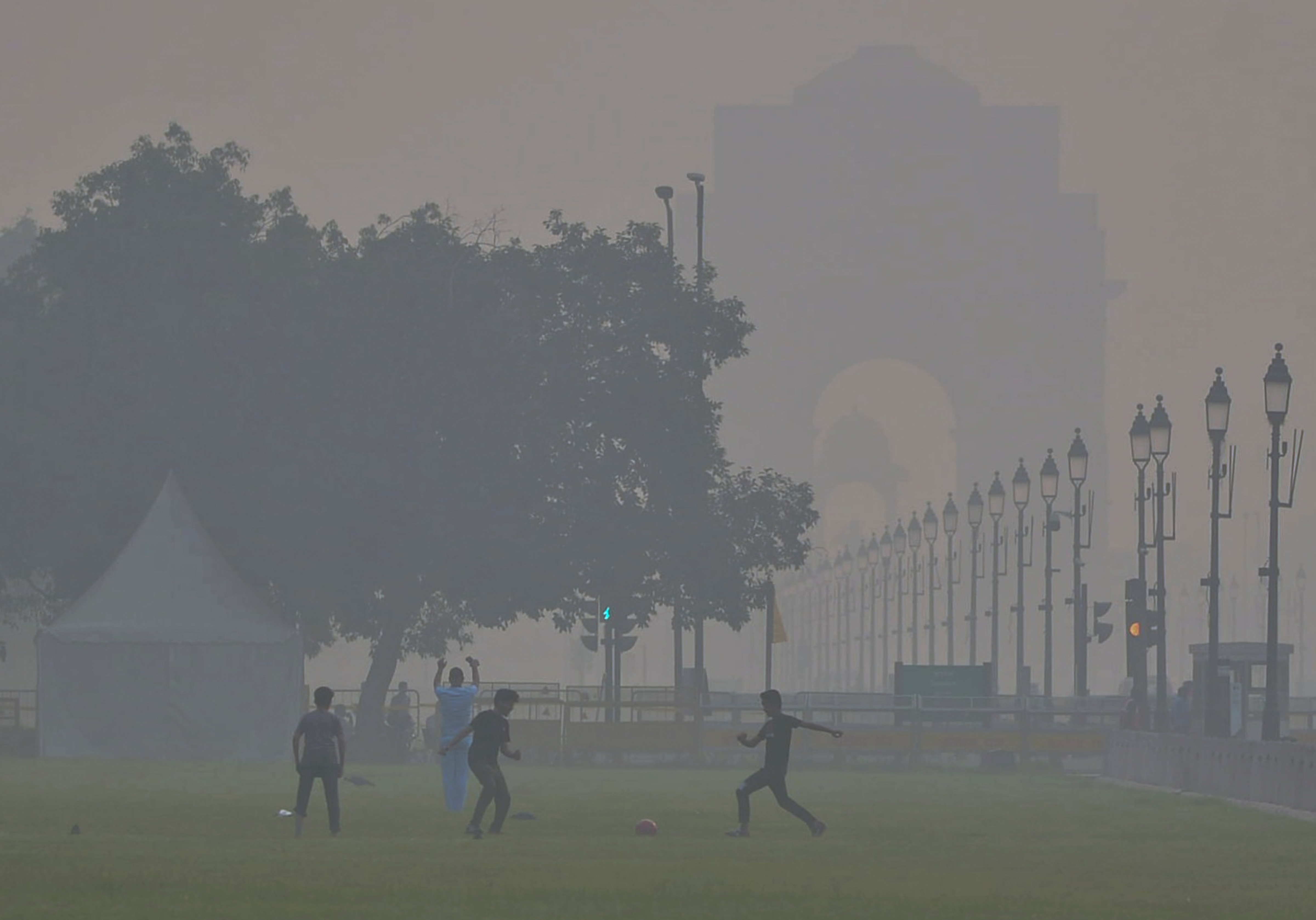
Delhi residents awakened to another day enveloped in dense smog, with the city recording an average Air Quality Index (AQI) of 347, falling within the "very poor" category. The pollution levels, which nearly reached the "severe" threshold at 392 on Sunday, have shown only slight improvement.
Several areas across the capital, including Anand Vihar and Chandni Chowk, continued to register AQI readings approaching 400. While the Commission for Air Quality Management (CAQM) has not yet activated Stage 3 restrictions under the Graded Response Action Plan (GRAP), officials indicate that additional limitations could be implemented if air quality deteriorates further.
The Graded Response Action Plan represents a structured framework designed to combat air pollution throughout the Delhi-NCR region. It employs a four-tier system of interventions based on air quality severity levels:
Stage 1: Poor (AQI 201-300)
Stage 2: Very Poor (AQI 301-400)
Stage 3: Severe (AQI 401-450)
Stage 4: Severe Plus (AQI exceeding 450)
When pollution escalates to the severe category under GRAP-3 (AQI 401-450), more stringent restrictions come into force.
These GRAP-3 measures include a comprehensive ban on non-essential construction and demolition activities, encompassing earthwork, piling, trenching, and outdoor operations of Ready-Mix Concrete plants. Additionally, BS-3 petrol and BS-4 diesel four-wheelers are prohibited from operating in Delhi and neighboring NCR districts.
Further restrictions prohibit the transportation of construction materials such as sand and cement, particularly on unpaved roads. Stone crushers, mining operations, and hot-mix plants not utilizing clean fuel must cease operations.
Diesel generator sets face prohibition, with exceptions only for emergency and essential services. Inter-state diesel buses are restricted from entering or operating within Delhi. Private companies receive advisories to implement work-from-home or hybrid arrangements to reduce vehicular emissions.
Schools up to Class 5 must close and transition to online instruction to protect young children from exposure to hazardous air quality.
Certain exemptions exist under GRAP-3 for essential public projects including railway construction, metro development, airports, defense installations, sanitation facilities, and healthcare infrastructure. These may continue under strict dust and waste management protocols.
Monday's area-specific AQI readings revealed concerning levels: Bawana (412), Jahangir Puri (394), Burari Crossing (389), Nehru Nagar (386), Chandni Chowk (365), Anand Vihar (379), and Ashok Vihar (373). Neighboring cities like Noida and Ghaziabad experienced only minimal improvement in air quality.
In the previous year, the Supreme Court directed the CAQM to implement Stage 3 restrictions when the AQI reached 350 rather than 400. The CAQM revised the GRAP regulations in December 2024, transferring several stricter measures—including daily road cleaning, water sprinkling, diesel generator limitations, and restrictions on polluting buses—to Stage 2. Consequently, Stage 3 and Stage 4 restrictions now take effect only when the AQI surpasses 400 and 450, respectively.
Source: https://www.ndtv.com/delhi-news/delhi-ncr-air-quality-air-quality-index-work-from-home-vehicle-ban-construction-halt-inside-grap-3-curbs-9606996