
Bihar Election Phase 2: 121 Seats, Seemanchal Battle, and Caste Dynamics Explained
- Date & Time:
- |
- Views: 47
- |
- From: India News Bull
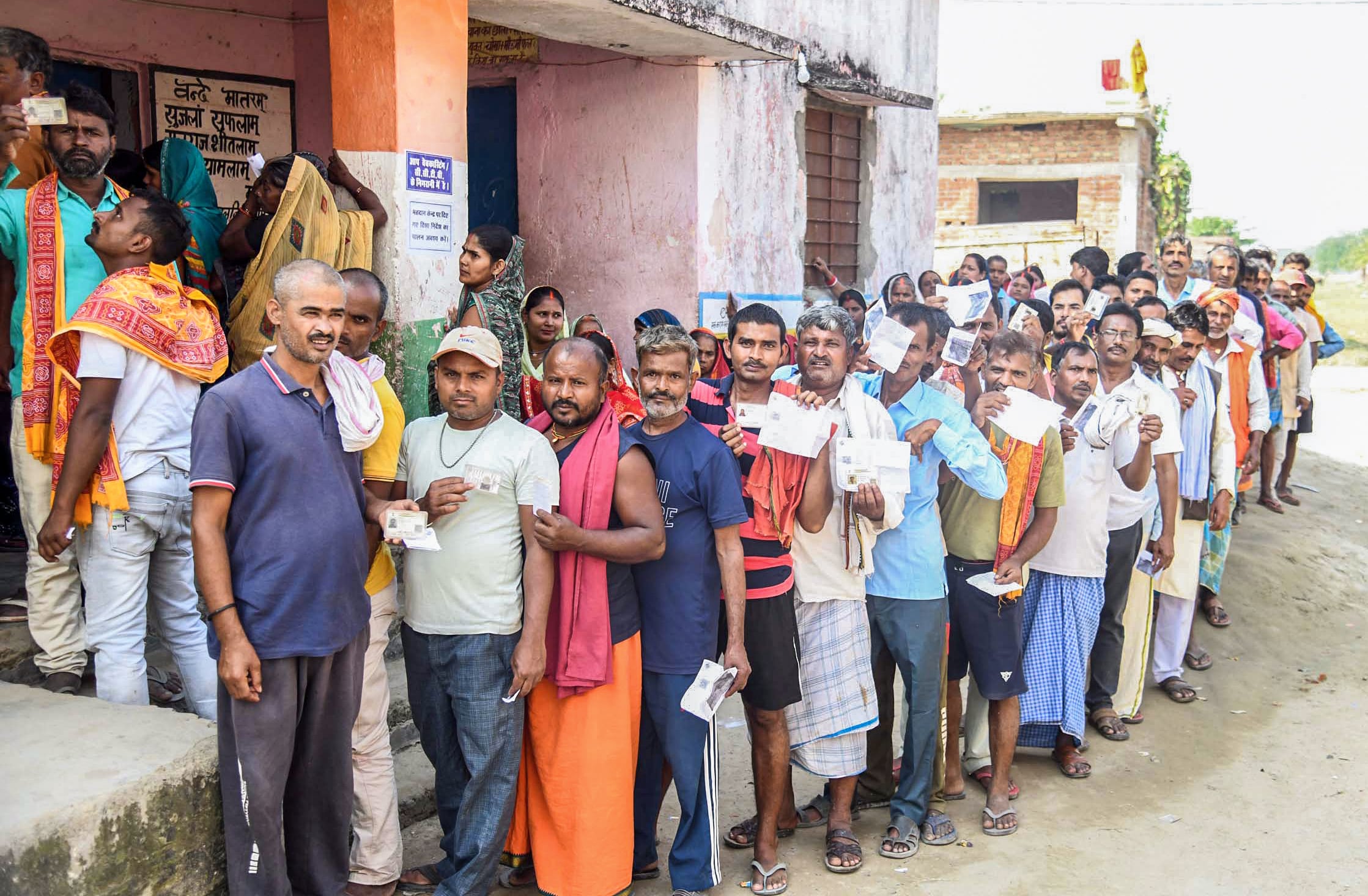
121 seats across 20 districts are heading to the polls in the second phase of the Bihar election
New Delhi:
With campaigning for the second and final phase of Bihar Assembly elections concluding shortly, political parties have established their positions and delivered their messages to voters. The second phase voting will commence on Tuesday, with results to be announced on Friday. During the mandatory 48-hour silence period, political leaders across party lines will strategize to maximize their electoral prospects. Based on first phase feedback, they are refining their approaches to enhance performance in this final electoral contest.
Second Phase By The Numbers
The second phase encompasses 122 constituencies across 20 districts. The first phase saw polling in 121 seats spanning 18 districts. This phase features 1,302 candidates competing, with 136 women candidates (approximately 10 percent). Voting will take place at 45,399 polling centers for 3.70 crore eligible voters—1.95 crore men and 1.74 crore women.
In the 2020 elections, BJP secured 42 of these 122 seats, while RJD won 33, JDU 20, Congress 11, and Left parties 5 seats. During the 2015 elections, when JDU and RJD formed an alliance, BJP's seat count decreased to 36, while the JDU-RJD-Congress coalition captured 80 of these 122 seats.
Regional Dynamics
The second phase constituencies span Bihar's central, western, and northern regions. BJP traditionally holds strength in Tirhut, Saran, and northern Mithilanchal areas, including East Champaran, West Champaran, Sheohar, Sitamarhi and Saran districts. The JDU, though losing ground, maintains significant presence around Bhagalpur. Meanwhile, the Mahagathbandhan coalition dominates the Magadh region covering Gaya, Aurangabad, Nawada, Jehanabad and Arwal districts. Congress lacks substantial influence here and primarily depends on its coalition partners.
The Seemanchal Battleground
Beyond the previously mentioned districts, the politically crucial Seemanchal region votes during this second phase. Twenty-four constituencies across Purnea, Araria, Kishanganj, and Katihar districts represent a critical electoral battleground. These Seemanchal districts contain a significant portion of Bihar's 17 percent Muslim population. Campaign rhetoric has touched on infiltration, extremism, and demographic shifts, yet Muslim voters—who hold significant influence in Seemanchal outcomes—remain reserved in expressing their preferences.
In 2020, BJP won eight Seemanchal seats while alliance partner JDU secured four. Congress claimed five seats, while CPIML and RJD each won one seat. AIMIM surprised with five victories, though four of their MLAs later defected to RJD. This election cycle has witnessed intensive campaigning throughout Seemanchal. From rallies by BJP leaders including Prime Minister Narendra Modi and Home Minister Amit Shah to Congress leader Rahul Gandhi's Voter Adhikar Yatra, all major parties have invested significant resources to appeal to Seemanchal voters.
The Caste Factor
Extremely Backward Classes (EBCs), comprising 36 percent of Bihar's population, will likely play a decisive role in the second phase. Concentrated across central and western districts, EBCs have been Chief Minister Nitish Kumar's reliable support base for two decades. This time, Congress leader Rahul Gandhi has made concerted efforts to appeal to this demographic. The NDA coalition will also target non-Yadav OBCs to counterbalance RJD's loyal Yadav voter base. Additionally, Scheduled Caste voters may prove crucial in determining close contests in the Ara, Buxar, and Rohtas regions.
Source: https://www.ndtv.com/india-news/bihar-election-seemanchal-bihar-polls-phase-2-121-seats-3-7-crore-votes-seemanchal-battle-decoding-bihar-polls-phase-2-9602497