
"Gen Z Is Against Nepotism": BJP's Nishikant Dubey Slams Rahul Gandhi
- Date & Time:
- |
- Views: 56
- |
- From: India News Bull
BJP parliamentarian Nishikant Dubey sparked a social media controversy with a scathing response to Rahul Gandhi's recent comments about Generation Z.
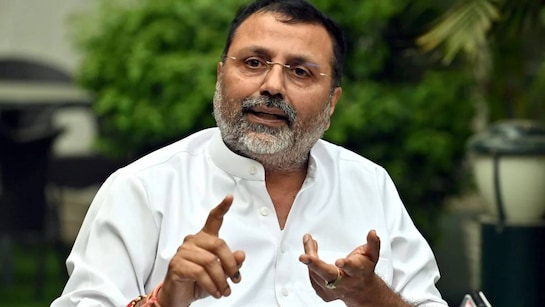
Dubey directly accused the Congress MP of mischaracterizing India's youth values, asserting that Generation Z fundamentally opposes nepotism, corruption, and ideological inconsistency.
New Delhi:
In his pointed social media post, Dubey questioned: "Gen Z is against nepotism and dynastic rule. Why will Gen Z tolerate Rahul ji after Nehru ji, Indira ji, Rajiv ji, Sonia ji? It is against corruption, why won't they drive you away?" This direct challenge targeted the Gandhi-Nehru family's political lineage.
Dubey's comments emerged as a rebuttal to Gandhi's earlier statement that portrayed Generation Z as defenders of constitutional values and democracy.
While Gandhi positioned himself as an ally of youth-driven change, Dubey countered by depicting Generation Z as disenchanted with hereditary politics and seeking clear ideological positions.
Controversially, Dubey added: "He wants to make Bangladesh an Islamic nation and Nepal a Hindu nation, why won't he make India a Hindu nation? You should prepare to leave the country, he is coming." This statement drew significant criticism for its divisive religious undertones and confrontational language.
Political analysts suggest Dubey's message reflects a broader BJP approach to connect with nationalist sentiments among younger voters.
By characterizing Generation Z as ideologically decisive and anti-corruption, Dubey attempts to align youth perspectives with the BJP's governance vision and cultural identity stance.
The exchange ignited intense online discussions, with Dubey receiving both praise for his directness and criticism for alleged fear tactics.
Hashtags including #GenZAgainstDynasty and #YouthForChange gained traction, highlighting the emotional impact of the political exchange. Dubey's remarks also emphasize Generation Z's growing influence in India's political sphere.
As digital-first citizens, today's youth aren't merely consuming political content but actively shaping discourse through memes, short videos, and viral commentary.
Whether Dubey's messaging will strengthen support or alienate moderate young voters remains to be seen. However, one reality is evident: the competition for Generation Z's political loyalty is intensifying, with both sides employing increasingly direct rhetoric.