
The Mandal Commission Legacy: How Reservation Policy Transformed India's Social and Political Landscape
- Date & Time:
- |
- Views: 57
- |
- From: India News Bull
In the six weeks following VP Singh's 1990 Independence Day announcement implementing the Mandal Commission recommendations, student-led protests engulfed Delhi's streets.
While Delhi University's North Campus is often remembered as the epicenter of anti-Mandal demonstrations, the most powerful moment emerged from South Campus. On September 19, 1990, Deshbandhu College commerce student Rajiv Goswami set himself ablaze. The following day, newspapers displayed the shocking image of Goswami—a thin young man wearing a white T-shirt with black armbands and headbands—consumed by flames.
This dramatic act triggered similar self-immolation incidents throughout India.
On August 7, 1990, Prime Minister VP Singh declared that Other Backward Classes (OBCs) would receive 27 percent reservation in central government services and public sector units, officially announcing it during his August 15 address.
Based on the Bhupendra Narayan Mandal-led Commission's recommendations, this decision pushed the total reservation quota for OBCs, Scheduled Castes, and Scheduled Tribes to 49 percent.
Though approved by the Union Cabinet, the announcement sparked widespread street protests.
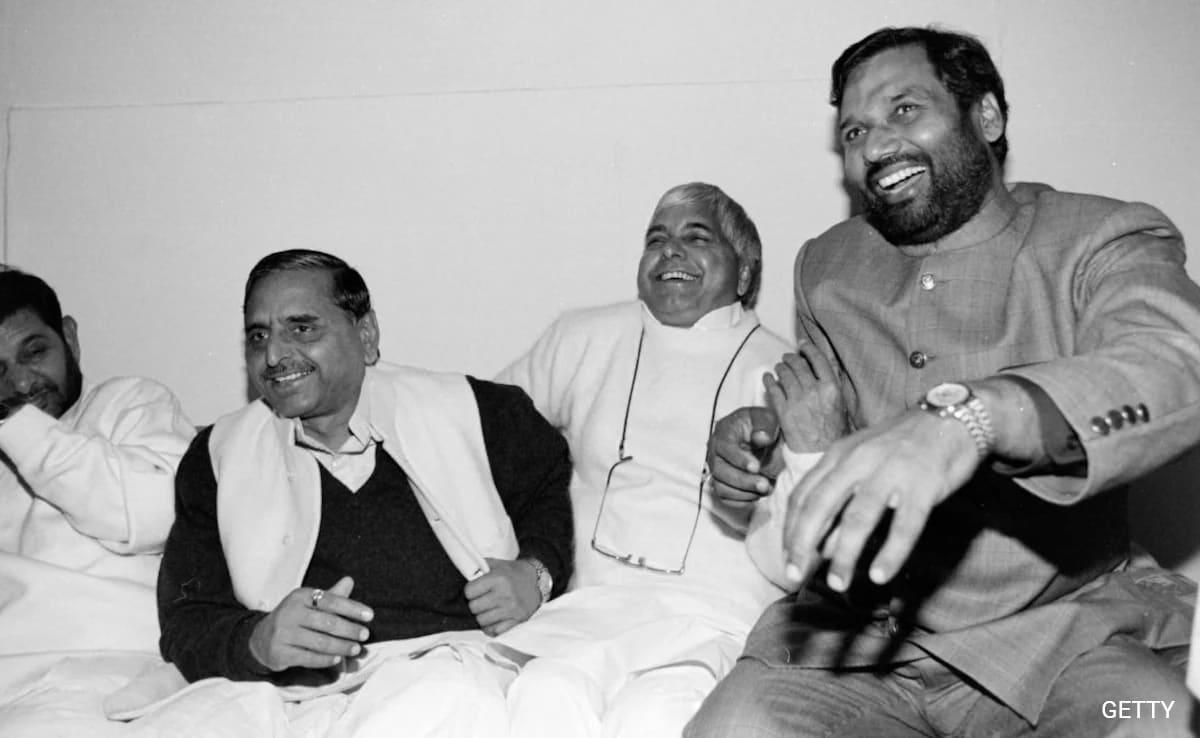
This policy transformed Indian politics, elevating regional parties with backward caste support bases. Leaders like Lalu Prasad Yadav and Mulayam Singh Yadav, disciples of socialist Ram Manohar Lohia, rose to power, while Mayawati emerged as a prominent Dalit leader.
Ram Vilas Paswan, Sharad Yadav, and Nitish Kumar also gained political prominence during this period. Dalits, Adivasis, Muslims, and women formed strategic social alliances.
The reservations provoked significant backlash from upper castes, coinciding with LK Advani's Ram Janmabhoomi movement.
BP Mandal was born on August 25, 1918, in Varanasi to a Yadav landlord family from Bihar. During his school years in Darbhanga, he actively protested against caste discrimination. His political career included service in the Bihar legislature and Lok Sabha with various parties including Congress, Samyukta Socialist Party, and Shoshit Dal.
In 1954, Mandal opposed police brutality against backward caste villagers and later led the Bihar unit of the Samyukta Socialist Party.
After forming Shoshit Dal in 1967, Mandal became Bihar's Chief Minister in 1968, heading the first OBC-dominated ministry. His government lasted merely 47 days, ending with his resignation over the removal of the Aiyar Commission investigating corruption.
In December 1978, Prime Minister Morarji Desai appointed Mandal as chairman of the Backward Classes Commission. The report, submitted on December 31, 1980, recommended reservations for OBCs in government employment and education, highlighting significant gaps in India's social, educational, and economic systems.
BP Mandal died on April 13, 1982, never witnessing the implementation of his recommendations.
When VP Singh implemented the report in 1990, upper-caste students organized protests while OBC students held supportive rallies. The Supreme Court case Indra Sawhney & Others v. Union of India upheld the 27 percent OBC reservation, established a 50 percent ceiling on total quotas, and introduced the "creamy layer" exclusion principle.
VP Singh, who led a minority government supported externally by the BJP and Left Front, resigned in November 1990. His brief 10-month tenure remains historic for defeating Rajiv Gandhi's Congress following the Bofors Scandal, only to collapse under the pressure of anti-Mandal protests.
Source: https://www.ndtv.com/india-news/bihar-mandal-moment-1990s-reservations-politics-how-reservations-changed-bihar-9342415