
Delhi's Dangerous Smog Creates Silent Vitamin D Crisis: Health Experts Warn of "Sunshine Deficiency"
- Date & Time:
- |
- Views: 51
- |
- From: India News Bull
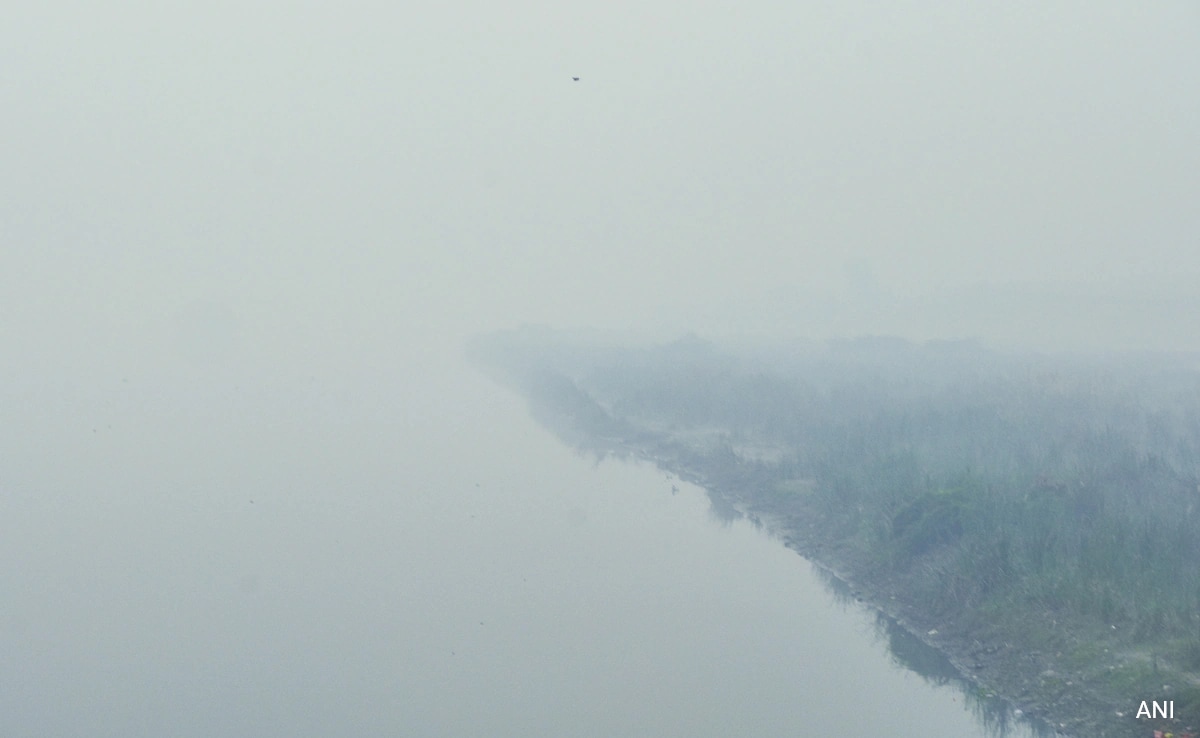
Smog blanketing Delhi-NCR is blocking crucial sunlight, leading to a concerning rise in vitamin D deficiency across the region.
New Delhi:
As Delhi and the National Capital Region face worsening air pollution, health professionals are identifying an emerging crisis - rapidly increasing vitamin D deficiency. The thick smog layer is preventing sunlight penetration, prompting medical experts to recommend vitamin D supplementation for residents.
Delhi's Air Quality Index recently measured at 325, falling into the 'severe' category. Multiple monitoring stations recorded 'very poor' air quality, with PM 2.5 concentrations reaching 350 micrograms per cubic meter in numerous areas - exceeding the World Health Organization's safety threshold by over 30 times.
Dr. Lohit Chauhan, Gastroenterologist at Max Hospital in Dwarka, explained, "Vitamin D production occurs when UVB rays are absorbed by our skin. Air pollution effectively filters these rays while increasing bodily inflammation, both significantly reducing vitamin D synthesis. Paradoxically, despite India being a sun-rich country, we're experiencing 'sunshine deficiency' as smog blocks solar radiation."
Commonly known as the "sunshine vitamin," vitamin D plays vital roles in maintaining bone health, supporting immune function, and regulating calcium and phosphorus levels in the body.
According to Dr. Aprajita Pradhan, Endocrinologist at Vedanta Super-speciality Clinic, air pollution also elevates oxidative stress, increasing requirements for antioxidant vitamins including C, E, and A.
One In Five Indians Deficient
The "Roadmap to Address Vitamin D Deficiency in India" report, jointly published by the Indian Council for Research on International Economic Relations and the Anvka Foundation earlier this year, revealed that approximately 20% of India's population suffers from vitamin D deficiency.
The situation is particularly severe in eastern India, where nearly 39% of residents are affected. High deficiency rates have also been documented among adolescents, newborns, and elderly populations.
Health experts attribute higher urban deficiency rates to limited outdoor activity, high-rise living arrangements, routine sunscreen application, and severe pollution. Research consistently demonstrates that vitamin D deficiency prevalence is significantly higher in urban compared to rural populations.
Dr. Pradhan advised, "To prevent deficiency, especially in polluted urban environments, people should maintain healthy vitamin D levels through sunlight exposure during cleaner seasons and consumption of vitamin D-fortified foods." She noted that common deficiency indicators include fatigue and musculoskeletal pain, with deficient individuals facing elevated fracture risks.
Doctors Recommend Preventive Supplementation
With Delhi-NCR experiencing extended periods of inadequate sunlight, healthcare professionals are recommending preventive supplementation for residents. Adults are typically advised to take approximately 2,000 IU (International Units) of vitamin D daily, while adolescents may need around 1,000 IU and children between 600-1,000 IU.
Dr. Chauhan stated, "Most adults require about 400-800 IU daily, but slightly higher doses may be beneficial in heavily polluted regions. However, excessive or unsupervised supplementation can prove harmful. Very high intake can cause vitamin D toxicity, resulting in hypercalcaemia characterized by elevated blood calcium levels, potentially causing nausea, vomiting, weakness, bone pain, and kidney complications."
Which Natural Foods Contain Vitamin D?
Vitamin D occurs naturally in foods such as fatty fish, cod liver oil, and egg yolks, and is added to fortified products including milk, orange juice, and breakfast cereals.
Last year, the United States Endocrine Society cautioned against routine vitamin D testing and supplementation for healthy adults under 75, citing potential overuse risks.
However, Indian medical professionals emphasize that these recommendations require contextual interpretation. Despite India's sunny climate, the country faces widespread vitamin D deficiency due to smog, indoor-centered lifestyles, and urban pollution.
Healthcare providers recommend combining supplements with simple lifestyle adjustments. These include spending 10-30 minutes in safe sunlight several times weekly when air quality permits and incorporating vitamin D-rich foods into daily diets. They also stress the importance of seeking medical consultation if experiencing fatigue, muscle weakness, or bone pain.
Source: https://www.ndtv.com/india-news/delhis-toxic-air-hides-another-health-crisis-sunshine-vitamin-deficiency-vitamin-d-delhi-pollution-9580487