
AIIMS Bhopal's Rs 10 Lakh Medical Drone Project Stalls: Promise of Rural Healthcare Revolution Remains Unfulfilled
- Date & Time:
- |
- Views: 65
- |
- From: India News Bull
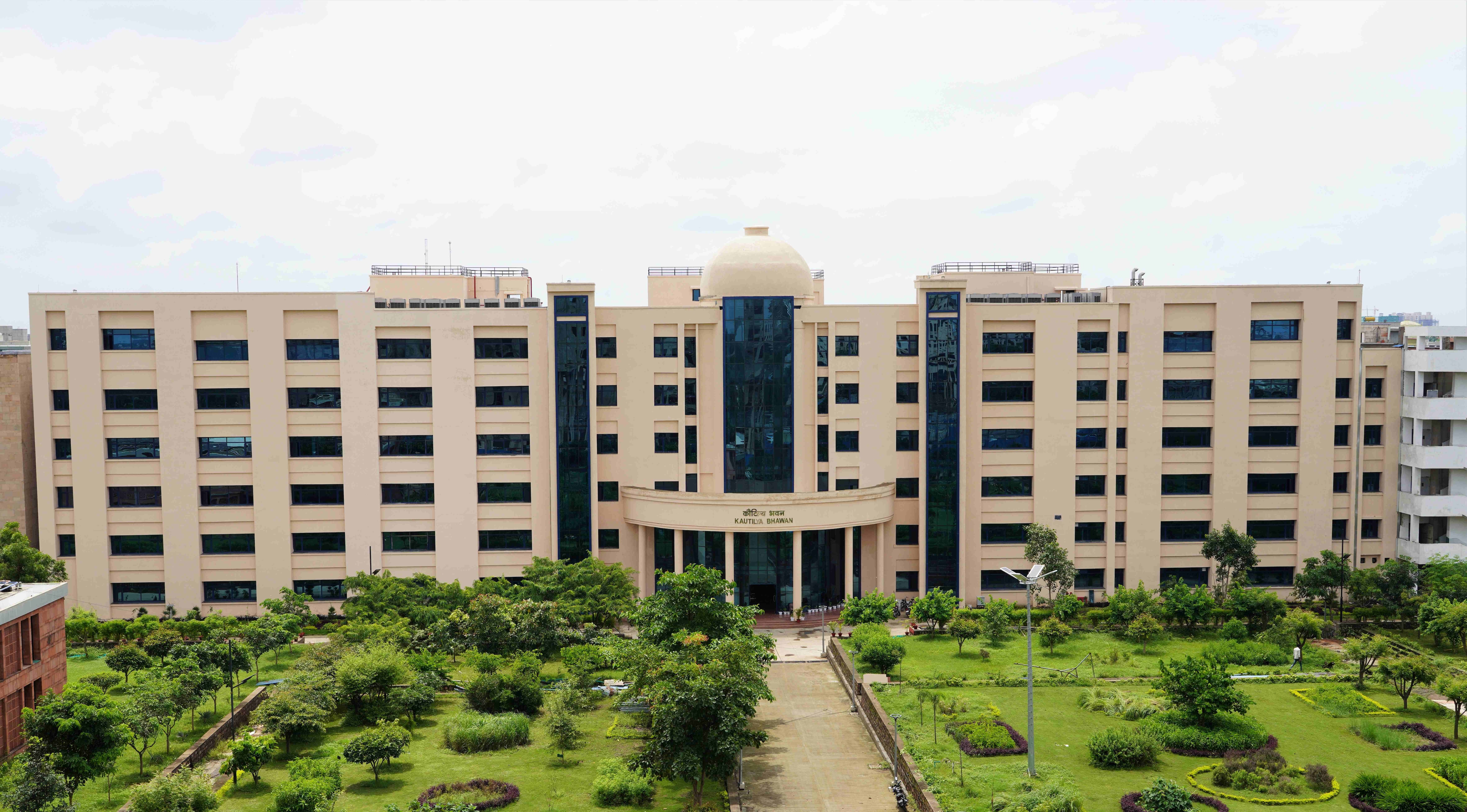
The initiative claimed medicines would be delivered without charge within a radius of 50 to 100 kilometers.
Launched in February 2024 as a technological breakthrough, the drone was designed to deliver critical medications from AIIMS Bhopal to remote villages in minutes. However, twenty months later, this Rs 10 lakh device remains locked away unused, symbolizing unfulfilled promises.
The much-celebrated project initially pledged to deliver medications free of charge within a 50 to 100 kilometer range. During its maiden flight, the drone transported medicines from AIIMS Bhopal to the Primary Health Centre in Gauharganj—approximately 39 kilometers away—in just 20 minutes. It even collected a patient's blood sample on its return journey, demonstrating what should have been the beginning of an innovative approach to healthcare logistics.
Unfortunately, progress halted thereafter. A year later, the drone that was intended to operate five days weekly sits grounded—without an operator, schedule, or explanation.
In 2024, an employee was designated to manage the drone operations. After taking brief leave due to a leg injury, she returned to find the drone secured and the project discontinued.
Despite repeated assertions that this was merely a trial phase, no follow-up tests have been conducted, even after 20 months have elapsed.
Dr. Vikas Gupta, Medical Superintendent at AIIMS Bhopal, acknowledges the project's stagnation but maintains it hasn't been abandoned. "Last year, we conducted a trial of the drone project. Madhya Pradesh desired that such a project be launched at AIIMS Bhopal. The trial was successful. In this, we delivered medicine to a hospital some distance away," Dr. Gupta explained.
He emphasized the trial demonstrated drones' potential to reach inaccessible tribal regions throughout Madhya Pradesh. "It would be better to expand the reach of remote areas where roads are bad and doctors can't reach. If there's an urgent need for medicine or to bring test samples from there, we're considering this. We're working on this project with the idea of increasing the distance," he added.
According to Dr. Gupta, AIIMS has prepared an "Expression of Interest" document to approach advanced drone companies for the next phase. "We'll see who can help us and how much it costs. We'll also communicate this information to the government. This is a large project covering a long distance, so better and more efficient drones will be required. It will definitely take some time, but we're working," he explained.
"During the trial, there was no budget. A company helped, they came forward and conducted the trial. However, if we do commercial work, the drone company has a certain value that must be considered. We had a 50 kilometers travel plan for the trial, and we're trying to increase it to 200 kilometers," he further stated.
For patients and their families, drone-delivered medicine remains an unfulfilled promise. Long queues, travel expenses, and struggles to access timely treatment persist unchanged.
Zahida Khan, a patient's family member, shared, "It would be a great help to us; we would save time and money on travel. We have a patient with us, and it's difficult to transport them. In such a situation, this facility would really help. We've been here for two days. If we can get the medicine there, it will make things easier."
Adarsh Tiwari, another patient's relative, expressed similar frustration: "If we get this facility, it will save a lot of time. We spend two to three hours here, bringing the patient along, and face difficulties. If we get the medicines available here in Sagar, it will save time. We are poor and have to find a way to get here. After arriving, we have to wander around asking people where to go. It's a problem."
Vivek Chaudhary's experience echoes these challenges: "This will help us. We left at 5:00 am, came by train, and have been sitting since morning. The doctor will see us tomorrow and we will have to wait. Getting tests done outside costs more. If we can get the medicines right where we live, it will be convenient."
Once highlighted as a national model for technology-driven healthcare delivery, the AIIMS Bhopal drone now sits grounded. What began as a "revolutionary pilot project" has become another example of promising ideas lost to bureaucratic inaction.
For thousands of patients in Madhya Pradesh's remote areas, it wasn't the drone that failed—it was the system that prevented it from fulfilling its potential.
Source: https://www.ndtv.com/india-news/rs-10-lakh-drone-promised-faster-care-now-collects-dust-at-aiims-bhopal-9579206