
Countdown to 2026: Inside Bastar's Final Battle Against the Last 300 Maoist Insurgents
- Date & Time:
- |
- Views: 73
- |
- From: India News Bull
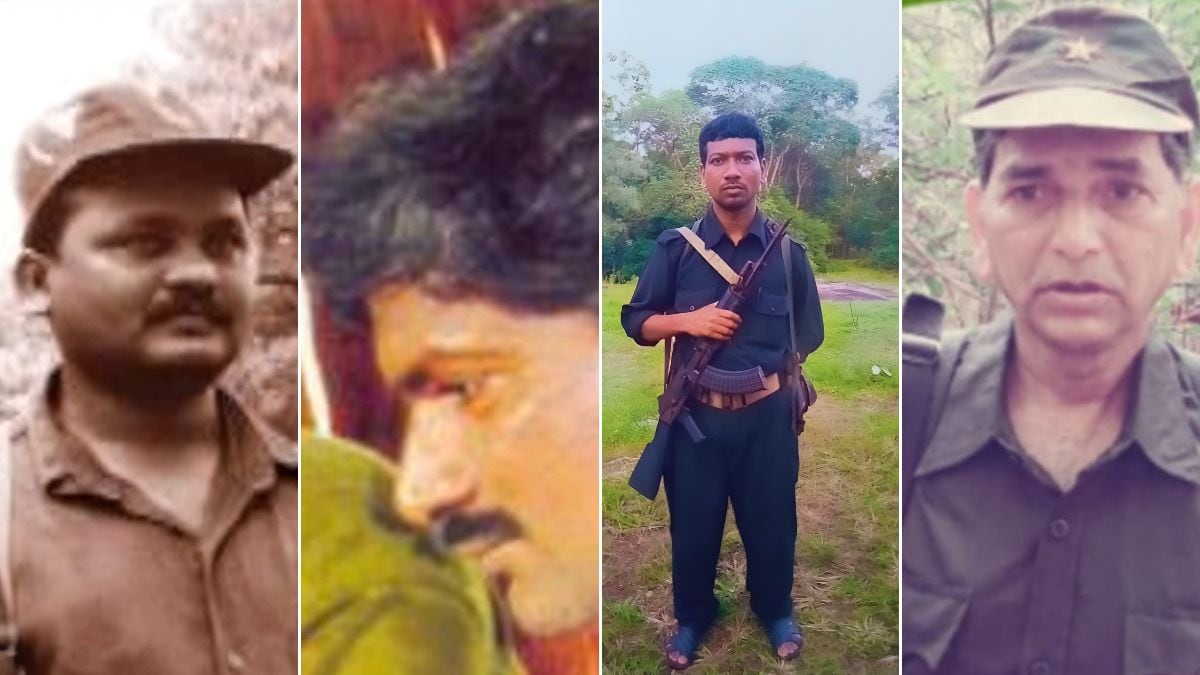
Devji, Paparao, Hidma, and Ganesh Uikey each carry a Rs 1 crore bounty on their heads as Bastar approaches a critical juncture in its anti-Maoist operations.
Union Home Minister Amit Shah has set a definitive deadline of March 31, 2026, to eliminate the Maoist insurgency that has plagued central India for decades. The heart of this conflict remains in Bastar, where violence persists amidst a fading ideological movement.
Intelligence from senior security officials reveals approximately 300 hardened Maoist fighters still operating within south Bastar's dense forests. Four key leaders—Devji, Paparao, Hidma, and Ganesh Uikey—continue to command these forces, each with a Rs 1 crore reward for their capture. Security experts believe the mission cannot be considered successful until these commanders are neutralized.
The geographical distribution of Maoist activity reflects their internal fracturing. The north sub-zonal bureau, which previously controlled East Bastar, Gadchiroli, and Mar divisions, has effectively collapsed, with most members having surrendered or been eliminated.
Meanwhile, the south sub-zonal bureau—encompassing West Bastar, South Bastar, and the challenging Darbha territory—maintains resistance. Here, the four high-value targets and their estimated 300 insurgents have established defensive positions in their final strongholds.
Inspector General Sundarraj P, who leads the Bastar police, has characterized the situation as the "final phase" of the Maoist movement. "Those who remain are the most hardcore elements," he explained.
"Of the approximately 300 active fighters, plus local militia at the grassroots level, we offer a clear choice: surrender and reintegration into mainstream society, or face continued tactical operations. If they resist, there will be consequences," stated IG Sundarraj.
This deadlock occurs against a backdrop of unprecedented surrenders and internal rebellion among Maoist ranks. On October 17, 210 Maoists, including central committee member Rupesh, surrendered 175 weapons to authorities.
This trend has been building steadily. Between 2001 and 2025, 7,826 Maoists have laid down arms, with 1,319 surrendering in 2025 alone—the highest number in two decades. This apparent victory has created profound ideological divisions within the movement.
Shortly after the October surrender event, Maoist commander Abhay distributed literature condemning the defectors as "traitors." Rupesh countered by claiming his surrender was authorized by the party's general secretary Basava Raju as part of broader ceasefire negotiations. What once functioned as a cohesive insurgency has split into competing factions—those seeking peaceful reintegration and those determined to continue armed resistance.
This fragmentation has created complex social dynamics throughout Bastar—former insurgents and active fighters often inhabit the same communities, connected by shared history but divided by mistrust and potential vengeance. Many who have chosen mainstream society fear reprisals from former associates. Police have implemented protection and rehabilitation programs for surrendered fighters, but the threat of retribution remains ever-present in villages where allegiances shift unpredictably.
"Those who have placed their trust in us by returning to civilian life are now our responsibility," emphasized IG Sundarraj. "We are committed to ensuring their security and supporting their transition to normal lives."
As Chhattisgarh commemorates its 25th year of statehood, the toll of this protracted conflict is devastating. Over a quarter century, the state has witnessed 3,404 armed confrontations resulting in 1,541 Maoist casualties, 1,315 security personnel killed, and 1,817 civilian deaths. Each statistic represents destroyed families and communities—evidence that this conflict has consumed not just combatants but generations of ordinary citizens.
The 2026 mission appears increasingly achievable as the Maoist network contracts, its leadership structure fragments, and its ideological appeal wanes through exhaustion and disillusionment. However, the ultimate cost of victory will be measured not merely in statistical data but in restored trust, reconciliation efforts, and the rebuilding of communities scarred by decades of violence.
Source: https://www.ndtv.com/india-news/maoist-insurgency-in-bastar-faces-final-phase-amidst-surrenders-9538350