
Air India Express Accelerates Fleet Expansion with 20-24 New Aircraft in 2026: Transforming India's Aviation Landscape
- Date & Time:
- |
- Views: 43
- |
- From: India News Bull
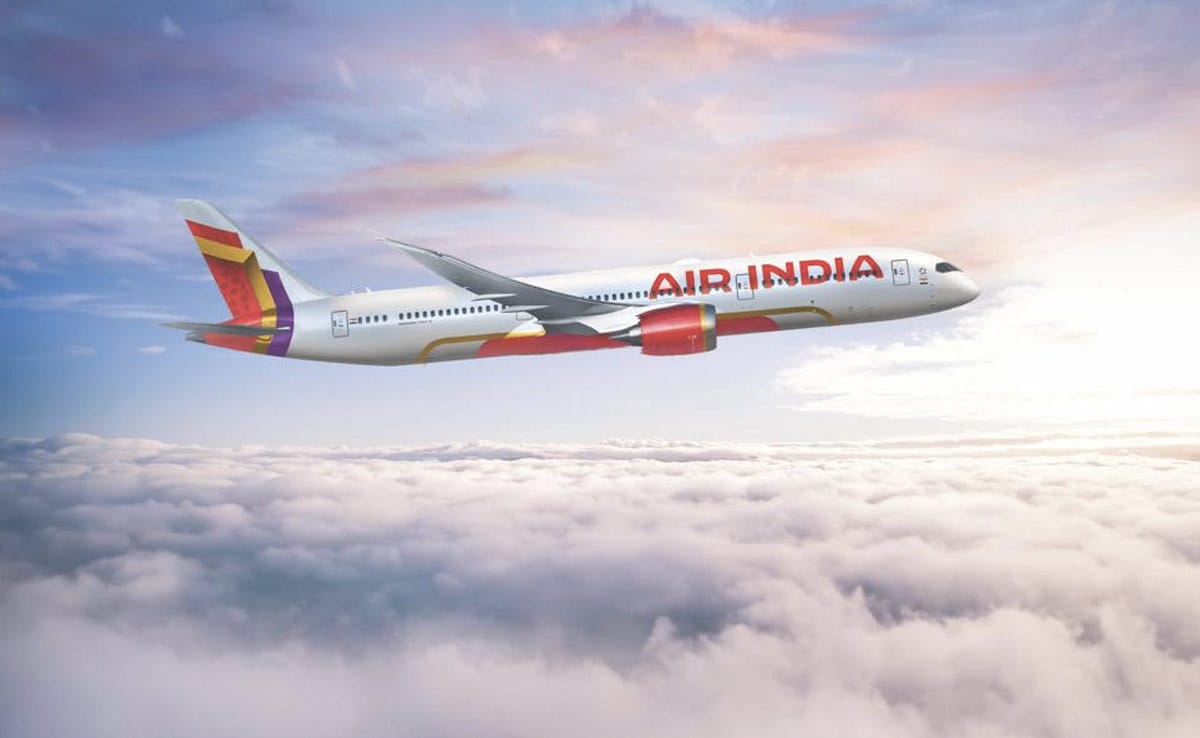
Air India Express received its first B737-Max aircraft in 2023, marking the beginning of its fleet modernization program.
The low-cost subsidiary of Air India plans to incorporate 20 to 24 additional aircraft into its fleet during the next calendar year, according to senior airline executive Aloke Singh during a Tuesday event in Mumbai.
Currently, the combined fleet of Air India and Air India Express consists of 282 aircraft. Of these, Air India Express operates 110 planes, including Airbus 320/321, Boeing 737, and 737 MAX models.
Singh emphasized that the delivery timeline will depend on supply chain conditions and production progress at Boeing's manufacturing facilities.
The airline expects to complete retrofitting all 50 white-tail Boeing 737-8 aircraft into single-economy-class configurations by mid-next year. These specialized aircraft, originally manufactured for other airlines but subsequently available for purchase, form part of the massive 470-aircraft order placed by the Air India Group with Boeing and Airbus.
Air India Express anticipates receiving its entire order of 190 B737 Max aircraft by 2030, as part of the group's extensive fleet renewal strategy.
At Mumbai International Airport, the airline unveiled its newly designed cabin interiors featuring enhanced passenger amenities. The refreshed Boeing 737-8 cabins offer ergonomically designed synthetic leather seats with improved padding, thicker armrests, and additional legroom. Every seat includes USB charging ports, while the cabins feature new carpeting and advanced Boeing Sky Interior lighting.
The aircraft will also provide hot "Gourmair" meals kept warm in onboard ovens, elevating the in-flight dining experience.
Singh noted that aircraft capacity remains flexible between Air India and Air India Express, with resources allocated based on market trends and business model performance. Currently, narrow-body capacity on domestic and short-haul international routes is divided approximately equally between the two airlines.
Air India Express is focusing on strengthening its domestic market presence, which is expected to grow more rapidly than its international network. Two years ago, about 60% of the airline's network served short-haul international routes with 40% covering domestic destinations. Today, this ratio has shifted to approximately 50-50.
Looking forward, Singh indicated that Air India Express will continue prioritizing domestic expansion. Their strategy emphasizes "depth before spread," aiming to establish a meaningful presence on city pairs with a target of securing at least one-third market share.
The airline primarily connects metros to tier 2 and tier 3 cities, which constitutes about 80% of its domestic capacity. This segment represents the largest and fastest-growing portion of India's domestic air travel market.
While Air India focuses on metro routes, business traffic corridors, and long-haul international destinations, Air India Express targets leisure markets, visiting friends and relatives (VFR) traffic, small and medium enterprise travelers, and value-conscious passengers, particularly on metro to non-metro routes and short-haul regional international destinations.
Currently, the Air India group commands approximately 30% market share in India, with Air India Express contributing 11-12% of that total. However, Singh clarified that market share isn't the airline's primary focus, as it depends on capacity deployment across the industry.
Given the characteristics of India's domestic and short-haul international markets, which favor value-oriented services, Singh suggested that the majority of the group's narrow-body capacity will likely operate under Air India Express's low-cost model going forward.
Source: https://www.ndtv.com/india-news/in-major-fleet-expansion-air-india-express-to-add-20-24-aircraft-in-2026-9533727