
Senior Maoist Leaders Surrender: Major Blow to Left-Wing Extremism in Telangana
- Date & Time:
- |
- Views: 54
- |
- From: India News Bull
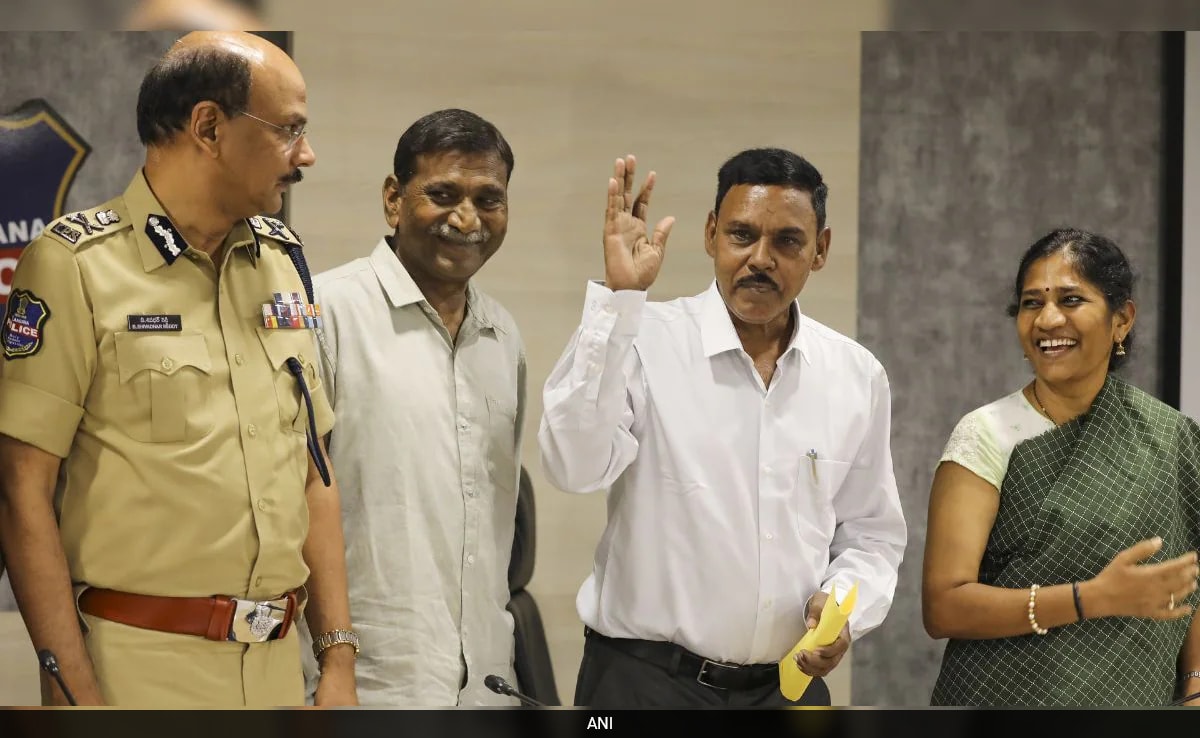
Pulluri Prasad Rao, known as Chandranna and Somanna, alongside Bandi Prakash, alias Prabhath, recently surrendered to authorities in Hyderabad.
The surrender of these two high-ranking CPI (Maoist) members represents a major achievement for security forces and inflicts a significant ideological and structural blow to Left-Wing Extremist operations. Security sources indicate this development substantially weakens both the command hierarchy and ideological foundation of the organization.
Both surrendered individuals were veteran revolutionaries with extensive experience—Chandranna had dedicated 45 years to the movement while Prakash had served for 42 years.
Chandranna held the prestigious position of Central Committee Member and was considered a high-value target, reportedly carrying a substantial bounty. As a senior leader, he possessed specialized expertise in coordinating operations across multiple states, weapons procurement, and managing the movement's political and financial affairs. His departure creates a critical leadership vacuum at the organization's highest level.
Bandi Prakash, as a State Committee Member, played an instrumental role in developing ground-level strategy and recruitment initiatives in his operational region.
These surrenders continue a growing trend of high-ranking Maoists abandoning armed struggle, often citing disillusionment with the movement or responding positively to government rehabilitation programs. This pattern increasingly fractures the movement's ideological core, according to security sources.
Senior Maoist leaders possess invaluable institutional memory, organizational knowledge, and intimate familiarity with jungle terrain and hideout locations. When they surrender, they frequently become strategic assets to security agencies, helping dismantle infrastructure, locate weapons caches, and track other key operatives.
The public surrender of prominent Maoist leaders also serves as powerful deterrent imagery, discouraging new recruitment particularly among tribal youth while simultaneously demoralizing existing cadres.
These surrenders occur against the backdrop of a sustained, intensive campaign by the Union Home Ministry and coordinated state police forces targeting Maoist strongholds throughout central and eastern India.
The government has implemented a dual strategy combining aggressive security operations with attractive surrender and rehabilitation policies.
This two-pronged approach has contributed to a notable decrease in LWE-related violence nationwide while encouraging more operatives to reintegrate into mainstream society.
Security analysts suggest that the surrender of such high-profile Maoist leaders demonstrates the effectiveness of this strategy and reinforces the assessment that the Maoist movement in India is entering what may be its final and most vulnerable phase.
Source: https://www.ndtv.com/india-news/chandranna-bandi-prakash-how-surrender-of-key-maoists-can-help-end-left-wing-extremism-in-telangana-9533610